Rocket Learning’s Udaan 2026 Summit in Delhi Targets Early Education
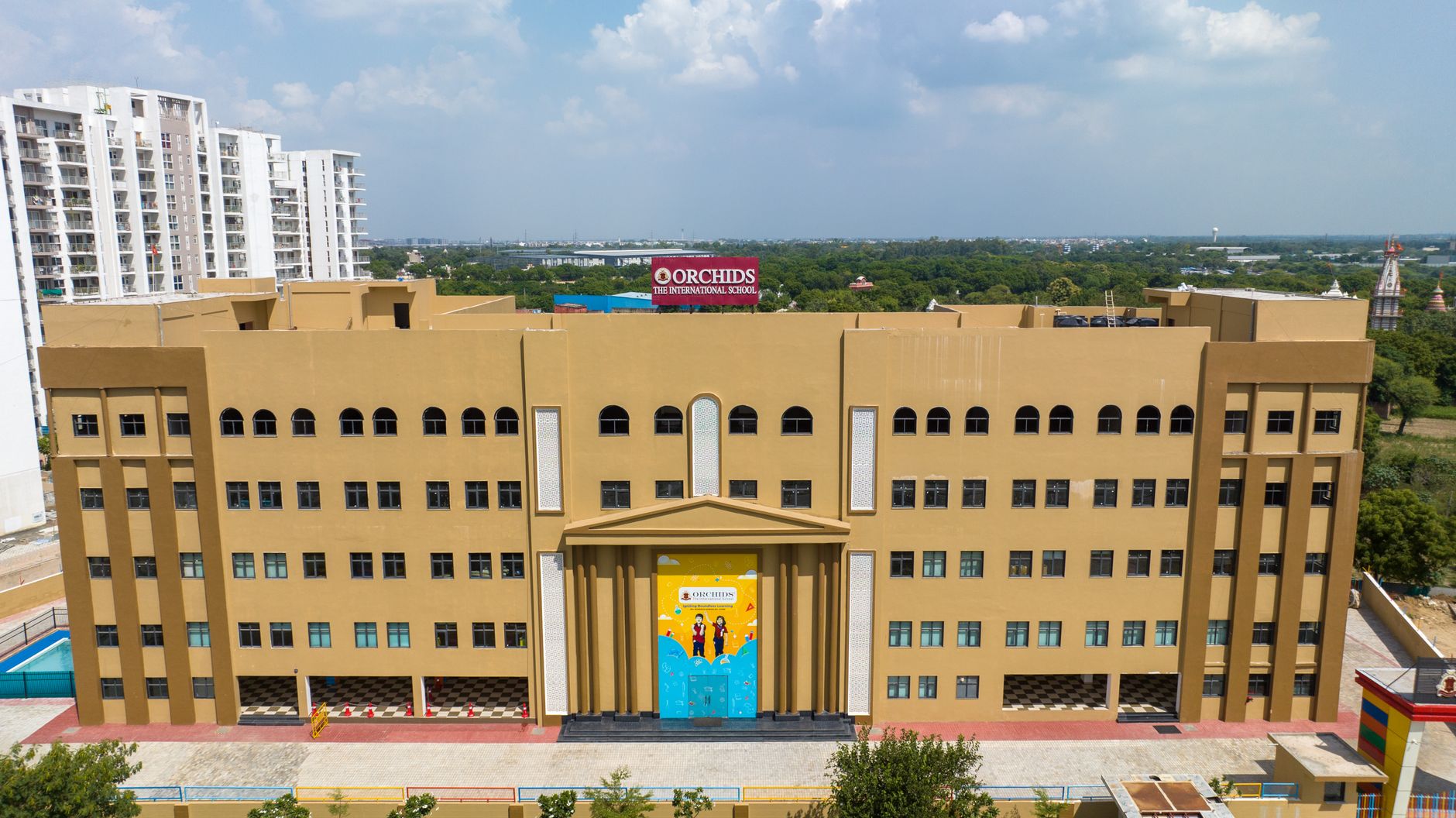
- Rocket Learning hosted Udaan 2026 in New Delhi on October 8, 2026.
- The summit aims to shift India's early childhood development from 'surviving to thriving'.
- Over 3.4 million Indian children suffer from uncorrected refractive errors, impacting education.
- The event focused on the intersection of technology, investment, and policy.
- Dil Dastaan, a related initiative, continues the dialogue on October 9, 2026.
New Delhi became the epicenter of a critical dialogue on early childhood care and education this Thursday, as Rocket Learning hosted Udaan 2026. The summit, billed as India's largest gathering of its kind, brought together a diverse group of government officials, academic researchers, technology experts, and civil society advocates. The primary objective of the day-long session was to redefine the approach to early childhood development, moving the national focus from basic survival to active thriving.
Organizers confirmed that the event served as a platform to bridge the gap between high-level policy discussions and ground-level implementation. Participants scrutinized the current state of early learning, identifying the specific technological and financial barriers that keep millions of children from reaching their full potential. The atmosphere at the venue was one of urgency, with speakers emphasizing that the foundational years of a child's life are often the most neglected in national budgetary planning.
- The event took place on October 8, 2026, in New Delhi.
- Attendees included representatives from the government, philanthropic sectors, and academia.
- The central theme focused on the transition from 'surviving to thriving'.
The discussions moved beyond abstract theories. Instead, experts focused on the practical delivery of education, the necessity of evidence-based policy, and the role of private investment in public infrastructure. Sources close to the organizers said that the goal was to create a roadmap that could be scaled across India's diverse states, ensuring that rural and urban children alike benefit from modernized learning tools. This gathering marks a significant moment for the education sector, as stakeholders look for ways to integrate technology into the existing Anganwadi framework without losing the human connection that defines early learning.
Addressing the 3.4 Million Children Facing Visual Impairment
While the summit addressed broad educational goals, specific health barriers to learning took center stage during the sessions. Industry reports shared at the event highlighted that more than 3.4 million children in India suffer from uncorrected refractive errors. This staggering number represents a massive hurdle for the country's education system, as poor vision directly correlates with lower academic performance and diminished long-term earning potential.
Experts pointed out that the current screening mechanisms, while robust in intent, often fail to reach the most remote districts. The discussion emphasized that without clear vision, even the most advanced digital learning tools become ineffective. Officials confirmed that existing programs like the National Program for Control of Blindness and Visual Impairment, alongside the Rashtriya Bal Swasthya Karyakram, are working to bridge this gap, but the scale of the problem requires a more aggressive, tech-enabled intervention.
- 3.4 million children in India are currently living with uncorrected refractive errors.
- Visual impairment is cited as a major barrier to future earning ability.
- Existing government programs are being evaluated for better integration with school-based screening.
The link between eye health and education is not merely a clinical issue; it is an economic one. Participants argued that if India intends to leverage its demographic dividend, it must start by ensuring that every child can see the blackboard. The dialogue at Udaan 2026 underscored the need for better coordination between health departments and education ministries. By streamlining the distribution of spectacles and conducting regular eye camps in schools, the government could potentially see a spike in literacy rates and student engagement within a single academic cycle. The consensus among the experts was that education cannot be siloed from health, and early intervention remains the most cost-effective strategy for national development.
Technology and Investment: Scaling Early Childhood Care Beyond the Classroom
The conversation at Udaan 2026 shifted toward the role of technology in scaling early childhood education. It is no longer enough to build physical infrastructure; the quality of content and the delivery mechanism are what define success in 2026. Experts argued that India has the ideas and the raw investment capability, but the challenge lies in the deployment phase. The panel discussions focused on how digital platforms can support Anganwadi workers—the backbone of India's rural childcare system—by providing them with real-time data and pedagogical support.
Technology, when applied correctly, acts as a force multiplier. Sources at the event noted that digital training modules have already shown promise in improving the engagement levels of children aged three to six. However, the attendees warned against a 'one-size-fits-all' approach. They argued that technology must be localized, respecting the linguistic diversity of India's states. A digital tool that works in a classroom in Delhi might require significant adaptation before it can be effectively used in the rural hinterlands of Odisha or Bihar.
- Digital training modules are currently being tested to support frontline educators.
- Localized content is deemed essential for the success of digital adoption.
- Investment strategies are shifting toward long-term outcomes rather than short-term infrastructure projects.
The financial aspect of this transformation was also a major point of debate. Philanthropic organizations and private investors expressed a willingness to pour more capital into education, but only if there is a clear, data-backed evidence trail. The emphasis on 'evidence-based' delivery suggests a move toward accountability. Investors are no longer satisfied with funding general awareness campaigns; they want to see measurable gains in cognitive development and school readiness among the children they support. This shift in mindset is forcing the education sector to become more data-driven and transparent, which in the long run, will benefit the children who are the ultimate recipients of these services.
Why the Shift from Survival to Thriving Demands a Policy Overhaul
The core thesis of Udaan 2026 is that India has spent decades focusing on 'survival'—ensuring children are fed and have a roof over their heads—but the time has come to pivot toward 'thriving'. Thriving implies cognitive stimulation, emotional support, and a curriculum that prepares a child for the complexities of the 21st century. This shift requires a fundamental change in how the government views the first six years of a child's life. Currently, the budget allocation for early childhood care is often fragmented across different ministries, leading to inefficiencies.
Analysts at the summit suggested that a more integrated approach, where health, nutrition, and education are managed under a unified framework, would yield better results. This is not just about changing the administrative structure; it is about changing the expectations of parents and communities. When parents see the value of early stimulation, they become partners in the process, rather than passive recipients of government services. The discussions highlighted the need for a national campaign that educates parents on the importance of brain development in the early years.
- Early childhood education is currently managed by fragmented ministerial frameworks.
- A unified policy approach is recommended to improve efficiency and outcomes.
- Parental engagement is identified as a key driver for long-term success.
The policy implications are vast. If the government decides to prioritize 'thriving', it would mean reallocating funds toward teacher training, high-quality play-based learning materials, and robust monitoring systems. This is a tall order, especially given the competing demands on the national treasury. However, the participants at Udaan 2026 made a compelling case: the cost of inaction is far higher. An uneducated or underdeveloped generation will cost the economy billions in lost productivity and social welfare expenses over the next two decades. The political will to make this transition is growing, and the success of this summit indicates that there is a strong appetite for reform at the highest levels.
The Road Ahead: Integrating Tech and Community for India's Youngest
As the summit concluded, the focus turned toward the future. The next phase of development will require a seamless integration of technology and community-led initiatives. This is where the 'Dil Dastaan' initiative, which follows the summit on October 9, 2026, finds its relevance. By creating spaces for people to share their stories and experiences, the organizers are trying to build a narrative around the importance of early childhood care. It is an acknowledgment that policy alone cannot change the culture; the community must be convinced of the necessity of these changes.
The road ahead involves pilots that combine digital literacy for teachers with community-led monitoring of student progress. These pilots will be critical in identifying what works and what needs to be scrapped. Sources confirmed that several state governments have already expressed interest in adopting the frameworks discussed at Udaan 2026. If these initiatives succeed, they could set a new benchmark for early childhood care in the developing world. The focus for the next 12 months will be on scaling these successful models and ensuring that the data collected is used to refine the delivery mechanism.
- The 'Dil Dastaan' event continues the conversation on October 9, 2026.
- State governments are showing interest in adopting the summit's proposed frameworks.
- The next year will focus on scaling pilot projects and refining data-driven delivery.
Ultimately, the success of these efforts will be measured by the children themselves. If the initiatives discussed in Delhi lead to better-prepared students entering primary school, the summit will have achieved its goal. The challenge remains in the execution—translating the high-level discussions into tangible results in thousands of villages and urban clusters. The energy at Udaan 2026 suggests that the stakeholders are ready for this challenge, but the true test will be the sustained commitment of the government and the private sector to see these projects through to completion over the coming years.