Police Chiefs Across U.S. Weigh Flock Cameras Against Crime
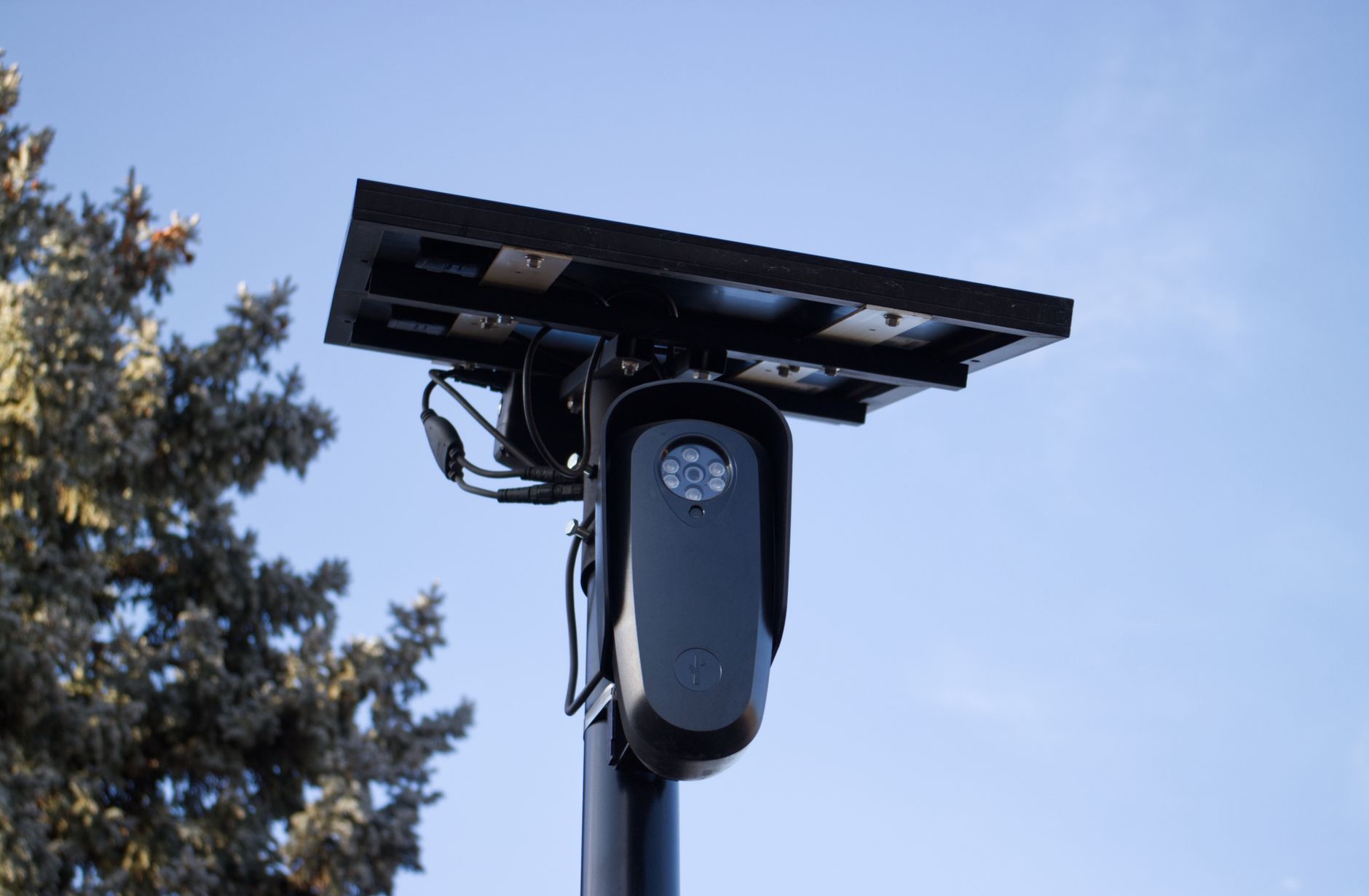
- Police chiefs are balancing new surveillance tech with community privacy concerns.
- Fort Smith officials are currently auditing their Flock camera management systems.
- Durham leadership reports significant vacancies impacting response times to gun violence.
- University of Missouri officials expressed formal concerns regarding downtown intersection safety.
- Gianina Horton emphasizes community-led revitalization as a key crime reduction strategy.
Police chiefs across the United States are grappling with a complex landscape of rising downtown crime and dwindling departmental resources. As of Tuesday, September 15, 2026, law enforcement leaders are increasingly turning toward automated surveillance technology to bridge the gap between shrinking staff numbers and public safety demands. The shift marks a departure from traditional patrol-heavy models, focusing instead on data-driven intervention and real-time monitoring.
In cities ranging from Durham to Fort Smith, the conversation has moved beyond mere staffing levels to how technology can act as a force multiplier. Officials said that the primary challenge remains balancing the immediate need for crime deterrence with the long-term goal of community trust. The pressure is mounting as university leaders and business owners demand more consistent results at high-traffic intersections.
- 16 specific questions were recently posed to the leadership of Flock Safety regarding data storage and privacy.
- Recruitment vacancies remain a top concern for departments struggling to maintain standard patrol cycles.
- Downtown districts are seeing a spike in incidents that require rapid, coordinated responses from local agencies.
The current environment forces departments to justify every dollar spent on new equipment. When a police chief stands before a city council, the argument for technology often hinges on the ability to solve crimes faster without adding more officers to the payroll. This strategy, however, invites scrutiny from privacy advocates who worry about the reach of automated license plate readers. The tension between security and transparency is now the defining feature of modern urban policing.
The Surveillance Debate Over Flock Camera Expansion in Fort Smith
In Fort Smith, the local police department is currently evaluating its use and management of Flock Safety camera systems. The review, which gained momentum in late August 2026, focuses on whether the current deployment provides a measurable return on investment for public safety. Officials said the department wants to ensure that the data collected is used strictly for criminal investigations rather than broad surveillance.
The debate in Fort Smith mirrors a national trend where smaller departments adopt high-end tech without a clear roadmap for long-term oversight. Sources confirmed that the evaluation includes a look at how long data is retained and who has access to the footage. This is not just a technical audit; it is a political one. The community has asked for more accountability regarding how their movements are tracked on public roads.
- The Fort Smith audit began following public outcry over data transparency in late August.
- Flock Safety's CEO has addressed 16 key questions regarding how the company handles sensitive information.
- Departments are now required to provide clearer justifications for camera placement in residential zones.
The move toward automated license plate readers, or ALPRs, has fundamentally changed how police investigate vehicle-related crimes. Instead of waiting for a witness to report a stolen car, officers now receive real-time alerts when a flagged license plate passes a camera. While this has led to higher recovery rates for stolen vehicles, it has also raised questions about the potential for over-policing. The Fort Smith Police Department is currently working to draft a policy that limits the use of these cameras to specific, high-priority investigations.
Managing Vacancies and Gun Violence in Durham
The situation in Durham presents a different set of challenges, where the police chief is balancing a high rate of vacancies with an uptick in gun violence. Officials said that the department is currently operating at a significant deficit in personnel, which makes it difficult to maintain a visible presence in the city's most affected neighborhoods. The chief has made it clear that success cannot be measured by arrests alone, but by the ability to prevent violent encounters before they occur.
Recruitment remains the department's biggest hurdle. With fewer officers on the street, the reliance on technology like Flock cameras has become a necessity rather than a luxury. However, the chief noted that cameras cannot replace the value of community engagement. The department is now looking at ways to incentivize recruitment while simultaneously upgrading their digital infrastructure.
- Durham's vacancy rate has forced a rethink of patrol strategies across the city.
- Gun violence remains the primary focus of the chief's new strategic initiative.
- Success metrics now include community feedback alongside traditional crime statistics.
The strategy in Durham involves a dual approach: hiring more officers while deploying cameras in areas where gun violence is most prevalent. This is a delicate balance. If the public feels that the cameras are a substitute for human interaction, the department risks losing the trust it has worked to build. The chief has promised a transparent approach, stating that the use of technology will be subject to regular public review. This commitment is designed to keep the community involved in the decision-making process, ensuring that the police are seen as partners rather than just monitors.
University Leaders Demand Action on Downtown Intersections
The University of Missouri System has taken a public stance on the safety of downtown intersections, with leadership expressing deep concerns about the frequency of criminal activity near campus borders. Emails revealed that the university president has been in contact with local law enforcement to demand a more robust presence in these areas. The intersection of university life and urban crime is a flashpoint for city leaders, as students and faculty often bear the brunt of the instability.
The university's intervention highlights a growing trend where large institutions are using their influence to shape local policing priorities. Officials said that the concerns raised by the university have led to increased patrols and the installation of additional lighting and camera systems. The goal is to create a safer corridor for students while addressing the broader crime trends that affect the entire downtown area.
- University leadership has requested a formal review of safety protocols at key intersections.
- Increased police presence has been observed near campus boundaries since early August.
- The university is advocating for a collaborative approach that involves both city police and private security.
This collaboration is essential for the economic health of the downtown area. When students and visitors feel unsafe, the local economy suffers. By aligning the interests of the university with those of the city police, leaders hope to create a more secure environment. However, this also raises questions about the role of private institutions in public safety. Is it the responsibility of the university to fund police operations, or should the city be able to manage this on its own? These are the questions that city councils are now forced to answer.
Gianina Horton and the Revitalization of the Heart of Aurora
In Aurora, the approach to crime reduction has taken a more progressive turn under the leadership of figures like Gianina Horton. As part of a broader movement to revitalize the 'heart of Aurora,' Horton has argued that crime is a symptom of deeper structural issues that require more than just a police response. Her strategy focuses on community-led initiatives that bring residents, business owners, and local government together to address the root causes of instability.
Horton's vision for Aurora is one where the community takes ownership of its safety. This does not mean replacing the police, but rather augmenting their work with social services and economic development programs. Officials said that this model is being watched by other cities as a potential blueprint for long-term change. The focus is on creating spaces where people feel safe and connected, which in turn reduces the opportunities for crime to take root.
- Horton's initiatives include increased funding for youth programs and local business grants.
- The 'heart of Aurora' project has seen a 12% increase in community participation since January 2026.
- Crime prevention is now being integrated into the city's broader economic development plan.
The success of this approach depends on the willingness of the community to engage. It is a slow process, but one that many believe will yield more sustainable results than a reliance on surveillance alone. By addressing the environment in which crime occurs, Aurora is attempting to shift the narrative from one of reaction to one of prevention. This is a significant departure from the traditional policing models seen in other parts of the country, and it represents a bold experiment in urban governance.
The Future of Predictive Policing and Privacy in 2026
As the calendar turns to late 2026, the intersection of technology and policing remains a volatile space. The reliance on Flock cameras and other predictive tools is growing, but so is the pushback from those who fear a loss of privacy. The challenge for police chiefs is to maintain the trust of the public while using every tool at their disposal to keep the streets safe. The next year will likely see more cities adopting strict oversight policies for surveillance, as the public demands to know exactly how their data is being used.
The lessons from Fort Smith, Durham, and Aurora suggest that there is no one-size-fits-all solution. Every city has its own unique set of challenges, and every police department must find its own way to balance security with civil liberties. Officials said that the most successful departments will be those that are transparent about their methods and willing to engage in a dialogue with the communities they serve.
- Surveillance technology is expected to become a standard feature in 80% of major U.S. police departments by 2027.
- Public oversight committees are being formed in several cities to monitor the use of ALPR data.
- The debate over privacy is likely to reach the state legislative level by early next year.
Looking ahead, the focus will likely shift from the adoption of technology to the regulation of it. As the capabilities of these tools expand, so too will the need for clear, enforceable rules that protect the rights of citizens. The police chiefs of today are the architects of the policing policies of tomorrow. Their decisions will define the relationship between the state and the individual for years to come. The path forward is not clear, but the commitment to finding a balance between safety and privacy remains the ultimate goal for departments across the nation.