Gut Microbe Bacteroides uniformis Cuts Cholesterol by 33% in Study
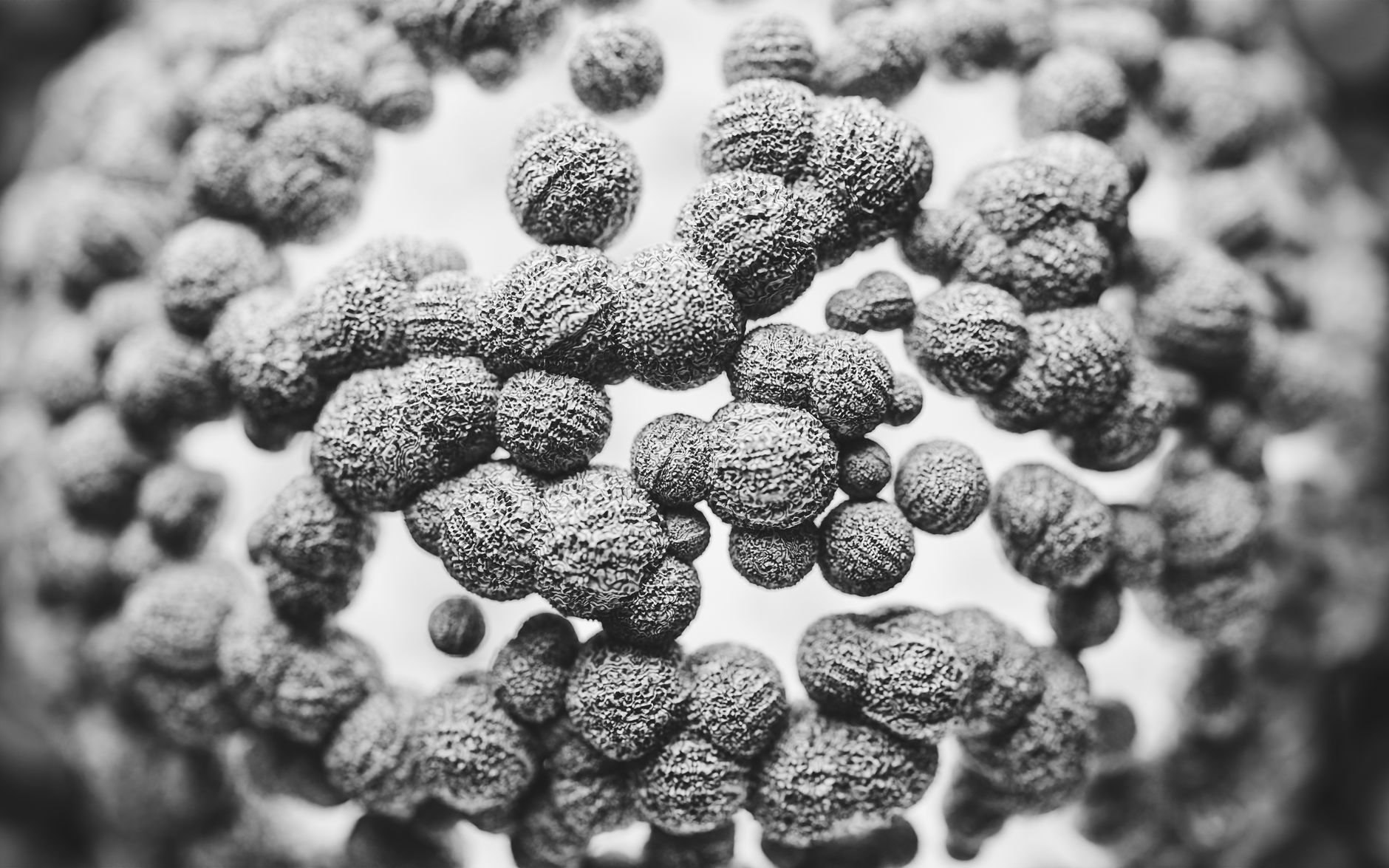
- Bacteroides uniformis produces the molecule pentadecanoic acid (C15:0).
- Study shows 33% reduction in arterial plaque in mice subjects.
- The molecule inhibits liver enzymes, mimicking the effect of common statins.
- Research published in Nature highlights the link between gut health and heart disease.
- Clinical trials on humans are the next hurdle for researchers.
Scientists have identified a common gut bacterium, Bacteroides uniformis, that produces a molecule capable of significantly reducing cholesterol and arterial plaque. This finding, published in the journal Nature on Thursday, suggests that the secret to better heart health may reside in the human microbiome rather than a pharmacy shelf. Researchers observed that the bacterium generates a molecule known as pentadecanoic acid, or C15:0, which actively interferes with the liver's cholesterol production process.
For millions of Indians struggling with high cholesterol and cardiovascular risks, this discovery marks a potential shift in how doctors approach preventative heart care. Currently, managing LDL (low-density lipoprotein) cholesterol often involves daily pills, such as statins, which can carry side effects for some patients. This new research indicates that the body might already possess a natural mechanism to regulate lipids if the right bacteria are present in the gut.
Data from the study showed that mice fed a high-fat diet exhibited a 33% reduction in arterial plaque after the introduction of the C15:0 molecule. This is a significant margin that has caught the attention of cardiologists globally. While the trial was conducted in a laboratory setting using mice, the metabolic pathways identified are similar to those found in humans. Experts noted that this provides a solid foundation for future human clinical trials.
The implications for India are particularly relevant given the rising rates of metabolic syndrome and heart disease in urban centers like Delhi, Mumbai, and Bengaluru. With sedentary lifestyles and dietary shifts, the need for non-invasive treatments has never been higher. If these findings hold true in human trials, it could eventually lead to probiotic-based therapies that complement or even reduce the reliance on traditional medication.
However, researchers cautioned that a healthy gut is not a substitute for a balanced diet and regular physical activity. The study serves as a reminder that the gut-heart axis is a complex, interconnected system that requires careful maintenance. As the medical community digests these results, the focus now shifts to whether this specific microbe can be safely introduced or boosted in the human digestive tract.
How C15:0 Mimics the Action of Common Statins in the Liver
The mechanism by which C15:0 operates is remarkably similar to the action of statins, the class of drugs most commonly prescribed to lower cholesterol. Statins work by inhibiting an enzyme in the liver that is responsible for the synthesis of cholesterol. The new research found that the C15:0 molecule produced by Bacteroides uniformis achieves a similar result by suppressing that same enzyme.
This is not an entirely new substance, as C15:0 has been studied in various contexts before. However, the discovery that a gut bacterium is the primary source of this molecule in a way that directly impacts liver function is a major step forward. Experts pointed out that understanding the pathway allows for more targeted interventions. Instead of flooding the system with synthetic drugs, scientists might one day be able to modulate the gut microbiome to produce the desired effect naturally.
In India, where the cost of long-term medication can be a burden for many families, the prospect of a biological alternative is promising. A typical month's supply of statins can range from ₹200 to ₹1,500 depending on the brand and dosage, which is roughly $2.40 to $18.00 USD. If a probiotic or a dietary change could achieve similar results, it would represent a significant shift in healthcare economics and patient outcomes.
However, the transition from lab mice to human patients is fraught with challenges. The human gut is a complex ecosystem with trillions of bacteria, and introducing a new strain is not always straightforward. Researchers are now looking at how diet, stress, and existing gut health influence the production of C15:0.
It is important to remember that the liver is a highly sensitive organ. Any intervention that alters its production of cholesterol must be carefully monitored to ensure there are no unintended consequences. The study in Nature provides the roadmap, but the journey to a safe, effective human treatment is just beginning. Medical professionals are advising patients not to stop their current medication based on these early results, as the leap from mouse models to human clinical reality is significant and requires years of rigorous testing.
The Growing Link Between Gut Microbiota and Heart Failure Recovery
The study on Bacteroides uniformis is part of a larger, rapidly expanding body of research that links the gut microbiome to heart health. Recent findings have shown that the depletion of certain beneficial bacteria, such as Bifidobacterium, is often associated with worse outcomes in heart failure patients. This suggests that the gut is not just a digestive organ, but a central hub for immune regulation and metabolic health.
For instance, other research has identified that bacterial signals from the gut can alter immune cells in ways that promote their movement into the heart. This movement can contribute to inflammation, which is a known driver of heart disease. By maintaining a healthy balance of gut microbes, individuals might be able to reduce this systemic inflammation, thereby protecting the heart from damage.
In the context of the Indian population, where chronic intestinal inflammation is often overlooked, these findings are vital. Many Indians suffer from digestive issues that are frequently dismissed as minor inconveniences. However, if these issues are actually precursors to cardiovascular problems, the public health strategy needs to change. Experts noted that the gut-heart connection is likely the next major frontier in cardiology.
The research also accounted for various factors such as diet, age, sex, and body size to ensure the results were not skewed. This level of rigor is necessary because the gut microbiome is highly sensitive to external inputs. What an individual eats in Chennai or Kolkata significantly influences the composition of their gut bacteria. A diet high in fiber, for example, is known to support the growth of beneficial microbes, which in turn produce short-chain fatty acids that are heart-protective.
As we learn more, it becomes clear that the old advice to 'eat your vegetables' has a profound biological basis. The fiber in those vegetables acts as fuel for the very bacteria that may be keeping our arteries clear. This is a simple, actionable step that anyone can take today, regardless of the progress of clinical trials regarding specific microbes.
Navigating the Challenges of Human Clinical Trials
While the results from the Nature study are exciting, the scientific community is maintaining a cautious stance. Mice are excellent models for preliminary research, but their physiology differs from humans in significant ways. The human gut is a far more diverse environment, and the interactions between bacteria and the host are more complex.
One of the primary challenges for researchers will be determining the dosage and delivery method of C15:0. If it is to be used as a treatment, it must be stable, safe, and effective when taken orally. There is also the question of whether the body will adapt to the presence of the molecule over time, potentially reducing its effectiveness.
Furthermore, the regulatory pathway for bringing a 'microbiome-based therapy' to market is different from that of a traditional drug. In India, the Central Drugs Standard Control Organization (CDSCO) would need to oversee extensive clinical trials to ensure safety and efficacy. This process can take years, if not a decade.
Despite these hurdles, the momentum behind microbiome research is undeniable. Investors and pharmaceutical companies are pouring millions into this field, recognizing the potential for a new class of medicine. For the average person, this means that while a 'cholesterol-lowering probiotic' might not be available at the local chemist tomorrow, it is a very real possibility for the future.
In the meantime, experts suggest that individuals should focus on what is known to work. Maintaining a healthy weight, regular exercise, and a diet rich in whole grains, fruits, and vegetables remain the gold standard for heart health. These lifestyle choices have been proven to support the growth of beneficial gut bacteria, providing a natural way to bolster the body's defenses against cardiovascular disease.
What This Means for India's Rising Heart Disease Rates
Heart disease is the leading cause of death in India, with the age of onset becoming younger every year. The pressures of modern life, combined with a diet that has shifted toward processed foods, have created a perfect storm for metabolic issues. The discovery of the role of Bacteroides uniformis offers a glimmer of hope that we can leverage our own biology to fight back.
If we can identify the specific dietary patterns that encourage the growth of such beneficial bacteria, we could create public health interventions that are both effective and culturally appropriate. For instance, traditional Indian diets are often rich in fermented foods like curd (dahi), which are natural sources of probiotics. Could these foods be optimized to boost the production of C15:0? This is the kind of question that researchers are now beginning to explore.
The economic impact of heart disease in India is staggering, costing the country billions of rupees in lost productivity and healthcare expenses annually. Any breakthrough that can reduce the incidence of heart attacks and strokes would have a profound effect on the nation's well-being. The potential to move away from lifelong medication toward a more preventative, microbiome-focused approach is an attractive prospect for policymakers and healthcare providers alike.
However, this requires a shift in how we view health. We must stop treating the body as a collection of separate parts and start seeing it as an integrated system. The gut, the liver, and the heart are in constant communication, and the language they use is biochemical. By learning to speak that language, we can unlock new ways to heal.
For now, the advice remains clear: prioritize gut health through a balanced diet. While we wait for the scientists to turn these findings into a clinical reality, the best strategy is to feed the good bacteria we already have. A healthy gut is a powerful ally in the fight against heart disease.
Future Outlook on Microbiome-Based Heart Treatments
The road ahead for Bacteroides uniformis and its role in heart health is long, but the destination is promising. As researchers continue to map the complex interactions within the gut, we can expect more discoveries that challenge our current understanding of medicine. The study published in Nature is just the beginning of a broader inquiry into how our internal ecosystem governs our external health.
Looking forward, the focus will be on identifying other molecules produced by gut bacteria that have therapeutic potential. There is a vast, untapped library of biological compounds in the human microbiome that could hold the key to treating not just heart disease, but a host of other chronic conditions.
For the Indian reader, this is a reminder that the future of medicine is increasingly personal. It is about understanding the unique biology of the individual and using that knowledge to provide targeted care. The days of 'one size fits all' medicine are slowly coming to an end, replaced by a more nuanced approach that considers the role of our microscopic companions.
As we look to the next few years, we can expect to see more clinical trials, more data, and hopefully, more breakthroughs. The key will be to remain patient and informed, avoiding the hype and focusing on the science. The discovery of the C15:0 molecule is a testament to the power of curiosity and the importance of looking at the body in new and unexpected ways.
The next time you sit down for a meal, remember that you are not just feeding yourself; you are also feeding the trillions of bacteria that call your gut home. And if researchers are right, those tiny residents might just be the best partners you have in the quest for a healthy heart. The science is evolving, and the potential for a healthier future is growing with every new discovery in the lab.