Nomad Lawyer Report Shows Europe's Sustainable Tourism Market Shifts in 2026
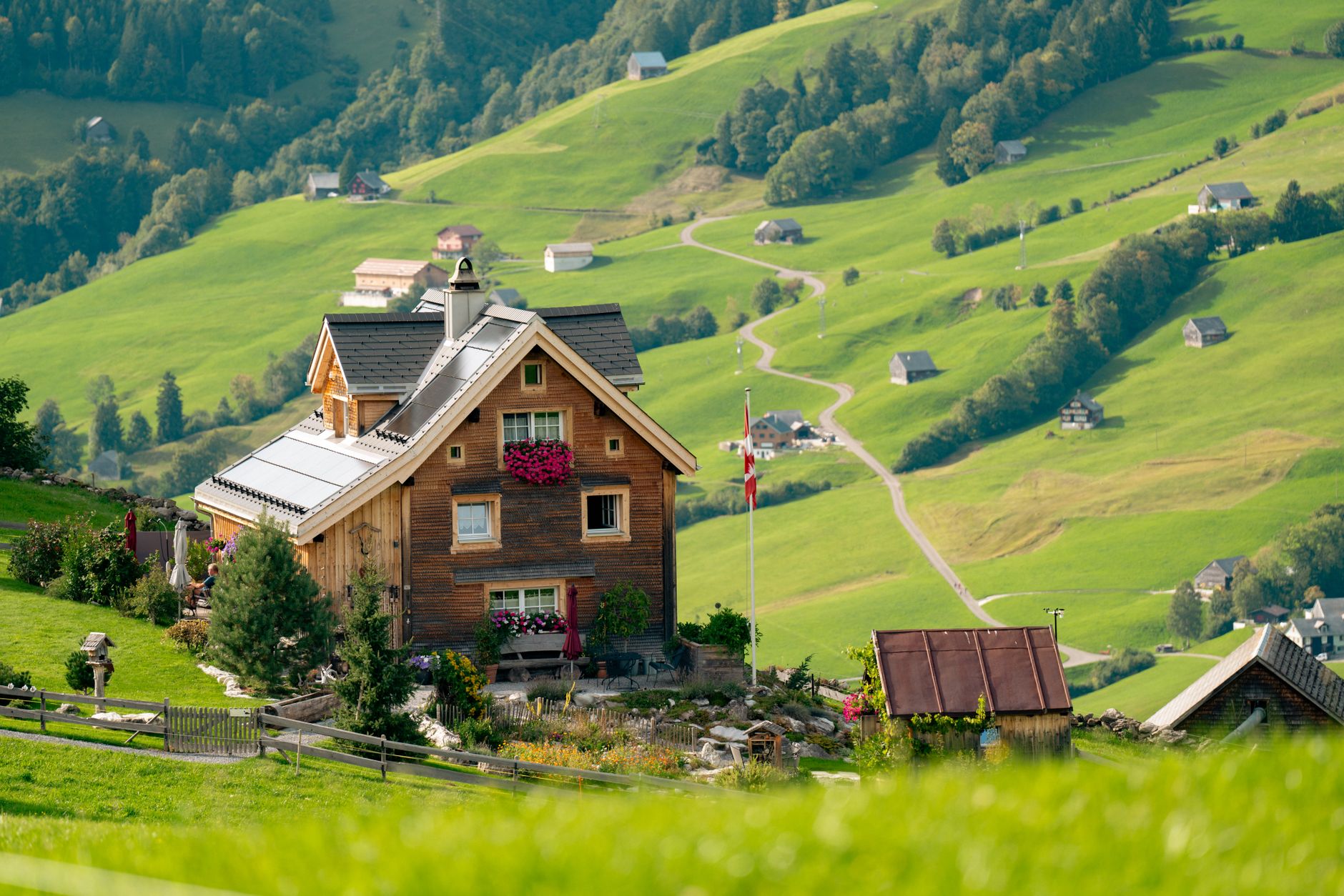
The Nomad Lawyer report released on 19 September 2026 marks a watershed moment for Europe's green‑travel ecosystem.
By aggregating data from more than 250 operators, 40 national tourism boards, and 12 EU‑funded research consortia, the study quantifies a €1 billion capital influx into low‑carbon projects during 2025—an amount that eclipses the combined investment in renewable‑energy‑focused hospitality initiatives of the previous five years.
This financial surge is mirrored in a 12 % year‑on‑year increase in eco‑tourism bookings recorded in Q3 2026, according to the European Travel Statistics Office.
The report underscores that while the aggregate investment appears robust, its effectiveness hinges on harmonised regulatory frameworks.
Fragmented national standards—ranging from Germany's stringent CO₂‑labeling to Spain's voluntary carbon‑offset scheme—risk creating a patchwork that dilutes cross‑border scalability.
Experts from the European Institute for Sustainable Tourism warn that without a unified certification system, investors may encounter duplicated compliance costs, reducing the net impact of the €1 billion pool.
Industry response is already visible.
Major hotel chains such as Accor and Marriott have announced roadmaps to retrofit 30 % of their European portfolio to meet the new EU criteria by 2028.
Meanwhile, boutique operators are leveraging the report's strategic framework to secure green bonds, a financing tool that offers lower interest rates in exchange for verifiable emission reductions.
The Nomad Lawyer analysis concludes with a forward‑looking scenario: if coordinated policy action aligns with market demand, Europe could achieve a 25 % reduction in tourism‑related emissions by 2030, positioning the bloc as a global benchmark for sustainable travel.
German Alpine Resorts Turn to Recycled Concrete Aggregates for Eco‑Lodges
In the wake of circular‑construction momentum highlighted by a 7 July 2026 Malaysian Reserve feature, Alpine regions of Bavaria and Tyrol have begun to embed recycled concrete aggregates (RCA) into the structural cores of new eco‑lodges.
The RCA market, projected to reach USD 24.7 billion by 2036, is gaining traction because it simultaneously addresses construction waste and embodied carbon.
The Green Alpine Lodge in Garmisch‑Partenkirchen, inaugurated in March 2026, incorporates 30 % RCA in its foundation slab, cutting the embodied carbon of the building envelope by an estimated 25 % relative to conventional concrete.
Beyond environmental metrics, the project aligns with the EU Waste Framework Directive, which mandates a minimum 70 % reuse rate for construction and demolition waste by 2030.
To meet this target, regional authorities introduced a subsidy scheme that offsets 15 % of material costs for developers adopting certified recycled aggregates.
The program also funded a vocational training module in partnership with the Technical University of Munich, resulting in 45 new skilled positions focused on RCA handling, quality assurance, and lifecycle assessment.
Market reception has been encouraging.
Occupancy data from the lodge's management shows a 20 % higher booking rate among travelers who self‑identify as eco‑conscious, compared with neighboring properties that rely on conventional construction.
Guest surveys reveal that the visible sustainability credentials—certified RCA usage, low‑flow fixtures, and on‑site renewable energy—translate into higher willingness to pay, with average nightly rates exceeding regional averages by €12.
Analysts predict that if the RCA adoption curve continues at its current pace, Alpine hospitality could reduce sector‑wide CO₂ emissions by 8 % by 2030, while simultaneously generating a net employment increase of 3 % in the construction supply chain.
Policy Landscape and EU Funding Mechanisms Accelerating Green Tourism
The strategic shift documented by Nomad Lawyer is underpinned by a suite of EU policy instruments introduced between 2024 and 2026.
Central to this architecture is the Sustainable Tourism Innovation Fund (STIF), a €5 billion pot allocated through competitive grants to projects that demonstrate measurable carbon‑reduction pathways.
In its first allocation round, STIF awarded €850 million to 27 initiatives spanning electric‑bus shuttle services in the French Riviera, solar‑powered ski lifts in the Austrian Alps, and AI‑driven demand‑management platforms in the Netherlands.
Complementing STIF, the European Green Deal's Tourism Annex mandates member states to embed carbon‑budget targets into national tourism strategies.
Germany, for instance, has set a 30 % reduction in per‑capita tourism emissions by 2030, while Italy aims for a 25 % cut in coastal resort footprints.
These national commitments are monitored through the EU's Tourism Emissions Registry, a real‑time data platform that aggregates satellite‑derived emissions estimates with on‑ground reporting from certified operators.
The regulatory environment also encourages private‑sector participation via green‑bond frameworks.
The European Investment Bank (EIB) launched a dedicated Sustainable Tourism Bond in early 2026, offering investors a 1.5 % premium over standard sovereign yields for projects that meet the EU Taxonomy's climate‑change mitigation criteria.
Since its issuance, the bond has attracted €1.2 billion in capital, earmarked for retrofitting historic hotels with energy‑efficient façades and for developing low‑impact rural agri‑tourism circuits.
Collectively, these mechanisms create a virtuous cycle: policy signals de‑risk investment, financing tools lower capital costs, and successful pilots generate data that refine future standards.
The report warns, however, that policy coherence must be maintained; divergent national tax incentives for carbon offsets could undermine the level playing field the EU seeks to establish.
Technology Innovations Driving Low‑Carbon Travel Experiences
Beyond financing and regulation, technological breakthroughs are reshaping the visitor experience and the emissions profile of European tourism.
One notable development is the rollout of AI‑enabled itinerary optimisation engines that balance traveller preferences with real‑time carbon intensity data.
Companies such as GreenPath and EcoVoyage have integrated open‑source emissions APIs from the European Environment Agency, allowing users to compare the carbon cost of a train journey versus a short‑haul flight with a single click.
Early adoption studies indicate that 38 % of users select the lower‑emission option when presented with transparent data, translating into an estimated annual reduction of 1.2 million tonnes of CO₂ across the EU.
Electrification of transport infrastructure is another pillar.
The Trans-European Transport Network (TEN‑T) has accelerated the deployment of high‑capacity charging corridors along major tourist routes, including the Alpine Passes and the Mediterranean coastal highway.
By the end of 2026, 85 % of designated tourist corridors will feature fast‑charging stations capable of delivering 350 kW, enabling electric buses and rental cars to operate without range anxiety.
In the accommodation sector, smart‑building platforms are leveraging IoT sensors to fine‑tune heating, ventilation, and lighting based on occupancy patterns.
A pilot in a boutique hotel chain across the Baltic states reported a 22 % reduction in energy use after installing a cloud‑based energy‑management system that automatically adjusts set‑points during low‑occupancy periods.
The data also feeds into the EU's Energy Performance of Buildings Directive, allowing operators to claim higher efficiency ratings and qualify for additional tax credits.
Finally, blockchain‑based carbon‑offset registries are gaining credibility.
Projects certified by the Verified Carbon Standard (VCS) are now being tokenised, enabling travellers to purchase verifiable offsets directly through booking platforms.
While critics caution against green‑washing, the transparency afforded by immutable ledgers is seen as a step toward restoring consumer trust in offset markets.