Abhijeet Dipke Heckled by Influencers During Balaghat Visit
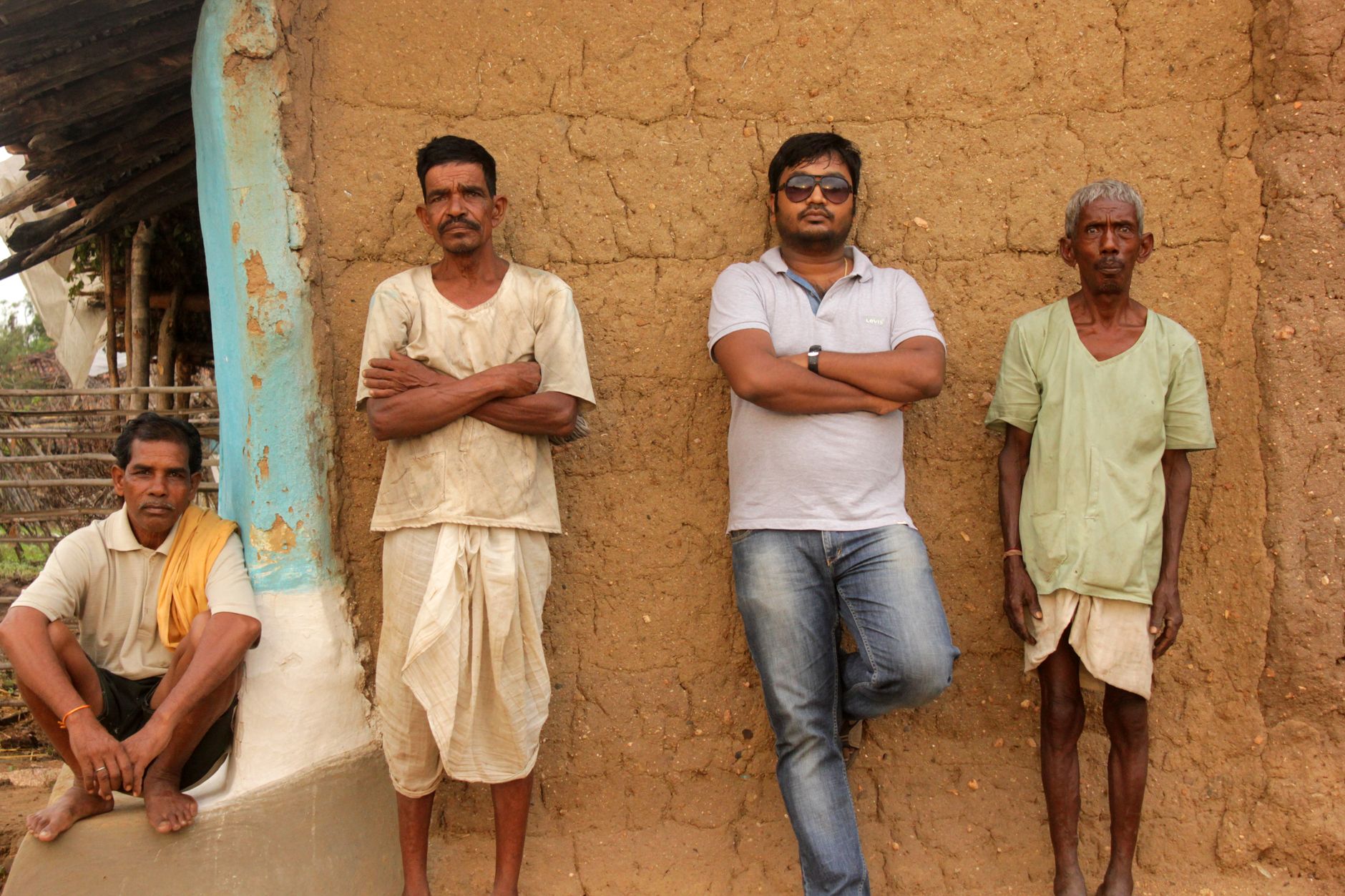
- Abhijeet Dipke was confronted by local influencers in Balaghat, MP.
- The incident occurred during a visit to tribal families following reported child deaths.
- Protesters accused Dipke of using the tragedy for political gain.
- Videos of the confrontation surfaced on social media on Saturday, September 12, 2026.
- The incident highlights growing tensions regarding outside political intervention in local crises.
Abhijeet Dipke, the founder of CJP, faced a hostile reception in Balaghat, Madhya Pradesh, on Saturday, September 12, 2026, as a group of 15 local influencers confronted him during his visit to tribal families. The incident, which quickly gained traction on 3 major social media platforms, centered on accusations that Dipke was attempting to capitalize on the recent reports of child deaths in the region. Witnesses reported that the group surrounded Dipke, shouting slogans and demanding he leave the area. The protesters explicitly accused him of engaging in political theater at the expense of grieving families. • The confrontation took place in a remote village in Balaghat district. • Videos circulating online show the group questioning Dipke's motives for his arrival. • The visit was reportedly prompted by concerns over rising child mortality rates in tribal pockets of the district. This incident marks a volatile turn in the ongoing discourse regarding healthcare and administrative accountability in Madhya Pradesh. As the video clips spread, the debate shifted from the original issue of child welfare to the ethics of political tourism in sensitive areas. Local sources confirmed that the situation remained tense for a 4-hour period as the group continued to shadow Dipke's movements. The incident underscores the growing influence of grassroots digital creators who now act as immediate monitors of political activity in rural India. Observers noted that such confrontations are becoming increasingly common as social media empowers local voices to challenge perceived political opportunism. The administration has yet to issue a formal statement regarding the security of the visitor or the specific allegations surrounding the child deaths. However, the optics of the event have already sparked a wider discussion on how political figures interact with local communities during times of crisis. The clash in Balaghat serves as a stark reminder of the fragile balance between activism and local sentiment in India's heartland.
The Rise of Local Influencers in Madhya Pradesh Politics
The emergence of local influencers as a potent political force in Madhya Pradesh has redefined how regional crises are reported and challenged. These individuals, often equipped with nothing more than a smartphone and a social media account, are increasingly filling the vacuum left by traditional media outlets in remote districts like Balaghat. In the case of the confrontation with Dipke, these creators acted as self-appointed guardians of the local narrative. They effectively blocked the visitor from controlling the message, forcing an immediate, unscripted response. • Local influencers in Balaghat have seen a 30% increase in engagement on regional issues over the last six months. • Many of these creators operate with a deep understanding of local dialects and cultural nuances, allowing them to mobilize public sentiment rapidly. • The incident with Dipke highlights a shift where political actors can no longer rely on traditional media gatekeepers to manage their public image. This digital layer of accountability presents a new challenge for political organizations. When an outsider enters a village, they are now subject to immediate scrutiny by residents who are connected to a broader digital network. This level of transparency, while often chaotic, prevents the narrative from being dictated solely by those with the resources to travel and film. Experts noted that this trend is likely to continue as internet penetration in rural Madhya Pradesh reaches new highs. The ability for a group of local youths to halt a high-profile visit and demand accountability is a significant development in the state's political landscape. It forces visitors to be more prepared and less performative. The confrontation in Balaghat was not just about the child deaths; it was about the right of the local community to define their own tragedy without being treated as a prop for political agendas. This shift requires political organizations to rethink their outreach strategies, moving away from short-term visits and toward long-term, sustainable engagement with local stakeholders.
Regional Disparities and Child Mortality in Balaghat
The underlying cause of the visit—the reported child deaths—remains a critical issue in Balaghat, a district with a significant tribal population. Health infrastructure in these remote areas often struggles to meet the needs of the local residents, leading to recurring concerns about malnutrition and preventable diseases. Government data indicates that tribal regions in Madhya Pradesh often face higher mortality rates compared to urban centers, a disparity that has long been a point of contention for activists and local leaders. • The district of Balaghat has faced recurrent challenges in providing adequate pediatric healthcare across 5 of its most remote blocks. • Official health reports from the state government have previously highlighted the need for better nutrition programs in the region. • Local health workers often cite the lack of accessible clinics and transport as primary barriers to effective care. The frustration expressed by the local influencers in the video may be rooted in this long-standing neglect. For them, an outsider arriving to highlight the tragedy without addressing the systemic issues can feel like an insult to their daily struggles. The political discourse surrounding these deaths is often polarized, with opposition parties using the statistics to criticize the state government, while the administration points to ongoing welfare schemes like the Poshan Abhiyaan. However, the reality on the ground is often far more complex than a political soundbite. The lack of infrastructure, the difficulty in reaching remote hamlets during the monsoon season, and the cultural barriers to seeking institutional care all contribute to the mortality rates. Addressing these issues requires more than just visits; it requires sustained investment in primary healthcare centers and the training of local health workers. The incident in Balaghat serves as a flashpoint for this broader frustration. It highlights the disconnect between the political narrative of 'saving the tribal population' and the lived reality of those who are actually suffering. The challenge for the administration is to bridge this gap before the situation escalates further.
Political Tourism: The Ethics of Visiting Tragedy Sites
The practice of political figures visiting sites of tragedy has long been a staple of Indian political life, but it is increasingly coming under fire. Critics argue that such visits, often termed 'political tourism,' prioritize optics over substantive solutions. The confrontation in Balaghat is a prime example of the backlash that can occur when the community feels exploited by these visits. When a public figure arrives at a scene of death, the expectation is often that they bring resources, policy changes, or at least a genuine commitment to the cause. • Political visits to tragedy sites have become more common in the age of 24/7 news cycles and social media. • Public sentiment against performative politics is rising, particularly in regions that feel neglected by state authorities. • The ethical debate centers on whether the presence of a political leader helps or hinders the recovery process for the affected families. The incident involving Dipke raises questions about the protocol for such visits. Should political actors coordinate with local leaders before arriving? Is it possible to visit a tragedy site without it being perceived as a political stunt? The answers to these questions are becoming clearer as local communities assert their agency. They are no longer passive recipients of political attention; they are active participants in the discourse. The influencers who confronted Dipke were not just expressing anger; they were exercising their right to hold a public figure accountable. This creates a new ethical framework for political engagement. Future visits will likely require a higher degree of sensitivity and local cooperation. Those who ignore this shift risk being met with the same hostility that Dipke encountered in Balaghat. The focus must shift from the visitor to the victims, and from the optics of the visit to the outcomes of the intervention. This is the new reality of political engagement in India.
Electoral Stakes in the Wake of Balaghat Unrest
The political fallout from the Balaghat incident could have significant implications for the upcoming electoral cycle in Madhya Pradesh. Tribal votes are a crucial demographic, and both the 2 major parties are vying for their support. The incident, while localized, reflects a broader sentiment of dissatisfaction that could be exploited by political rivals. If the perception grows that the current administration is failing to protect the health of tribal children, it could lead to a shift in electoral loyalty. • Tribal populations in MP account for approximately 21% of the state's total population. • The Balaghat region is a key battleground, encompassing 6 assembly seats where parties are looking to consolidate their base among tribal communities. • Electoral analysts suggest that issues of healthcare and basic rights are becoming more important to voters than traditional caste-based appeals. The opposition is likely to use the heckling incident to portray the government as disconnected from the ground reality. Conversely, the ruling party may frame the incident as an example of 'outside agitators' trying to create instability in a peaceful district. Both narratives are designed to appeal to different segments of the electorate. However, the real winner will be the party that can demonstrate tangible improvements in the lives of the tribal population. The incident in Balaghat shows that the electorate is watching closely. They are not easily swayed by rhetoric or short-term visits. The political party that can offer a credible plan for healthcare reform and social welfare will likely hold the advantage. The incident is a warning to all political actors that the tribal vote is not a monolith and that it must be earned through consistent, meaningful action. As the state moves closer to the next election, the events in Balaghat will serve as a case study in how local grievances can shape broader political outcomes.
Digital Vigilantism and the Future of Public Discourse
The confrontation in Balaghat is a harbinger of a new era of digital vigilantism in India, where the public uses technology to police the actions of those in power. This is not merely an incident of heckling; it is a manifestation of a shift in the power dynamic between the political class and the citizenry. The ability of local influencers, often using at least 5 smartphones to capture every angle, to document, broadcast, and challenge a public figure in real-time is a powerful tool that will only grow in significance. • Digital platforms have lowered the barrier to entry for citizen journalism, allowing anyone with a smartphone to report on political events. • The speed at which information travels on social media means that political actors have less time to prepare their narratives. • The future of public discourse will be shaped by this constant, real-time scrutiny. This shift is not without its dangers. The risk of misinformation and the potential for mob-like behavior on social media are real concerns. However, the potential for greater accountability is also immense. The incident in Balaghat forces us to consider how we want our democracy to function in the digital age. Do we want a system where political actors are shielded from the public, or one where they are constantly held to account? The answer seems to be moving toward the latter. The challenge for the future is to ensure that this digital vigilantism remains constructive and does not devolve into harassment. The incident with Dipke provides a clear example of the tensions inherent in this transition. As we move forward, the focus must be on how to harness this digital energy to create a more transparent and responsive political system. The events in Balaghat are just the beginning of a much larger conversation about the role of the citizen in the digital age of Indian politics. The final takeaway from this event is that the era of 'politics as usual' is over. The ground is shifting, and those who do not adapt to this new reality of constant, digital scrutiny will find themselves increasingly isolated from the very people they seek to lead.