What Does a Baker Do? Daily Responsibilities and Career Reality
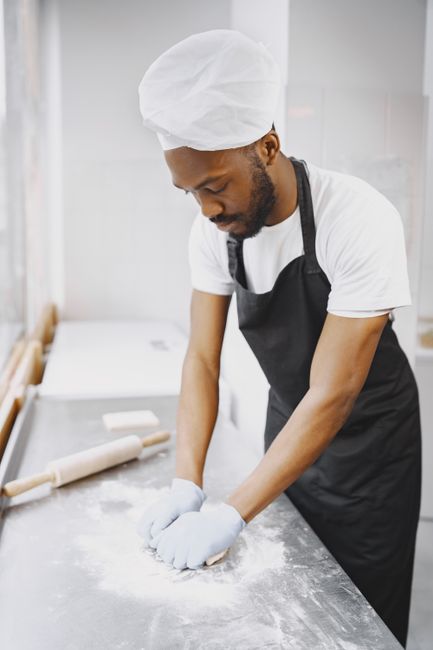
- Baking is a science-based trade requiring precision and physical stamina.
- The workday often begins before dawn to ensure fresh products for morning customers.
- Career advancement depends on mastering high-volume production and complex dough chemistry.
- Expect significant physical strain from heavy lifting and long hours standing.
What Are the Core Responsibilities of a Professional Baker?
A baker is a culinary professional who specializes in preparing and cooking flour-based goods like bread, pastries, and cakes. You aren't just following recipes; you are managing a complex process of chemistry, fermentation, and thermal control. It is a trade that prioritizes consistency and timing above all else. While home baking is a hobby, professional baking is a high-pressure production environment. You must produce hundreds of units while maintaining strict quality standards under tight deadlines. Success in this field requires a blend of artistic flair and rigorous discipline. If you enjoy repetitive tasks and early morning hours, the craft can be rewarding. For those who crave variety and standard office hours, however, the reality of the bakery floor might be a shock.
What Is a Typical Day Like for a Professional Baker?
Baking is physically grueling work. You should expect to stand on hard kitchen floors for eight to ten hours per shift. Lifting fifty-pound bags of flour is a standard part of the job for most apprentices and line bakers. The heat in a professional kitchen is intense, often exceeding ninety degrees near the ovens. You will be moving constantly, shifting between heavy mixers and temperature-controlled proofing rooms. Frequent bending and reaching can lead to repetitive strain injuries if you don't use proper form. Many professionals invest in high-quality, supportive footwear to mitigate the impact on their joints. It is not a sedentary profession by any measure.
What Are the Physical Demands and Challenges of Baking?
You need a firm grasp of math and basic chemistry. Bakers calculate hydration percentages and adjust formulas based on the humidity and ambient temperature of the kitchen. If you can't scale a recipe accurately, your product will fail consistently. Organizational skills are equally important because you must manage multiple timers and baking stages simultaneously. You will also learn to operate industrial-sized mixers, sheeters, and deck ovens. Most beginners start by learning the properties of different flours, yeasts, and fats. If you want to move up, you should check your local culinary school requirements or apprenticeship programs for certification standards. Hands-on experience remains the fastest way to build your reputation.
How Much Does a Professional Baker Earn?
Earnings vary significantly based on your location and the size of the establishment. Entry-level positions often pay near the local minimum wage, while head bakers or pastry chefs at high-end restaurants earn substantially more. You should check current listings on major job boards for your specific city to get an accurate range. Larger commercial facilities typically offer better benefits and more stable hours than independent artisan shops. Keep in mind that specialized roles, such as cake decorators or sourdough specialists, often command a higher hourly rate. Don't expect a high salary in the first two years of your career.
What Are the Downsides of a Baking Career?
The most significant downside is the schedule. Most bakers start their shifts between 2:00 AM and 4:00 AM to ensure products are ready for the morning rush. This lifestyle makes maintaining a standard social life difficult. You will often work weekends and holidays when the rest of the world is taking time off. Furthermore, the work environment is high-stress, with narrow margins for error and constant pressure to minimize waste. If you burn a batch of croissants, you lose the time and the ingredients, which impacts the shop's daily profit. It is a demanding career that leaves little room for burnout.
Frequently asked questions
No, a culinary degree is not strictly required. Many bakers learn through apprenticeships or on-the-job training, though formal education can provide a competitive edge in high-end bakeries.
Bakers typically work early morning or overnight shifts to ensure fresh products are ready for business opening, often starting between 3:00 AM and 4:00 AM.
Yes, the role is physically taxing. It involves heavy lifting of ingredients, standing for extended periods, repetitive motions, and working in environments with high ambient temperatures.
Key skills include precision in measurement, time management, physical stamina, attention to detail, and a fundamental understanding of baking chemistry and ingredient interactions.