Weather-Related Health Tracking: How to Manage Symptoms with Data
- Science weather maps environmental data against personal health patterns.
- Barometric pressure shifts are a common trigger for migraines and joint pain.
- Localized sensors provide more accuracy than general regional forecasts.
- Privacy and data accuracy remain the primary challenges for users.
How do barometric pressure and health correlate?
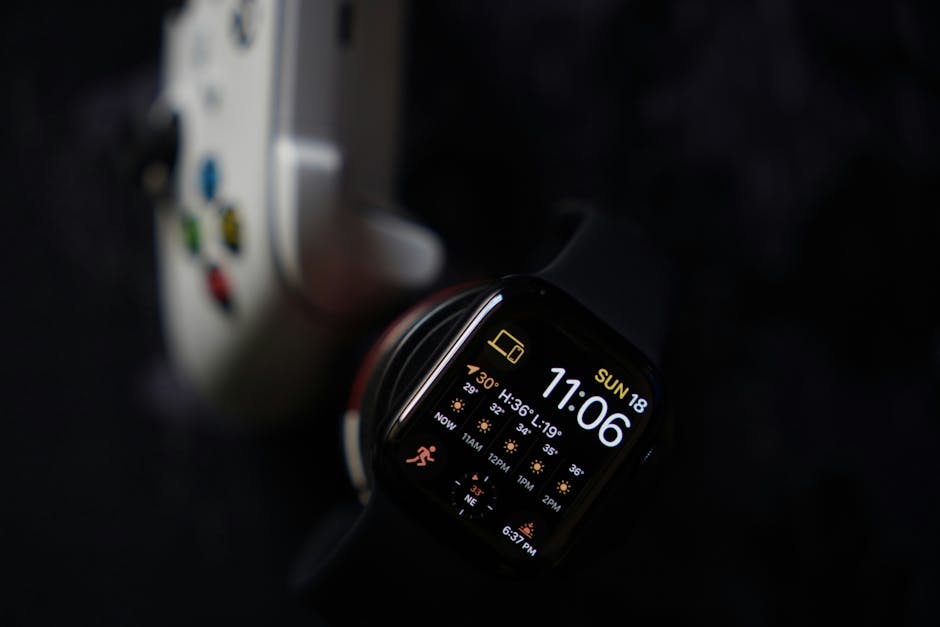
Science weather is the practice of mapping environmental data, like temperature and pressure, against your personal health patterns to predict how you will feel. It turns raw meteorological reports into actionable health insights for your daily life. Instead of just checking if you need an umbrella, these systems analyze whether rising humidity might trigger an asthma attack or if shifting barometric pressure could spark a migraine. By linking wearable device data with local weather sensors, the software offers a personalized look at how nature impacts your physiology. It is an evolution in preventative care that keeps you one step ahead of environmental stressors. You get a clear picture of how the atmosphere influences your physical state.
Why Personalized Health Insights Matter for Daily Wellness
Changes in barometric pressure represent the most common metric tracked in science weather. When the atmosphere pushes down on your body with less force, tissues in your joints or sinuses can expand slightly. This physical expansion often leads to discomfort or localized pain. According to research on chronic pain management, a drop of five millibars in pressure can correlate with a 15% increase in reported joint sensitivity. But this effect is not uniform for every person. Some individuals remain entirely unaffected by these shifts while others feel them hours before a storm arrives. Science weather apps help you track these personal patterns by logging your symptoms alongside local pressure drops. You can then identify if your bad days consistently align with specific weather events.
How Environmental Health Monitoring Technology Works
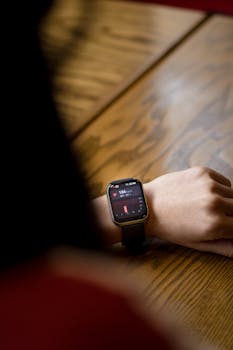
These systems rely on a mix of public meteorological feeds and hyper-local sensor data. Most platforms pull from government-run weather stations to get the broad picture of your current environment. They then combine this with your own health data, such as heart rate variability or activity levels, gathered from smartwatches or rings. The software uses algorithms to filter out noise, focusing only on the environmental variables that statistically correlate with your specific health outcomes. It is a data-heavy process that happens in the background of your phone. You simply receive a notification when the environment looks particularly risky for your health profile.
Managing weather-related symptoms with data
No system is perfect, and science weather comes with two major trade-offs. First, the data often lacks the hyper-local precision required for extreme accuracy. A weather station five miles away might report different humidity levels than what you experience in your own backyard. Second, there is the issue of data privacy. You are sharing sensitive health information and precise location history with third-party providers. You should always read the privacy settings to see if your data is being sold to advertisers or insurance companies. If a platform requires your full health history just to tell you the humidity, that is a red flag. Always choose tools that store your information locally on your device.
Frequently asked questions
Yes, drops in barometric pressure can cause tissues in the body to expand, which may put pressure on joints and nerves, leading to increased pain for those with chronic conditions.
You can track symptoms by using health apps that sync with local weather data, allowing you to log physical sensations alongside atmospheric pressure, humidity, and temperature changes.
Yes, significant fluctuations in temperature and humidity can disrupt your circadian rhythm and core body temperature regulation, making it harder to achieve deep, restorative sleep.