Wearable Sweat Sensors: Real-Time Health Monitoring for Construction
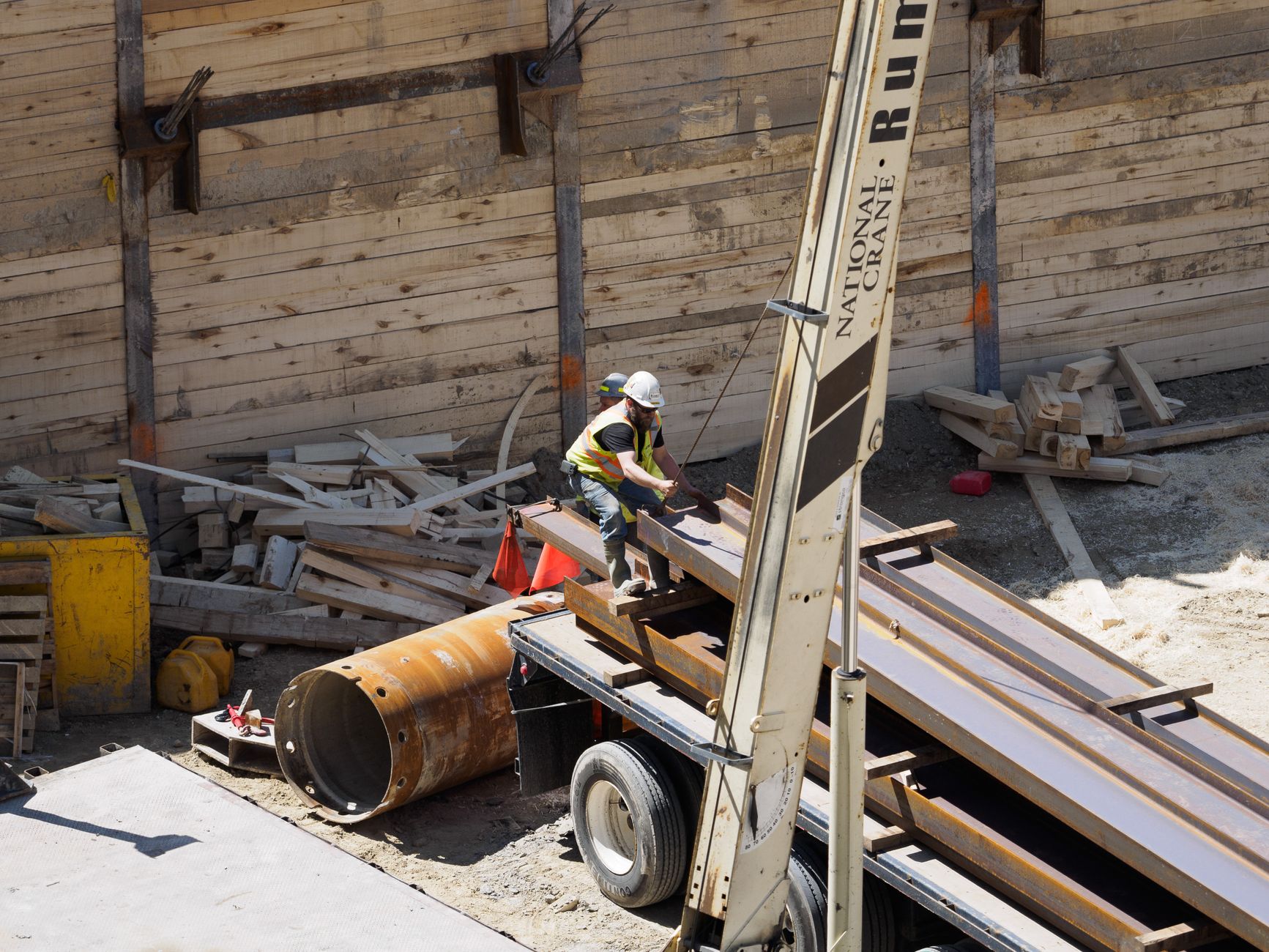
- Researchers are testing a sweat-monitoring wearable on construction workers.
- The sensor aims to track health data directly from sweat during physical labor.
- The project focuses on how well technology performs in outdoor, high-exertion environments.
How does construction site health monitoring work?
Researchers are testing a wearable sweat sensor at a construction site as of October 12, 2026, according to Google News. This device monitors health data by analyzing sweat composition while workers perform their daily tasks. It represents a shift toward tracking physiological markers in real-world, high-exertion work environments rather than in a laboratory setting. The goal is to observe how the hardware functions when exposed to the dust and movement common at a building site.
Why use wearable tech for manual labor?
Construction sites present difficult conditions for sensitive electronics. By testing at a site, researchers gather data on how well these sensors maintain accuracy despite physical impact, sweat accumulation, and environmental debris. This helps identify if the hardware can provide reliable health feedback for people performing heavy manual labor. The study aims to determine if consistent monitoring helps manage risks like dehydration or physical exhaustion in the field.
How Real-Time Health Tracking Improves Safety for Manual Laborers
This research affects construction workers and the companies that manage safety protocols. If these devices prove effective, workplaces may adopt them to monitor worker health during long shifts in extreme temperatures. Employers might eventually use this data to mandate breaks or adjust workloads based on real-time physiological feedback. It also impacts developers who need to refine sensor durability for industrial settings.
What Challenges Remain for Sweat Sensor Deployment?
The report does not clarify how the device protects personal health data or who has access to the information. It is also unclear how the sensor handles extreme variations in temperature or heavy dirt exposure over extended periods. You should check future updates for details on battery life and the cost of the hardware. Researchers have yet to confirm if the sensors will become a standard requirement for site safety.
Future Developments in Construction Wearable Technology
Follow reports on the accuracy of these sensors compared to medical-grade monitors. If you work in construction, look for updates from your employer regarding the introduction of wearable health equipment. You should also watch for industry guidelines on how to manage the data collected by these devices. For now, the technology remains in the testing phase.
- Researchers Test Wearable Sweat Sensor at Construction Site — Google News, Oct 12, 2026
Add NewsPulse Time as a preferred source on Google
Frequently asked questions
Sweat sensors analyze biomarkers like electrolytes, lactate, and glucose in real-time to detect early signs of dehydration or heat exhaustion before they become medical emergencies.
Construction sites often involve high-exertion tasks in extreme temperatures, putting workers at higher risk for heat-related illnesses that require immediate intervention.
The technology is currently in the research and testing phase, with developers focusing on improving sensor durability and data accuracy for the rugged conditions of industrial environments.