How Wearable Neurotechnology Tracks Cognitive Health and Brain Activity
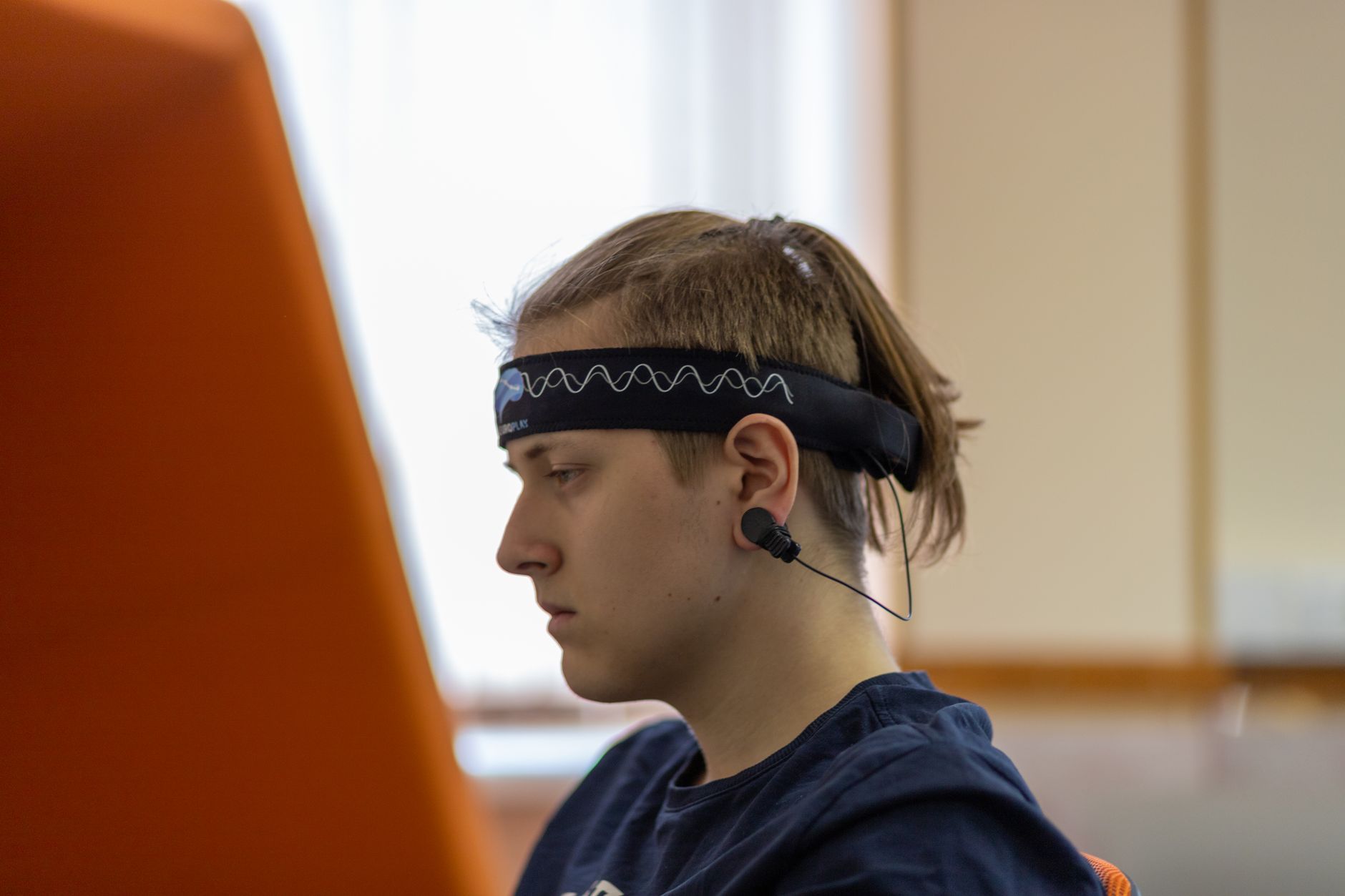
- Neurotechnology moves health tracking beyond simple physical metrics.
- Devices now monitor brain activity directly for personal use.
- The technology offers new ways to manage mental states.
- Data privacy and accuracy remain areas for user observation.
How does brain activity tracking work in modern wearables?
As of October 12, 2026, wearable neurotechnology is shifting personal health monitoring from basic physical tracking to the observation of brain activity. This change moves the focus beyond the heart rate and step counts common in standard smartwatches. According to the report Beyond Smartwatches: How Wearable Neurotechnology Is Changing Personal Wellbeing, these devices now provide users with direct insights into their cognitive states. It is a move toward more precise personal health management.
What are the primary benefits of monitoring cognitive health daily?
The shift occurs because sensors have become small enough to integrate into everyday wearables. Previous health devices relied on indirect markers like pulse or sweat to guess a user's stress level. Neurotechnology bypasses these estimations by measuring brain signals directly. This allows for data that reflects a person's actual mental state rather than just their physical output.
Are neurofeedback wearables replacing traditional fitness trackers?
This transition primarily affects individuals interested in personalized health data and mental performance. It also impacts developers who design wellness tools for consumers. By providing direct access to brain-based metrics, the technology creates new options for people seeking to manage their focus or sleep patterns. Users should monitor how their specific devices handle this data.
How to choose the right mental health tracking device for your needs
You should check your device settings to see what brain data it collects and where that information is stored. Look for transparent privacy policies from the manufacturers. As the technology matures, expect more devices to enter the market with claims about mood regulation and cognitive enhancement. Verify any health claims against the manufacturer's own documentation.
What are the current limitations and unknowns of neurotechnology?
The long-term effects of constant brain data monitoring are not yet fully understood. While the current technology provides new insights, it is unclear how this data translates into permanent improvements for personal health. Researchers are still determining the accuracy of these wearables compared to medical-grade equipment. These questions remain part of the ongoing development in the field.
- Beyond Smartwatches: How Wearable Neurotechnology Is Changing Personal Wellbeing — Google News, Oct 12, 2026
Add NewsPulse Time as a preferred source on Google
Frequently asked questions
Most consumer neurotech wearables utilize dry-electrode EEG (electroencephalography) sensors to detect electrical impulses on the scalp, which are then processed by algorithms to interpret brainwave patterns.
While wearables can track physiological markers associated with stress and cognitive load, they are currently tools for wellness insights rather than clinical diagnostic devices for mental health conditions.
Fitness trackers primarily monitor physical metrics like heart rate and steps, whereas neurofeedback devices focus on neurological data to help users train their brain for improved focus, relaxation, or sleep.