How Terasaki Institute’s Wearable Sensors Monitor Eye Health via Tears
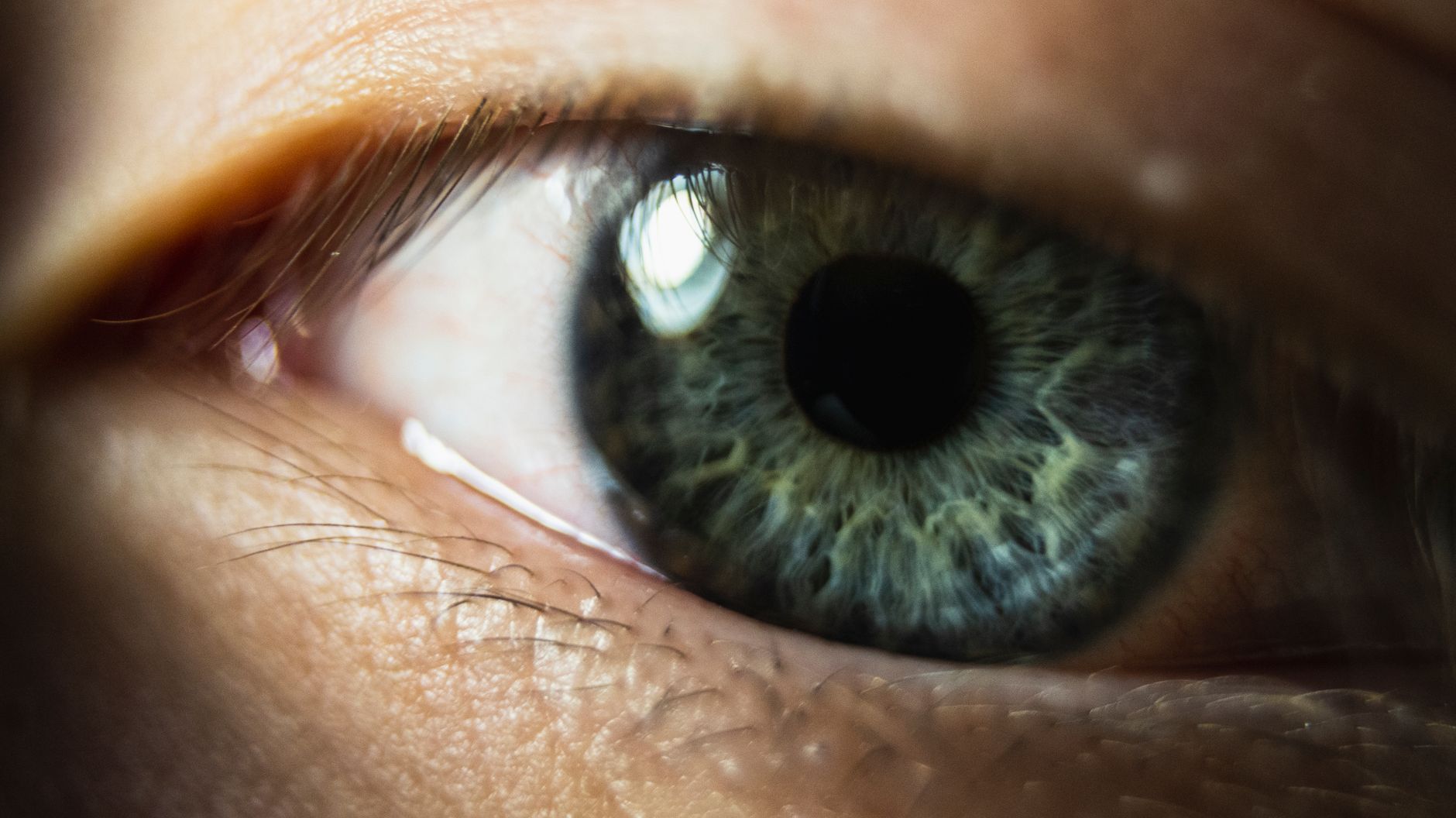
- Terasaki Institute published a technical blueprint for wearable eye sensors on October 8, 2026.
- The sensors monitor health markers by analyzing human tears continuously.
- Data privacy and eye comfort remain significant, unaddressed challenges for users.
- The technology aims to replace periodic clinical testing with real-time home monitoring.
How do tear-based biosensors work?
Scientists at the Terasaki Institute published a blueprint on October 8, 2026, for wearable eye health sensors. These devices, designed to monitor health markers directly from human tears, aim to replace cumbersome clinical testing with continuous, non-invasive data collection. It's a shift from intermittent checkups to constant, real-time monitoring. But, bringing this technology to market involves steep trade-offs regarding data privacy and long-term user comfort. Readers should watch for how these sensors manage the delicate balance between high-precision data and the realities of daily wear. According to the Terasaki Institute, this design framework provides the essential technical requirements for future development. While the potential for improved health outcomes is clear, the path toward a consumer-ready product remains filled with engineering and regulatory obstacles.
What are the benefits of non-invasive eye monitoring?
Current methods for tracking chronic conditions often require blood draws or uncomfortable clinical visits. According to the Terasaki Institute, their proposed sensors offer a way to track vital health indicators through tear fluid, which acts as a rich source of biological information. This allows for the tracking of glucose levels or other biomarkers without needles. And, it provides a window into a person's health that is not currently accessible at home. For patients managing long-term conditions, this could mean fewer trips to the doctor's office. But, the technology must prove it can remain stable while worn on the surface of the eye. If the device shifts or irritates the eye, the accuracy of the data will suffer.
Why is continuous health monitoring the future of diagnostics?
Most discussions focus on the medical benefits, but the practical costs are significant. Wearing a sensor on the eye raises major questions about long-term comfort and the risk of infection. According to the blueprint, the materials must be biocompatible, yet even the best materials have limitations. There is also the issue of data security. If your eye sensor transmits health data wirelessly, who owns that information? Users may find themselves paying for the device, only to lose control over their private health metrics to third-party platforms. Furthermore, the cost of replacing delicate, high-tech components that sit near the cornea could be high. You should expect to see recurring costs for maintenance or sensor replacement if these reach the consumer market.
What is the latest Terasaki Institute research on eye sensors?
Keep an eye on how these sensors move from the lab into human testing phases. The Terasaki Institute has provided the blueprint, but actual device performance in daily life remains unproven. Check for reports on user comfort and the duration these devices can be worn without causing eye strain. Also, watch for regulatory updates from health agencies regarding the classification of such sensors. Will they be treated as medical devices requiring a prescription, or as consumer electronics? The answer will dictate both the price and the accessibility of the technology. Until that happens, this remains a promising design rather than a product on a shelf.
What are the current limitations of tear-based eye sensors?
We do not know the expected lifespan of these sensors or how they will be powered. According to the Institute's outline, the design requires specific technical standards, but the exact power source for continuous monitoring is not yet fully detailed. Additionally, it remains unclear how the device will handle environmental factors like dust or wind. Most importantly, the long-term impact on the eye's natural tear production and surface health has not been established. There is a wide gap between a working prototype and a device safe for everyday, long-term use. We will need to see data from extended trials to understand if this is truly a viable path for the average person.
- Terasaki scientists outline blueprint for next-generation wearable eye health sensors — Google News, Oct 8, 2026
Frequently asked questions
Tear-based biosensors use microfluidic channels to collect and analyze tear fluid, detecting biomarkers like glucose, proteins, or electrolytes in real-time without requiring blood draws.
Currently, tear-based biosensors are in the research and development phase at institutions like the Terasaki Institute and are not yet available for commercial consumer use.
Research focuses on detecting systemic conditions such as diabetes, ocular diseases, and stress markers by monitoring specific chemical concentrations found in human tears.