How Homelessness Shapes Urban Digital Infrastructure and Smart Cities
- Public digital infrastructure shifts toward crisis management rather than general utility.
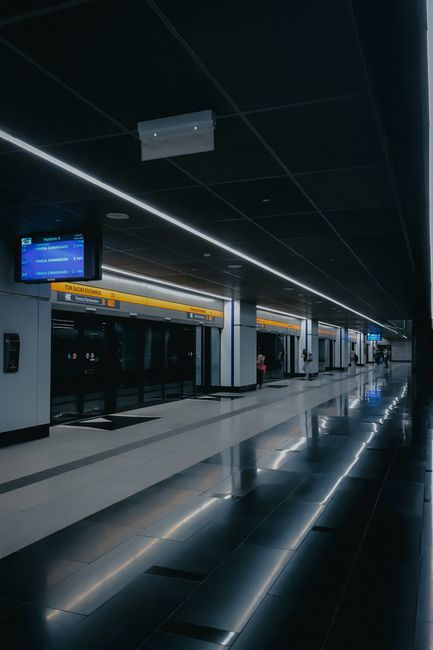
- Urban transit systems face increased maintenance costs, affecting your commute reliability.
- Data privacy becomes a central tension as cities track resource usage in public spaces.
- Private connectivity tools are becoming necessary as public access points become restricted.
How does homelessness affect public Wi-Fi availability?
Homelessness affects you by altering the way your city manages public digital infrastructure and how local governments allocate resources that impact your daily commutes and tax burdens. It is not just a humanitarian crisis; it is a shift in urban planning that forces cities to prioritize emergency response over long-term infrastructure maintenance. When public spaces become residential hubs, the maintenance of transit hubs and public internet access points changes significantly. You will notice this when city services—like public Wi-Fi or transit ticketing—become less reliable or are restricted to prevent misuse. This creates a ripple effect, forcing you to rely more on private subscriptions and personal hardware for basic navigation and communication in urban areas.
How is smart city technology being redesigned for inclusivity?
Technology is often deployed to manage homelessness through tracking apps and resource allocation databases. Cities utilize these systems to monitor bed availability in shelters and track the movement of people across transit zones. While these tools aim to improve efficiency, they create a significant trade-off: the centralization of sensitive, private data. When your local government expands these systems, the security of that data becomes a concern for every citizen. A breach in a municipal database could expose not only the individuals receiving aid but also the broader infrastructure data that keeps your city running. You should check your city's public records or municipal privacy policies to see how they store information about public space utilization.
Why urban planning must integrate digital access for all residents
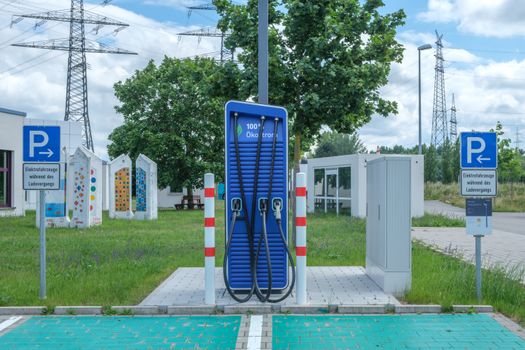
The physical reality of homelessness places immense pressure on the hardware that keeps your city connected. Public charging stations and kiosks often face high failure rates, leading to frequent service outages. Cities are responding by installing hardened, vandal-resistant hardware that is significantly more expensive to deploy than standard equipment. This increases the total cost of ownership for municipal technology projects by roughly 20% to 30% per unit compared to previous models. If you rely on these stations for emergency charging or transit information, you are likely to encounter more downtime. Expect to see a move toward restricted-access kiosks that require a specific user authentication process to operate.
Strategies for bridging the digital divide in modern cities
Urban areas are increasingly saturated with sensor networks, cameras, and automated transit tracking. These tools are often marketed as solutions for public safety and resource management, but they track every resident's behavior in public zones. When you use public transit or walk through high-density urban areas, your movement is logged by these systems. The data is meant to optimize traffic and resource distribution, yet it creates a permanent record of your daily habits. There is a clear downside: the lack of anonymity in public life. If you value privacy, consider how your digital footprint expands as cities integrate more automated monitoring into the urban landscape.
What are the economic trade-offs for residents?
The economic impact of managing homelessness is reflected directly in your tax bills and service fees. Cities often divert funds from long-term digital projects—like municipal fiber expansion or city-wide smart lighting—to cover the immediate costs of social services and infrastructure repairs. This trade-off means your neighborhood might wait years longer for upgrades that were previously on the municipal roadmap. It is a zero-sum game for many local governments with limited budgets. You should look at your city's budget documentation to see how much funding has shifted from capital technology projects toward emergency maintenance over the last three years.
Can digital tools actually solve the problem?
Software solutions are often proposed as the primary way to manage this crisis. While apps and data dashboards can help coordinate services, they are not a substitute for physical housing units. The risk here is that local governments might over-invest in administrative software while under-investing in the actual infrastructure needed to provide shelter. A well-designed database is helpful, but it cannot solve a housing shortage. If your city proposes a new digital initiative to manage homelessness, ask if it is a tool for coordination or a distraction from the lack of physical resources. Digital tools are only as effective as the policy decisions behind them.
Frequently asked questions
Homelessness often limits access to reliable public Wi-Fi due to restrictive hardware policies, the removal of public charging stations, and security measures that prioritize commercial usage over open access.
Smart cities address digital exclusion by implementing municipal broadband initiatives, public-private partnerships for hardware access, and designing inclusive transit ticketing systems that do not require smartphones or bank accounts.
While technology cannot solve the root causes of homelessness, digital tools can improve the delivery of social services, streamline housing applications, and provide essential communication channels for those in need.