How to Calculate the True Cost of Your Daily Commute
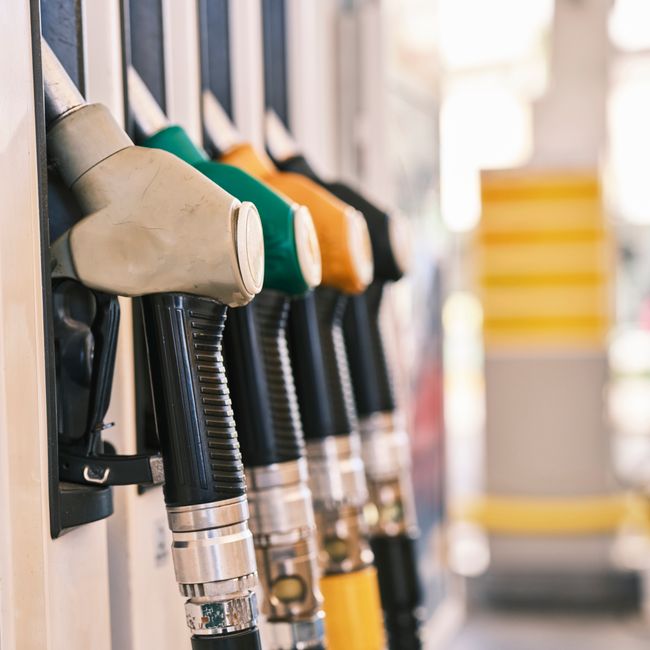
- Gasoline is a non-negotiable overhead cost, not an asset.
- Fuel efficiency is a variable expense you can actively manage.
- Switching to electric vehicles requires a long-term cost-benefit analysis.
- Driving habits directly influence your monthly budget volatility.
How to calculate your monthly gas budget
Gas isn't an investment; it is a recurring tax on your lifestyle. Whether it is "worth it" depends entirely on your ability to change your commute or your engine. For most people, fuel spending is a non-negotiable overhead that eats into monthly savings. If you aren't tracking your fuel efficiency, you are effectively leaving money on the table every time you pull up to the pump. You can't beat the energy market, but you can control your consumption. Stop treating gas as a fixed cost and start viewing it as a variable expense you can manage. The most expensive car is the one that forces you into debt just to keep it moving.
Why Fuel Should Be Treated as a Variable Expense
Most drivers only look at the price per gallon. That is a mistake. To find the true cost, you must factor in your vehicle's miles per gallon against your total monthly distance. If you drive 1,000 miles a month in a vehicle getting 20 MPG, you are burning 50 gallons of fuel. At a baseline price of $3.50 per gallon, that is $175 every month. But what happens when prices jump? If they hit $4.50, your cost spikes to $225 instantly. Suddenly, that fuel-efficient sedan looks like a smarter financial move. Take the time to run these numbers for your own vehicle. You might find that your daily driver is costing you more than a car payment.
Practical ways to reduce driving costs
Electric vehicles remove the pump from the equation, but they introduce new variables. You trade gas costs for higher upfront purchase prices and potential battery replacement concerns down the road. According to data from major automotive trackers, you need to drive at least 15,000 miles per year for the fuel savings to offset the premium price of an EV. If you work from home or have a short commute, the math rarely favors a switch. Do not buy an EV just to save on gas if your total mileage is low. You will spend more in depreciation than you would have spent at the gas station.
The Hidden Costs of Driving Habits
Your right foot is the biggest factor in your fuel budget. Rapid acceleration and high-speed driving force your engine to work harder than necessary, burning through fuel at an accelerated rate. Studies show that aggressive driving can lower your gas mileage by up to 30% on the highway. Simply slowing down by five miles per hour can improve your fuel economy by 7% or more. It is a simple habit change that keeps money in your pocket. Furthermore, keeping your tires properly inflated prevents unnecessary drag. It is a small detail, but it adds up over a year.
When Is It Financially Better to Stop Driving?
Sometimes the most honest answer is that your vehicle is the problem. If you are spending more than 15% of your take-home pay on fuel, your transportation strategy is broken. It is time to look at the trade-off between a newer, more efficient vehicle and the cost of keeping a gas-guzzler on the road. Check your local market for trade-in values before deciding. If the repair bills are mounting alongside your fuel costs, the car has become a liability. You shouldn't be paying a premium just to get to work.
The Reality of Price Volatility
Fuel prices are tied to global supply and demand, which means you have zero control over the ticker at the station. You will always be at the mercy of outside forces. Because of this, you should build a buffer into your monthly budget. Assume prices will rise by 10% during peak travel seasons and plan accordingly. If you don't prepare for the spike, it will blow up your budget unexpectedly. Treat fuel price volatility as a constant, not an anomaly. Staying prepared is the only way to keep your finances stable.
Frequently asked questions
The true cost of driving includes fuel, routine maintenance, insurance premiums, vehicle depreciation, and unexpected repair costs, rather than just the price of gas.
To calculate your commute cost, multiply your daily round-trip mileage by your vehicle's cost-per-mile, then add your monthly insurance premium and a monthly allowance for maintenance and depreciation.
You can reduce driving costs by maintaining proper tire pressure, driving at steady speeds to improve fuel efficiency, consolidating errands to lower total mileage, and keeping up with preventative maintenance.