What Tesla Stock After the Cybercab Event Means for Investors
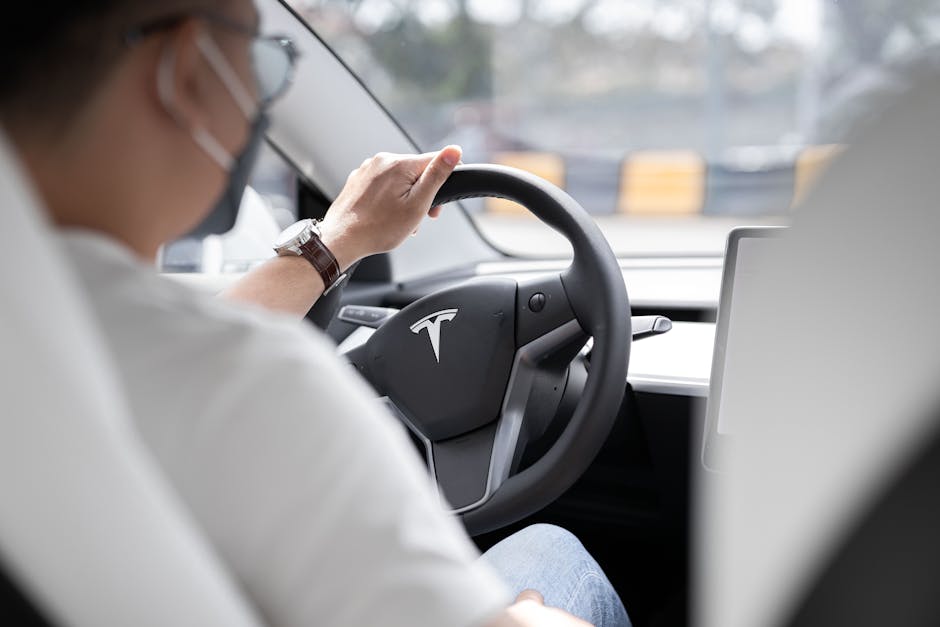
- Stock volatility impacts broader tech and index funds directly.
- Cybercab hype does not equal immediate consumer availability.
- Wall Street remains sharply divided on autonomous timelines.
- Check live brokerage quotes before making any financial moves.
How Did Tesla Stock React to the Cybercab Event?
Tesla shares swung wildly following the Cybercab unveiling, leaving everyday investors wondering how to react. But market reactions to high-profile product reveals rarely match the actual underlying business reality. So if you hold shares in a mutual fund or a retirement account, you likely saw sudden portfolio turbulence. Wall Street analysts immediately split into opposing camps over production timelines. Some predicted massive disruption, while others warned of regulatory hurdles. Checking your specific brokerage app will show you the exact percentage shift for today. Yet panic buying or selling usually harms your long-term returns more than the news itself.
Should you buy Tesla stock right now?
Buying shares immediately after a major media event often means paying a peak hype tax. But the real question is whether autonomous ride-hailing fits your personal risk tolerance. Tesla trades at a steep price-to-earnings ratio compared to traditional automakers like Ford or General Motors. So you are paying heavily for future promises rather than current car sales. And most financial advisors suggest keeping speculative stocks to a small fraction of your total portfolio. But if you already own shares, holding steady is usually safer than reacting to single-day price drops.
When can you actually buy a Cybercab?
You cannot purchase a Cybercab for your own driveway anytime soon. Tesla designed these vehicles specifically for a coming autonomous fleet service rather than personal ownership. So the timeline depends entirely on regulatory approval in cities like Austin or San Francisco. Competitors like Waymo already operate driverless commercial fleets in several major metropolitan areas. But Tesla plans to bypass traditional lidar sensors in favor of camera-only vision systems. This approach keeps production costs lower, but it also faces intense regulatory scrutiny from federal safety agencies.
How does this affect your retirement account?
Millions of index fund investors own Tesla shares without even realizing it. Popular funds like the S&P 500 allocate a significant percentage of their holdings to the company. So when the stock jumps or drops after a major event, your retirement account moves with it. But broad market funds cushion you against individual company crashes. And that diversification is your best protection against tech sector volatility. So you do not need to overhaul your entire retirement strategy based on a single product launch.
What are the major risks to watch out for?
Autonomous vehicle technology faces massive legal and technical roadblocks that no single event can solve. Safety regulators demand millions of miles of collision data before approving steering-wheel-free cars for public roads. So delays are almost guaranteed in this sector. But the financial downside is just as real for retail investors. If production timelines slip by even a few years, stock valuations can correct sharply downward. So never invest money you might need within the next three to five years.
How do competitors compare on pricing?
Tesla aims for a production cost under thirty thousand dollars per Cybercab to maximize fleet profitability. But traditional automakers are struggling to make electric vehicles profitable at scale right now. So hitting those aggressive pricing targets remains a massive operational challenge. Meanwhile, public transit options and traditional ride-share apps cost a fraction of what early autonomous fares might charge. But personal vehicle ownership still costs the average American over ten thousand dollars annually in insurance, maintenance, and gas.
Add NewsPulse Time as a preferred source on Google
Frequently asked questions
Tesla shares dropped following the Cybercab unveiling due to investor concerns over the lack of a concrete timeline for fully autonomous commercial operations.
Whether to buy Tesla stock depends on your risk tolerance and belief in long-term autonomous technology adoption, as short-term market volatility remains high.
Tesla aims to begin producing the Cybercab before 2027, though regulatory approval timelines for autonomous driving without a steering wheel remain uncertain.
Related reading

FreeCast Named Best Streaming Technology Platform of 2026
Gelion Sulfur Battery Technology: Advancing High-Power EV Performance

The Evolution of Battery Technology and American Energy Innovation