Choosing Between Stock Market and Alternative Investments
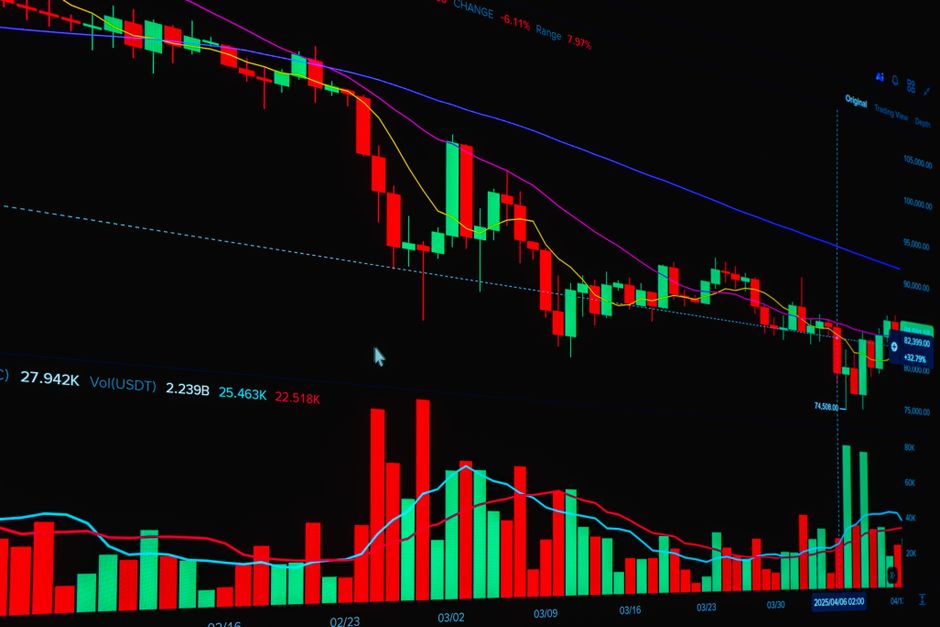
- Stocks offer higher long-term growth but come with significant daily price swings.
- Bonds provide predictable income but can lose value if interest rates rise.
- Cash equivalents like high-yield savings accounts are best for short-term goals.
- A balanced portfolio usually holds a mix of these assets to manage risk.
Why the stock market is a cornerstone of long-term wealth building
The stock market remains the primary engine for long-term wealth, but it is not the only option. As of September 21, 2026, equities offer the potential for inflation-beating returns that cash and bonds simply cannot match. However, this growth comes with volatility that can wipe out gains in a single afternoon. If you need your capital within three years, the stock market is often too risky for your goals. Check your preferred financial news outlet for the latest S&P 500 closing price to gauge current market momentum. Investors must weigh the desire for higher gains against the reality of potential losses. For most people, the answer depends on their specific timeline and their stomach for risk.
Comparing high-yield savings accounts and stock market returns
Savings accounts are for safety, not for building long-term wealth. When you park money in a high-yield savings account, you are effectively protecting your principal from market dips. But you might lose purchasing power once inflation is factored into the equation. Stocks historically outperform savings accounts over any ten-year period. But remember, the market can drop 20% in a year while a savings account will always show a positive balance. You should keep six months of living expenses in a liquid account. After that, look toward equities for growth. It is a trade-off between the security of cash and the compounding power of ownership in public companies.
Proven strategies for diversifying an investment portfolio
Bonds are often viewed as the steady hand in a volatile portfolio. They pay interest at regular intervals, providing a predictable income stream that stocks rarely guarantee. Yet, bonds are not immune to losses. If interest rates climb, the market value of your existing bonds will fall. This is known as interest rate risk. Many investors today use a '60/40' split, putting 60% in stocks and 40% in bonds. This structure aims to capture growth while smoothing out the rough edges of market cycles. Before buying bonds, check current Treasury yields to see if the payout justifies the lock-in period. You are trading potential stock upside for the comfort of a fixed return.
How to conduct a personal investment risk assessment
The biggest downside to the stock market is the lack of a guarantee. You could buy a diversified index fund today and find your account balance lower in a month. This is the price you pay for the chance to beat inflation over the next decade. Unlike a certificate of deposit, there is no government insurance on your brokerage account. If you panic and sell during a downturn, you turn a paper loss into a real one. Markets reward patience, but they punish those who act on fear. Never invest money you might need for an emergency, a house down payment, or tuition in the next few years.
How to balance your portfolio for long-term growth
Most successful investors don't pick just one asset. They build a mix that matches their age and their goals. A young investor might hold 90% in stocks, while someone near retirement might shift toward bonds and cash. Start by determining when you need the money. If the goal is twenty years away, lean heavily into equities. If you need the cash soon, stick to fixed-income assets or high-yield savings. Rebalance your holdings once or twice a year to maintain your target allocation. This keeps you from becoming too exposed to one specific type of risk.
Frequently asked questions
Alternative investments are assets that fall outside traditional categories like stocks, bonds, and cash. Common examples include real estate, private equity, commodities, hedge funds, and collectibles.
The stock market generally offers higher liquidity and regulatory oversight compared to many alternative investments. However, alternative assets can provide lower correlation to market swings, which may help mitigate overall portfolio volatility.
A properly balanced portfolio aligns with your specific risk tolerance, time horizon, and financial goals. It typically involves spreading capital across various asset classes to ensure that no single market event can jeopardize your long-term wealth.