Soft Robotic Enteroscope for Precise Small Intestine Biopsies
- MIT engineers designed a robotic enteroscope to navigate the small intestine.
- The device uses snake-like locomotion and kirigami-inspired sleeves for traction.
- It aims to simplify biopsies, drug delivery, and polyp removal.
- The current standard, double balloon enteroscopy, is slow and manually intensive.
- The research is currently in the preprint stage and has not undergone peer review.
Can a soft robotic enteroscope simplify a small intestine biopsy?
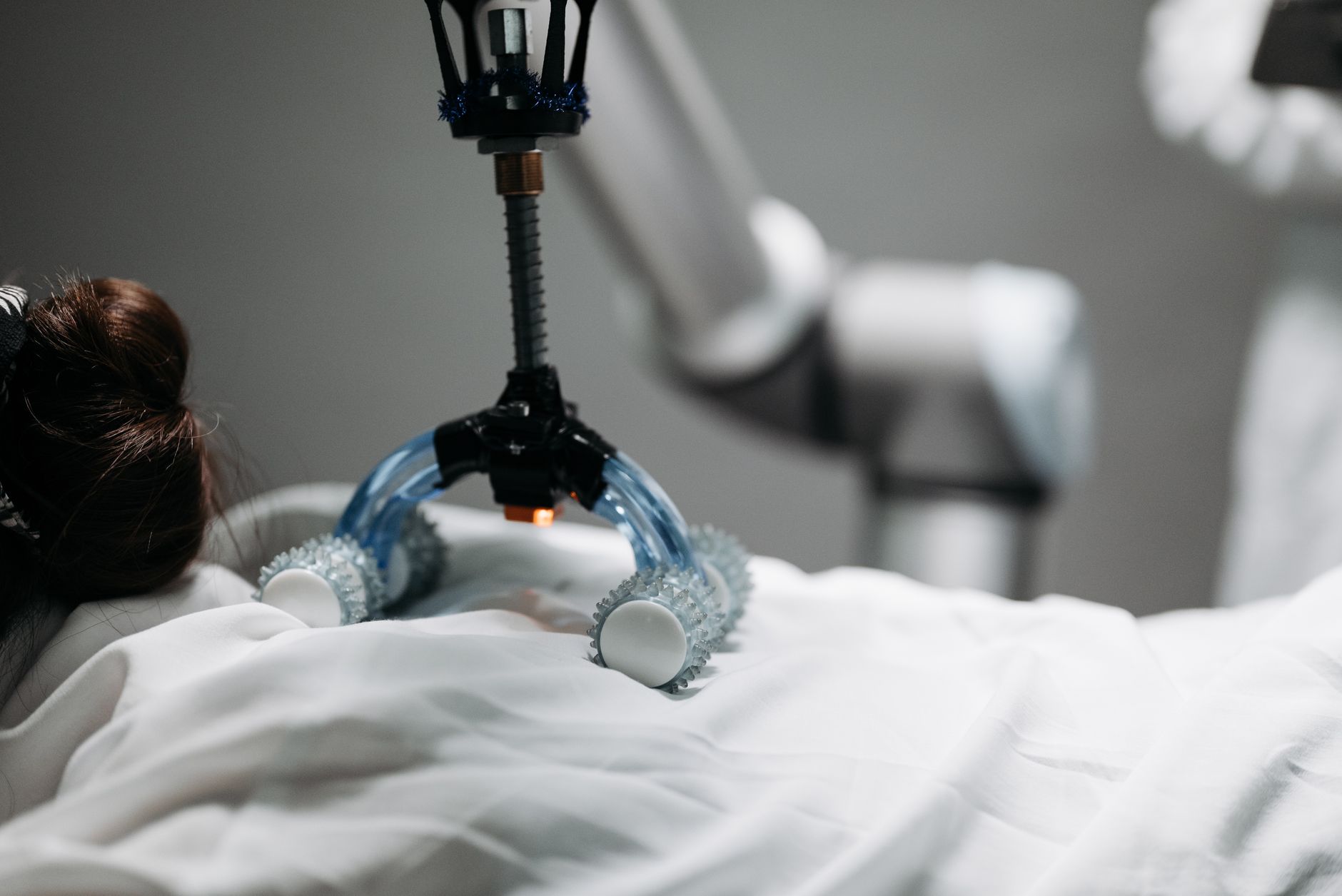
MIT engineers have developed a robotic enteroscope designed to assist medical professionals in the diagnosis and treatment of small intestine disorders. This device is capable of inching through the small intestine to simplify drug delivery, perform biopsies, and remove polyps or tissue samples. MIT engineers have developed a robotic enteroscope designed to assist medical professionals in the diagnosis and treatment of small intestine disorders.
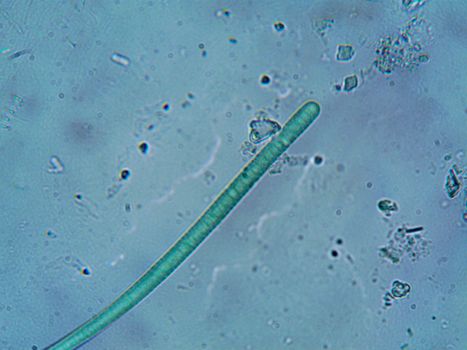
Coeliac disease is a chronic autoimmune condition that primarily impacts the small intestine. It is triggered by an abnormal immune system reaction to gluten, a protein found in grains like rye, barley, and wheat.
Why is the small intestine difficult to access?
The small intestine is challenging to access for medical procedures because it is located deep within the body. According to news.mit.edu, the organ is over 20 feet long and only an inch in diameter. These physical constraints make it difficult for medical professionals to reach and treat the area.
How does the soft robot move through the body?
The robot moves through the body using locomotion modeled after a snake. It utilizes multifunctional actuators with four chambers that inflate to steer the device, and kirigami-inspired textured sleeves provide traction against the intestinal lining.
According to news.mit.edu, the soft robot is tethered to an external controller by a cable. The device is engineered for entry into the body via the mouth or the rectum.
How does this improve upon current medical procedures?
The current standard for diagnosing small intestine complications is double balloon enteroscopy. According to news.mit.edu, this is a slow and laborious procedure where a health care worker manually inflates and deflates two balloons to propel the scope. The robotic enteroscope aims to simplify these processes compared to this manual method.
Is this technology ready for clinical use?
As of October 28, 2026, the information regarding this device comes from a preprint or press release that has not yet undergone peer review.
While this robotic technology remains in development, other clinical research regarding the intestine is ongoing. The National Cancer Institute is sponsoring a phase III clinical trial, NCT02912559, which is currently in an "ACTIVE_NOT_RECRUITING" status. This trial, which began on October 16, 2017, compares combination chemotherapy—using oxaliplatin, leucovorin calcium, and fluorouracil—with a combination of that chemotherapy and the immunotherapy drug atezolizumab for patients with stage III colon cancer.
Researchers are also conducting observational studies, such as the "Malignant Polyp Registry" (NCT07619079), which began recruiting participants on May 19, 2026. This registry aims to understand the risks of cancer returning or spreading after the removal of malignant colorectal polyps during a colonoscopy. As an observational study, the Malignant Polyp Registry does not provide treatment; instead, researchers collect medical records, imaging, and pathology reports to understand how patients and doctors decide between surgery or close monitoring.
- A soft robot could help doctors diagnose and treat disorders of the small intestine — MIT, Oct 28, 2026
- A soft robot could help doctors diagnose and treat disorders of the small intestine — MIT News, Oct 28, 2026
- A soft robot could help doctors diagnose and treat disorders of the small intestine — news.mit.edu
- Combination Chemotherapy With or Without Atezolizumab in Treating Patients With Stage III Colon Cancer and Deficient DNA Mismatch Repair — clinicaltrials.gov
- Malignant Polyp Registry — clinicaltrials.gov
- Coeliac disease (Wikipedia — background) — Wikipedia
Add NewsPulse Time as a preferred source on Google
Frequently asked questions
The robot utilizes snake-like locomotion with four-chamber actuators that inflate to steer the device. It also features kirigami-inspired textured sleeves that provide necessary traction against the intestinal lining. The device is tethered to an external controller and is designed to enter the body through either the mouth or the rectum.