Serie A Financial Reforms and the Future of Italian Soccer
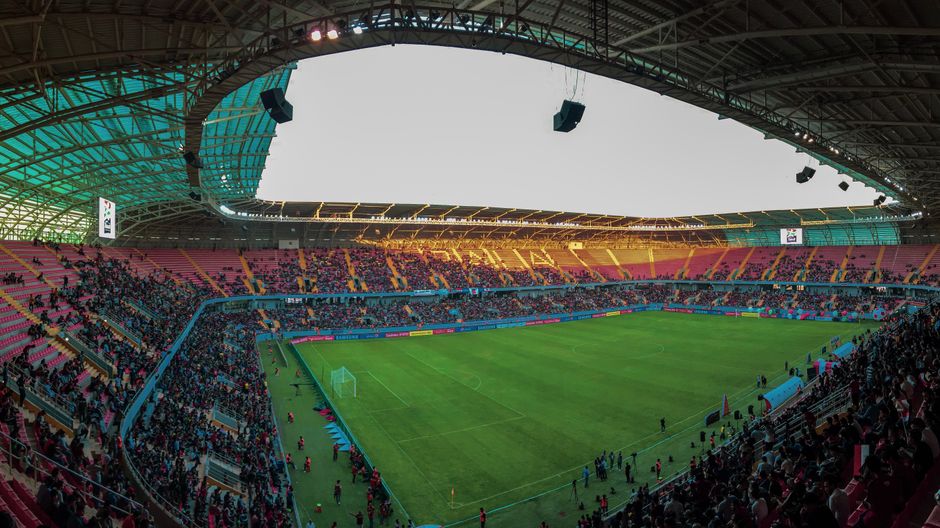
- Clubs are shifting toward strict wage-to-revenue ratios to ensure financial health.
- The 2026/27 season prioritizes homegrown talent over high-cost veteran transfers.
- New international broadcast strategies aim to close the revenue gap with other leagues.
- Smaller clubs face increased pressure to develop players rather than buying them.
Why rising debt is forcing a shift in Italian football strategy
Serie A has shifted its focus toward financial sustainability and a more aggressive international media strategy to compete with the English Premier League. Clubs now operate under stricter wage-to-revenue ratios, which forces teams to prioritize youth development over expensive veteran signings. This pivot aims to stabilize long-term debt while increasing the league's global reach. For fans, this means a leaner, more competitive league where tactical discipline often outweighs raw spending power. The shift is already visible in the 2026/27 season rosters, which feature significantly more academy-grown players than in previous years. It is a calculated gamble to ensure the league's survival in an era where massive capital injections are becoming the norm elsewhere.
How Serie A is executing its new international growth strategy
The primary driver for these changes is the need to reduce systemic debt across Italian football. Historically, many clubs relied on owner subsidies to cover operational losses. Under the current framework, teams must prove they can cover their costs through broadcast rights, sponsorships, and player sales. This prevents the boom-and-bust cycles that previously threatened the survival of historic clubs. If a team fails to meet these thresholds, they face penalties ranging from transfer bans to point deductions. Check the official Lega Serie A transparency reports for the specific compliance status of your favorite club.
What new Serie A sustainability rules mean for matchday fans
Broadcasting rights have moved toward a hybrid model that blends traditional cable distribution with direct-to-consumer streaming options. This change is intended to make matches more accessible to international audiences who previously struggled to find legal streams. The league is currently testing localized commentary and interactive stats overlays to keep viewers engaged throughout the ninety minutes. You should check your local sports provider's website to see if your specific region has moved to the new platform as of September 2026. This allows the league to bypass third-party gatekeepers and retain more revenue.
Which teams benefit from these changes?
Clubs with strong youth academies stand to gain the most from this environment. Teams like Atalanta and Empoli, which have spent years building infrastructure for player development, now find themselves with a competitive advantage. Instead of losing money on aging stars, they produce talent that they can either use on the pitch or sell for profit. This creates a cycle of self-sustaining growth that the league hopes will serve as a model for everyone else. But, it does mean that the traditional big clubs must adapt their recruitment strategy significantly to remain at the top.
How can international fans follow the action?
Following the action in 2026 requires checking the current rights holder in your country, as these agreements vary by region. Many fans now use the official league app to track real-time standings and goal highlights. If you want the most up-to-date schedule, head to the official Serie A website. It provides a comprehensive list of broadcasters for every territory. Don't rely on third-party social media clips, as these are often taken down quickly due to strict copyright enforcement by the league.
What is the downside for traditional clubs?
The biggest downside is the loss of star power on the pitch. Fans who are used to seeing world-class veterans in Italian stadiums might find the roster changes disappointing. With lower wage caps, the league cannot compete with the massive contracts offered by clubs in the Middle East or England. This leads to a higher turnover rate for players, as successful young stars often leave for larger leagues after just one or two breakout seasons. It is a frustrating reality for supporters who want to see their favorite players retire at their home clubs.
Frequently asked questions
Serie A has implemented stricter financial controls, including debt-to-revenue ratios and mandatory investment in youth academies, to ensure long-term solvency for all clubs.
The league is shifting toward centralized media rights deals, expanded global marketing partnerships, and digital content strategies to increase its footprint in international markets.
While clubs are prioritizing financial sustainability, the strategy is shifting toward scouting younger talent and developing home-grown players rather than relying solely on high-cost, short-term transfers.