Investing in Sensex Index Funds: Is It Right for You?
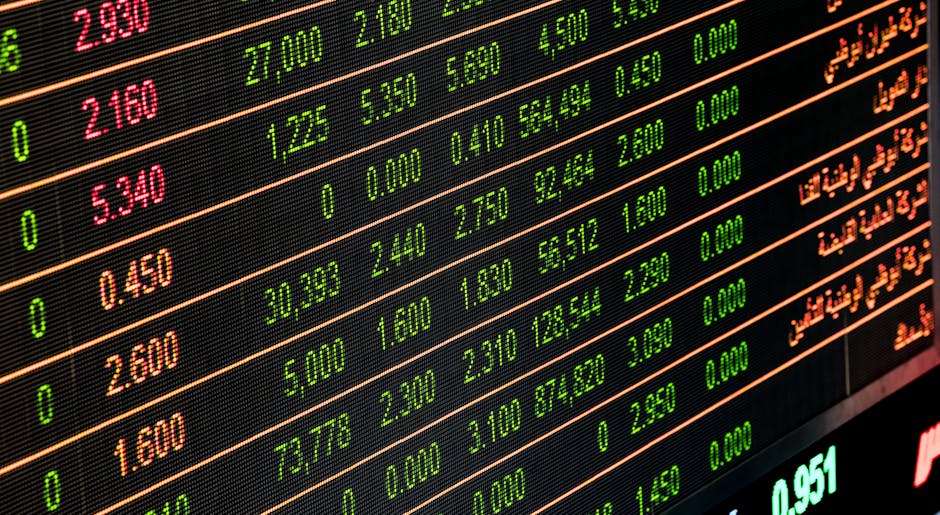
- The Sensex tracks 30 of India's largest, most established companies.
- It provides instant diversification but lacks exposure to high-growth small-caps.
- Index funds tracking the Sensex usually have lower fees than active mutual funds.
- Market volatility remains high compared to developed global indices.
What is the BSE Sensex Index?
The Sensex is a solid choice for broad exposure to India’s largest companies. It isn't a shortcut to guaranteed wealth, as it tracks 30 of the most established firms to provide a simple way to bet on the growth of the broader Indian economy. You won't find the explosive volatility of speculative small-cap stocks here. But you also won't find the safety of a diversified global portfolio, which means your risk is concentrated in a single, emerging market. If you want to park money for the long term without obsessing over daily picks, it works. Just don’t expect it to replace your entire investment strategy, because it is a foundational piece rather than the whole puzzle.
How Do the 30 Sensex Companies Influence Portfolio Performance?
The name stands for the Sensitive Index. It covers 30 of the largest, most financially sound companies listed on the Bombay Stock Exchange. These firms represent major sectors like banking, information technology, and energy. Because it focuses on these blue-chip giants, it serves as the primary gauge for the overall health of the Indian market. You aren't buying a random basket of stocks. You are buying the companies that drive the nation's GDP. This provides a level of stability that smaller indices lack, yet it remains tied to the specific economic cycle of one country. You should check the current sector weighting before investing to ensure it aligns with your goals.
Is Investing in the Indian Stock Market Right for Your Portfolio?
Concentration is the biggest trap for new investors. When you buy a Sensex index fund, you are betting heavily on 30 specific entities. If the banking sector struggles, your entire portfolio feels the sting immediately. And you don't get the benefit of small-cap growth, which often outperforms the giants during bull runs. It is not an all-weather investment. You will see sharp drops during market corrections. According to historical market data, these dips can be steep. You need the stomach to hold through 20% swings if you want to see the long-term gains. Don't assume that because these are big companies, they are immune to market crashes.
Sensex Risk and Returns: A Long-Term Strategy Analysis
Active mutual funds often promise to beat the Sensex, but they charge higher fees to do it. You pay for the fund manager’s time and research. But most managers struggle to outperform the index after those fees are deducted. An index fund tracking the Sensex typically charges a fraction of an active fund’s expense ratio. So, you keep more of your returns. But compare the expense ratios yourself before you buy. A small difference in fees can compound into significant losses over twenty years. Always look at the total expense ratio on the fund's official documentation before committing your capital.
Frequently asked questions
Sensex tracks the top 30 companies listed on the Bombay Stock Exchange (BSE), while Nifty 50 tracks the top 50 companies on the National Stock Exchange (NSE). Both serve as benchmarks for the Indian equity market.
You cannot invest directly in an index. Instead, you can gain exposure by purchasing Sensex-linked index funds or Exchange Traded Funds (ETFs) offered by various asset management companies.
While all equity investments carry market risk, Sensex index funds are often used for long-term strategies because they provide instant diversification across 30 of India's largest and most established companies.