Reducing Workplace Violence in Senior Care Facilities
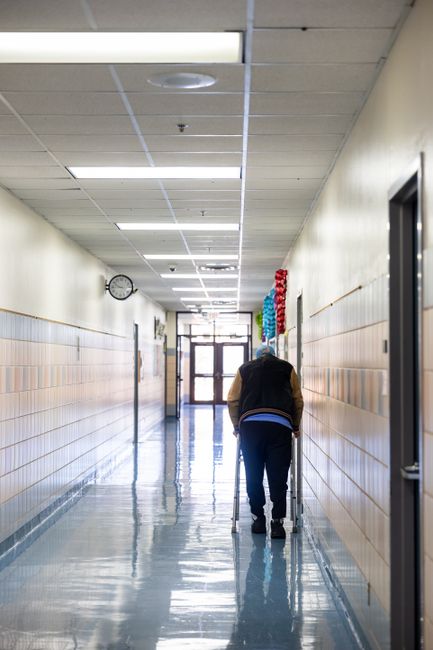
- Move from reactive discipline to proactive environmental assessment.
- Prioritize early warning signs over incident reporting alone.
- Identify specific triggers within common resident interactions.
- Acknowledge that policy alone cannot solve violence without cultural buy-in.
Why is proactive workplace violence prevention necessary?
Workplace violence in senior care requires moving from reactive punishment toward a proactive, environmental safety framework. According to recent guidance from McKnight’s Long-Term Care News, the goal is to stop incidents before they escalate by analyzing physical and social triggers. You can no longer rely on incident reports filed after the damage is done. Instead, the focus shifts to auditing the environment for sensory overload, unmet needs, or staff-to-patient friction. This framework means you spend less time filling out paperwork and more time identifying the specific conditions that precede aggression. It’s about creating a predictable space where both residents and staff feel secure.
How to identify environmental triggers in senior care?
Most facilities treat violence as a disciplinary issue rather than a systemic failure. When an incident occurs, the standard response is to document the event and reprimand the aggressor. But this approach ignores the underlying root causes, like delirium, pain, or environmental stressors. If you only track the violence, you miss the patterns that lead to it. Research suggests that nearly 40% of violent events are preceded by identifiable behavioral changes that go unnoticed in high-stress environments. This cycle creates a culture of fear where staff expect the worst. Simply changing the forms you fill out won't fix the underlying safety gaps.
What are the benefits of improved senior care staff safety?
You must shift your focus to the micro-moments that happen before a resident lashes out. Look for changes in gait, vocal volume, or repetitive physical movements that signal distress. These are not just quirks; they are data points. If a resident consistently becomes agitated during a specific time of day or during personal care tasks, that is a clear trigger. By identifying these patterns, you can adjust your care schedule to minimize tension. It sounds simple, but it requires a change in how you observe your surroundings. Start documenting these shifts in behavior, not just the violent outbursts.
How to implement proactive safety protocols in your facility
Training programs often fall short because they focus on physical intervention rather than prevention. You might learn how to block a strike, but that doesn't prevent the strike from happening in the first place. The downside of heavy focus on physical defense is that it reinforces a 'fight or flight' mindset among staff. Real safety comes from redesigning the space to reduce noise and agitation. If your facility ignores the physical environment while emphasizing de-escalation training, you are setting staff up for failure. True safety requires both the technical skills and the organizational commitment to change the facility layout.
Addressing the operational trade-offs of safety frameworks
Adopting this preventative framework is not free. It demands significant time from floor staff to conduct behavioral assessments and environmental audits. You might find that your daily task list feels heavier because you are now responsible for identifying risk factors as much as providing clinical care. Management must decide if they are willing to accept lower productivity metrics in exchange for higher safety standards. If leadership pushes for speed over observation, this framework will inevitably fail. You cannot prioritize efficiency and safety at the exact same time.
How to maintain daily safety standards in senior care
You are the primary sensor for this framework. Because you are on the floor, you see the subtle shifts in behavior that management might miss. Use your voice to highlight these patterns during shift changes. If you notice a resident is agitated by a specific noise or a particular staff interaction, speak up before an incident occurs. Your observations are the most valuable data point in the system. Don't wait for a formal request to share what you see. Take ownership of your environment by being the one who notices the warning signs first.
Frequently asked questions
Common environmental triggers include high noise levels, overcrowding, lack of personal space, unmet physical needs, and poorly lit or confusing facility layouts that increase patient agitation.
A proactive framework reduces physical injury rates, lowers staff burnout and turnover, improves morale, and creates a more predictable, secure environment for daily care delivery.
The primary trade-off is the initial investment of time and resources required for staff training and facility redesign, which may temporarily impact daily operational workflows.