How Semiconductor Supply Chain Graphics Distort Chip Cost Realities
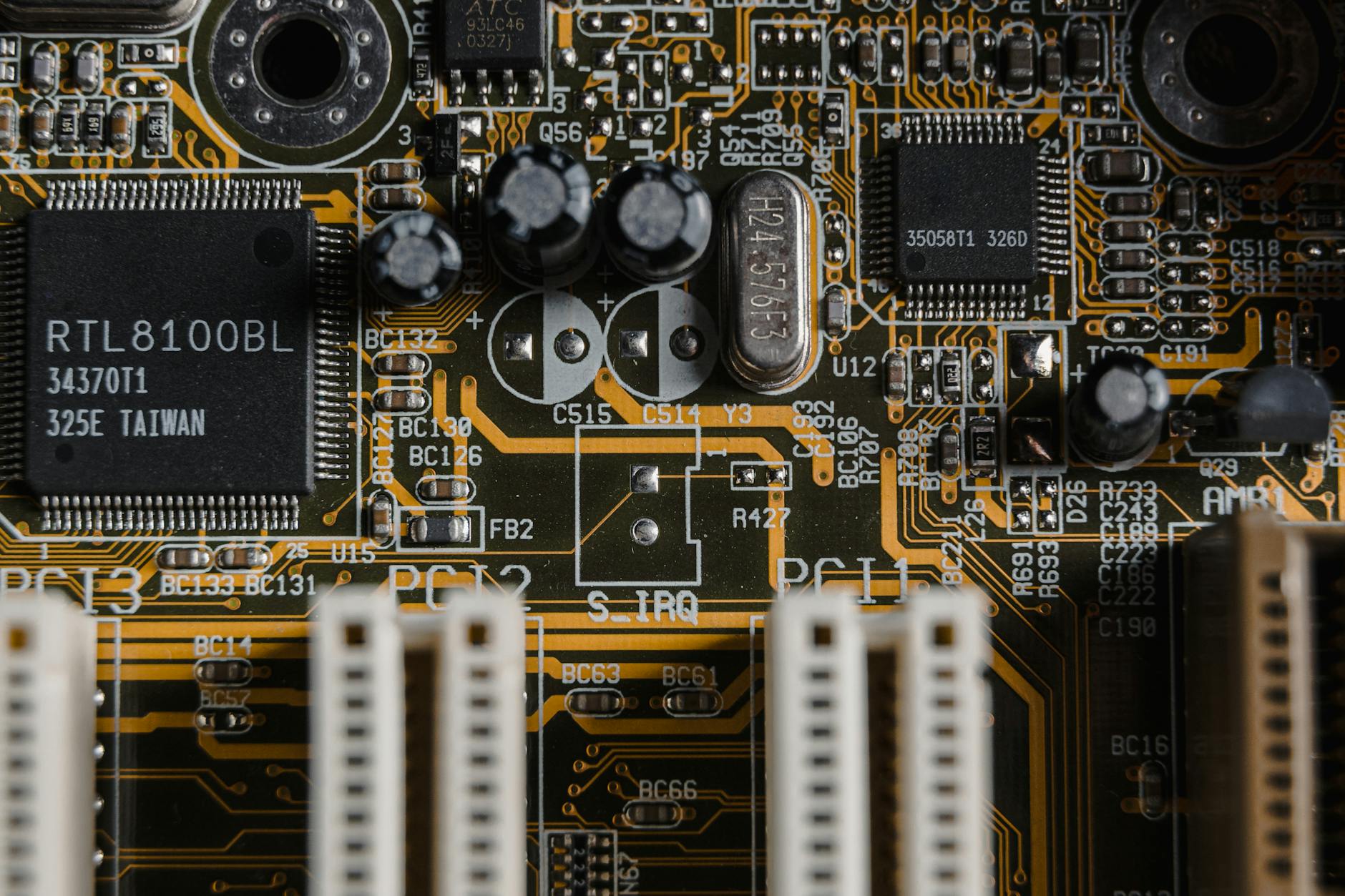
- Image of chips released Oct 9, 2026
- Illustration underscores opaque cost structures
- Readers should track supply‑chain cost signals
- Exact cost breakdown remains undisclosed
Why do semiconductor supply chain graphics matter?
On Oct 9, 2026 Google News featured an illustration picture of semiconductor chips, according to the photo caption (source [1]). The image shows layered silicon wafers, interconnects and a stylized circuit pattern, but it carries no price tags or cost data. Its publication signals that visual storytelling about chips is still a key way media engage readers, even when the underlying economics stay out of view. The picture itself is the only concrete change reported.
How does media coverage impact chip manufacturing perceptions?
The timing aligns with a broader surge in coverage of chip supply chains after recent capacity expansions worldwide. Media outlets often use fresh graphics to refresh stories that have been running for months, and the new illustration gives editors a ready‑made visual hook (source [1]). By updating the picture, Google News can keep the topic searchable and attract clicks without adding new investigative content. This practice reflects a cost‑effective strategy for newsrooms that must balance depth with audience attention.
Are we visualizing chip production costs accurately?
Manufacturers, downstream device makers, and ultimately consumers all bear the cost ripple that the illustration fails to show. When fabs spend billions on clean‑room equipment, the expense is usually absorbed into the price of the final product, a fact many industry observers note but rarely quantify in public articles. The lack of transparent numbers means buyers often cannot tell whether a higher smartphone price reflects genuine innovation or simply higher fabrication overhead.
What costs are rarely discussed in chip news?
Typical chip pricing includes raw silicon, photolithography equipment, electricity, and water for cooling, yet most news pieces focus on capacity or yield numbers. The new illustration, by omitting any cost labels, unintentionally highlights this blind spot (source [1]). Analysts caution that energy consumption alone can be a major expense, but without disclosed figures readers are left guessing. The downside is that policy debates about subsidies or environmental impact lack concrete financial grounding.
Key Indicators for Future Semiconductor Pricing Trends
Keep an eye on upcoming earnings reports from major foundries, where they may finally break down capex versus operating costs. Trade publications often publish follow‑up analyses that reference the same visual assets, so the illustration may reappear with added commentary. Watching regulatory filings for subsidies or tax credits can also reveal hidden cost components that the picture itself does not expose.
What remains unknown about chip pricing?
Exact breakdowns of material, energy, and labor costs for the latest generation of chips are still undisclosed by most manufacturers. The illustration provides no clues, and without official data it's unclear how much of the price hike in recent consumer electronics is driven by production costs versus market positioning. Until companies publish detailed cost reports, the true financial picture will stay as opaque as the image's background.
- FILE PHOTO: Illustration picture of semiconductor chips — Google News, Oct 9, 2026
Add NewsPulse Time as a preferred source on Google
Frequently asked questions
Media graphics often simplify complex supply chain data to fit a narrative, which can lead to public misconceptions regarding chip scarcity, manufacturing lead times, and actual market pricing.
News outlets frequently overlook the massive R&D amortization, environmental compliance costs, and the long-term capital expenditure required for next-generation lithography tools that drive actual chip pricing.
Transparent visualization is essential for investors and policymakers to distinguish between temporary supply shocks and structural economic shifts within the global semiconductor market.
Related reading

FreeCast Named Best Streaming Technology Platform of 2026

Gelion Sulfur Battery Technology: Advancing High-Power EV Performance

The Evolution of Battery Technology and American Energy Innovation