Do Elon Musk's Claims About Semiconductor Cleanroom Standards Hold Up?
- Elon Musk is proposing a shift in how semiconductor cleanrooms are maintained.
- The idea includes allowing food and tobacco inside active manufacturing environments.
- The goal is to challenge whether current industry standards are overly restrictive.
- Feasibility remains unproven and faces significant technical hurdles.
Why Are Semiconductor Fabrication Protocols So Strict?
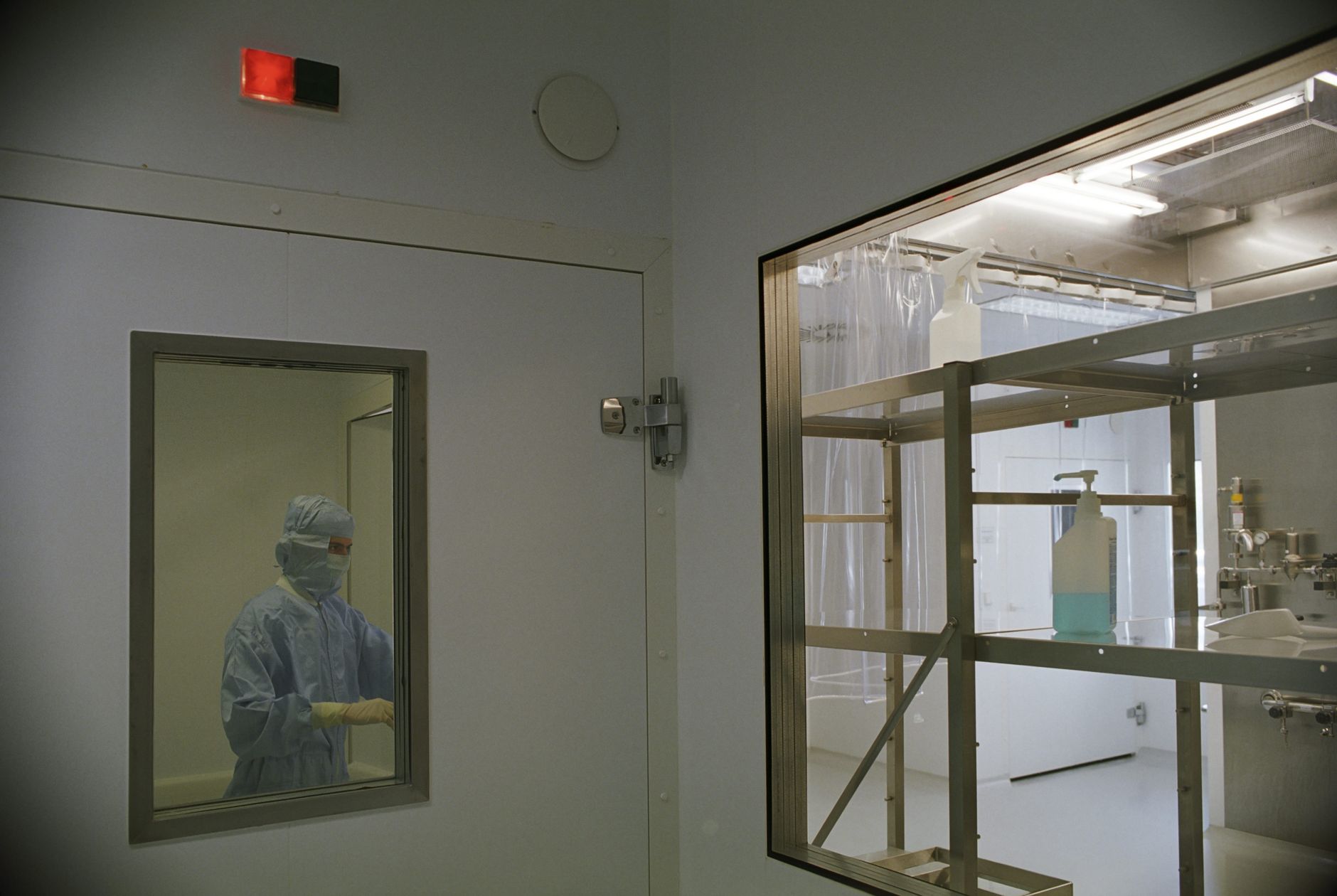
Elon Musk is challenging the rigid standards of semiconductor manufacturing by suggesting that cleanrooms could eventually accommodate habits like eating and smoking. According to the report in Google News [1], this approach aims to question whether current industry protocols are truly necessary for modern chip production. While traditional chip fabrication requires near-perfect environments to prevent microscopic contamination, Musk suggests that current standards might be overly cautious or outdated. Whether this leads to a genuine reinvention of the manufacturing process or remains a theoretical provocation depends on future engineering breakthroughs. If he succeeds, it could lower operational costs significantly, but it risks compromising the delicate chemical balance required for high-end silicon fabrication.
Can Cleanroom Environment Requirements Be Safely Reduced?
The semiconductor industry currently operates under some of the most stringent cleanliness requirements in the world. According to standard industry practices, even a single particle of dust can ruin an entire wafer of chips. Musk's proposal attempts to re-evaluate these constraints to see if manufacturing can become more flexible or cost-effective. By questioning the necessity of these extreme environments, he is looking for ways to streamline operations. But changing these protocols is not just about convenience. It is about testing if modern technology can survive in less controlled conditions. If successful, it would mark a massive departure from decades of established scientific procedure.
How Will Future Chip Production and Operational Costs Evolve?
This proposal primarily impacts semiconductor foundries and the specialized workforce that maintains these high-tech environments. If cleanroom standards are relaxed, the daily lives of engineers and technicians would change overnight. Operators would no longer need to navigate the current, strict gowning and air-shower procedures that define their work. However, the risk of production failure could increase for any company attempting to adopt these looser standards. Industry competitors will likely monitor these developments closely to see if there is any merit to the claim. It is a high-stakes experiment that could alter how the world builds processors.
What Readers Should Watch Next
Keep an eye on any technical papers or pilot programs that attempt to implement these changes. Since current chip yields depend heavily on strict contamination control, any move to loosen these rules will require extensive testing. Watch for responses from industry leaders who manage existing fabrication facilities. They will likely provide the most grounded perspective on whether these ideas are physically possible. Until a functional chip is produced in such an environment, this remains a conceptual discussion. The main indicator of progress will be the success rate of any manufacturing line that actually adopts these relaxed standards.
What Is Still Unknown
Many questions remain regarding the technical feasibility of this plan. We do not know how Musk intends to manage the inevitable debris and chemical contaminants that cigars and food would introduce. The industry currently uses complex filtration systems to maintain purity. It is unclear if he plans to invent a new filtration system or ignore the current standards entirely. Furthermore, we lack a clear timeline for when or where such an experiment might take place. The proposal is currently a statement of intent rather than a confirmed manufacturing strategy.
- Elon Musk Wants to Eat Burgers and Smoke Cigars in a Semiconductor Cleanroom. Could He Reinvent Chip Manufacturing? — Google News, Oct 10, 2026
Add NewsPulse Time as a preferred source on Google
Frequently asked questions
No. Modern cleanrooms are strictly controlled environments where smoking and eating are strictly forbidden to prevent contamination. Even tiny particles can destroy high-value silicon wafers, making current cleanliness standards essential for production.
Related reading

FreeCast Named Best Streaming Technology Platform of 2026
Gelion Sulfur Battery Technology: Advancing High-Power EV Performance

The Evolution of Battery Technology and American Energy Innovation