Starlink in Rural Iowa: How 4-H Clubs Are Closing the Digital Divide
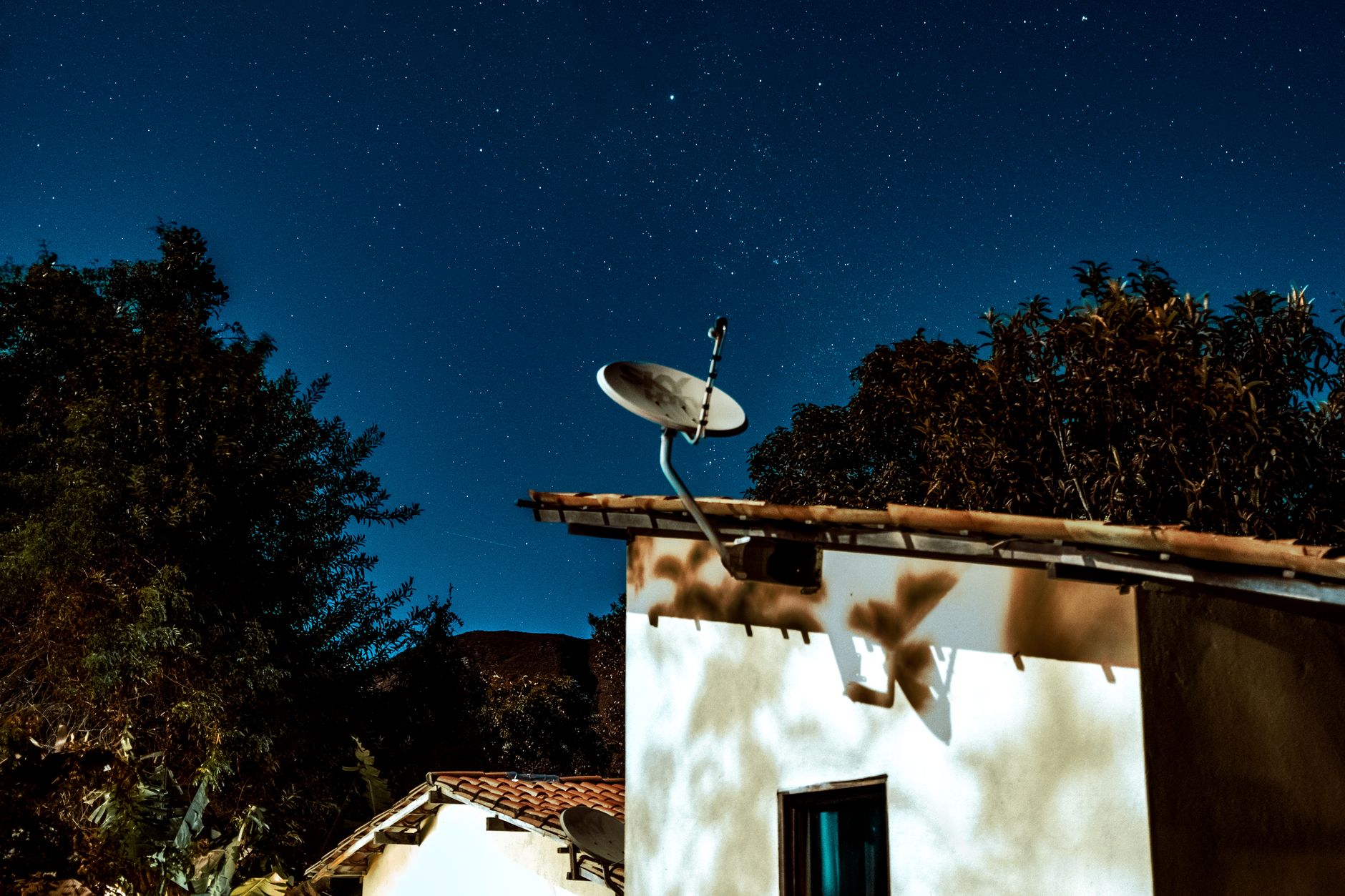
- Rural Iowa 4-H clubs are using Starlink to fix connectivity issues.
- The initiative allows members to access digital resources in low-bandwidth areas.
- Reliable internet access supports modern project-based learning for youth.
- Long-term subscription costs for these satellite services remain a consideration.
How Does Starlink Satellite Broadband Work?
As of October 11, 2026, rural 4-H clubs across Iowa have begun using Starlink satellite broadband to address persistent connectivity gaps. This shift allows youth organizations in remote areas to access high-speed internet where traditional landline services often fail to reach. According to reporting from October 11, 2026, this technology deployment aims to provide the reliable access required for digital projects and educational resources. It marks a change in how these community groups manage online participation for members in low-bandwidth zones. By moving to satellite-based systems, these clubs bypass the delays associated with traditional infrastructure expansion.
What Are the Benefits of Rural Broadband Initiatives?
Many rural Iowa areas have historically struggled with slow or inconsistent internet speeds. This limitation often prevents students from participating in modern, data-heavy 4-H programs that require stable connections. According to the October 11, 2026, reporting, the move to satellite technology provides a path around these infrastructure hurdles. It ensures that students in isolated regions can keep pace with peers in better-connected cities. The transition addresses the specific need for consistent video and cloud-based access in rural meeting halls.
How Starlink Bridges the Digital Divide in Remote Areas
The primary beneficiaries are 4-H club members and local educators in underserved parts of Iowa. Reliable internet allows these participants to join virtual meetings and access digital learning tools without interruption. According to the source material, this change directly impacts the ability of clubs to conduct projects that depend on stable connections. It lowers the barrier for rural youth pursuing technology-focused skill sets. Instructors also gain the ability to deliver updated curriculum that was previously unavailable due to poor network reliability.
Future Trends in Rural Connectivity
You should monitor whether other youth organizations in the Midwest adopt similar satellite setups. If you live in a rural area, check with your local extension office to see if they offer public access to these new connections. Keep an eye on the long-term performance of these satellite links during winter weather or heavy storms. Such conditions sometimes affect signal quality for satellite-based systems. These performance metrics will indicate if this technology remains a viable long-term solution for rural group facilities.
Challenges and Limitations of Satellite Internet
The long-term costs of maintaining these Starlink subscriptions remain a question for local clubs. It is also unclear how many specific locations have completed the switch as of October 2026. While the initial results appear positive, the total number of participants affected by this upgrade is not yet fully quantified in available reports. You should watch for future updates regarding the scale and funding of this program. Whether this model spreads to other states depends on the budget of individual clubs and the local availability of satellite hardware.
- Rural Iowa 4-H clubs are bridging technology gaps with Starlink broadband — Google News, Oct 11, 2026
Add NewsPulse Time as a preferred source on Google
Frequently asked questions
Yes, Starlink provides high-speed, low-latency satellite internet in remote areas where traditional fiber or cable infrastructure is unavailable or cost-prohibitive.
Starlink enables 4-H members to access online educational resources, participate in virtual meetings, and utilize cloud-based tools that were previously inaccessible due to poor connectivity.
The main barriers include high infrastructure installation costs, difficult geographical terrain, and low population density, which makes traditional ISP investment less profitable.
Related reading

FreeCast Named Best Streaming Technology Platform of 2026
Gelion Sulfur Battery Technology: Advancing High-Power EV Performance

The Evolution of Battery Technology and American Energy Innovation