How to Install and Optimize Your NVIDIA RTX 5090 GPU
- Verify power supply wattage against the manufacturer's label.
- Measure case clearance before attempting installation.
- Perform a clean driver installation for stability.
- Monitor thermal performance under load.
How to Verify RTX 5090 Power Supply Requirements
The 5090 is a massive component that demands both physical space and significant electrical power. You should start by verifying your power supply unit provides at least the wattage recommended by the manufacturer on the box. If your existing case is compact, you will likely need to measure the internal clearance before buying. Most users find that a clean driver install is the most important step after seating the card. This guide walks you through getting your system ready for this GPU. It is not just about raw power; it is about proper system integration. Don't rush the process if you want to avoid stability issues.
Checking RTX 5090 Case Clearance and Physical Fit
Power is the first hurdle. Check the back of your card's packaging for the exact wattage requirement suggested by the manufacturer. If your current power supply sits near that limit, your system might crash during intense gaming sessions. Adding a buffer of 150 watts is a smart move for system longevity. But don't assume your old cables will work. You need to ensure you have the correct high-wattage connector cables provided with your power supply unit. Using adapters can sometimes lead to thermal issues at the connection point.
How to Perform a Clean RTX 5090 Driver Installation
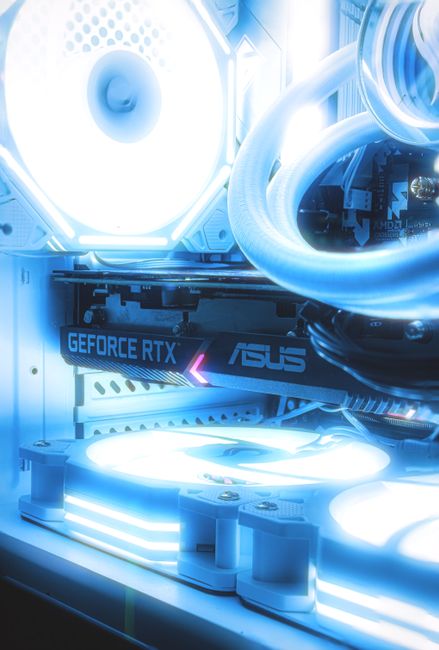
Space is often an overlooked factor with high-end hardware. You need to grab a tape measure and check the length of your PCIe slot area. If the card is too long, you might have to remove drive cages or front fans to make it fit. This creates a trade-off regarding your storage capacity or airflow configuration. Make sure the card is fully seated until you hear the retention clip click. It should feel firm and level once installed. If it sags, use a support bracket to prevent damage to your motherboard.
Essential RTX 5090 Optimization Tips for System Stability
Once the card is seated, power on your computer. You will likely see a low-resolution display until the software is ready. Go to the manufacturer's support website to download the current driver package. I prefer a clean installation to remove any remnants of previous hardware configurations. This prevents conflicts that can cause stuttering or frame rate drops. After the install finishes, restart your computer immediately. Check your device manager to ensure the card is recognized without any warning icons.
How to Monitor RTX 5090 Temperatures While Gaming
High performance generates significant heat. You should install a monitoring tool like HWInfo or the manufacturer’s own software to watch your thermal readings. A card like the 5090 will run warm, but it should stay within the limits specified in the technical manual. If you see temperatures climbing above 85 degrees Celsius, your case airflow might be insufficient. Consider adjusting your fan curves to prioritize cooling over silence. Noise is the common downside of pushing this hardware to its limit.
Is the RTX 5090 Worth the Upgrade?
The 5090 provides massive gains in rendering and frame rates compared to previous generations. It is a premium piece of hardware that demands a premium supporting system. If you aren't running a high-resolution display, you might not see the full benefit of this investment. You pay a high price for these performance levels, so ensure your monitor can actually display the extra frames. It is a powerful tool for creators and gamers alike, provided you have the supporting infrastructure to handle it.
Frequently asked questions
While requirements vary by CPU, a high-quality 1000W or higher 80 Plus Gold PSU is generally recommended to handle transient power spikes and ensure system stability under load.
Download the latest drivers from the NVIDIA website, run the installer, select 'Custom (Advanced)' installation, and check the 'Perform a clean installation' box to remove old registry entries and configuration files.
Check your PC case specifications for 'Max GPU Length' and compare it to the specific dimensions of your RTX 5090 model. Ensure you also account for the width of the power connector to avoid side-panel clearance issues.