Remote Car Starter App Security: How to Protect Your Vehicle
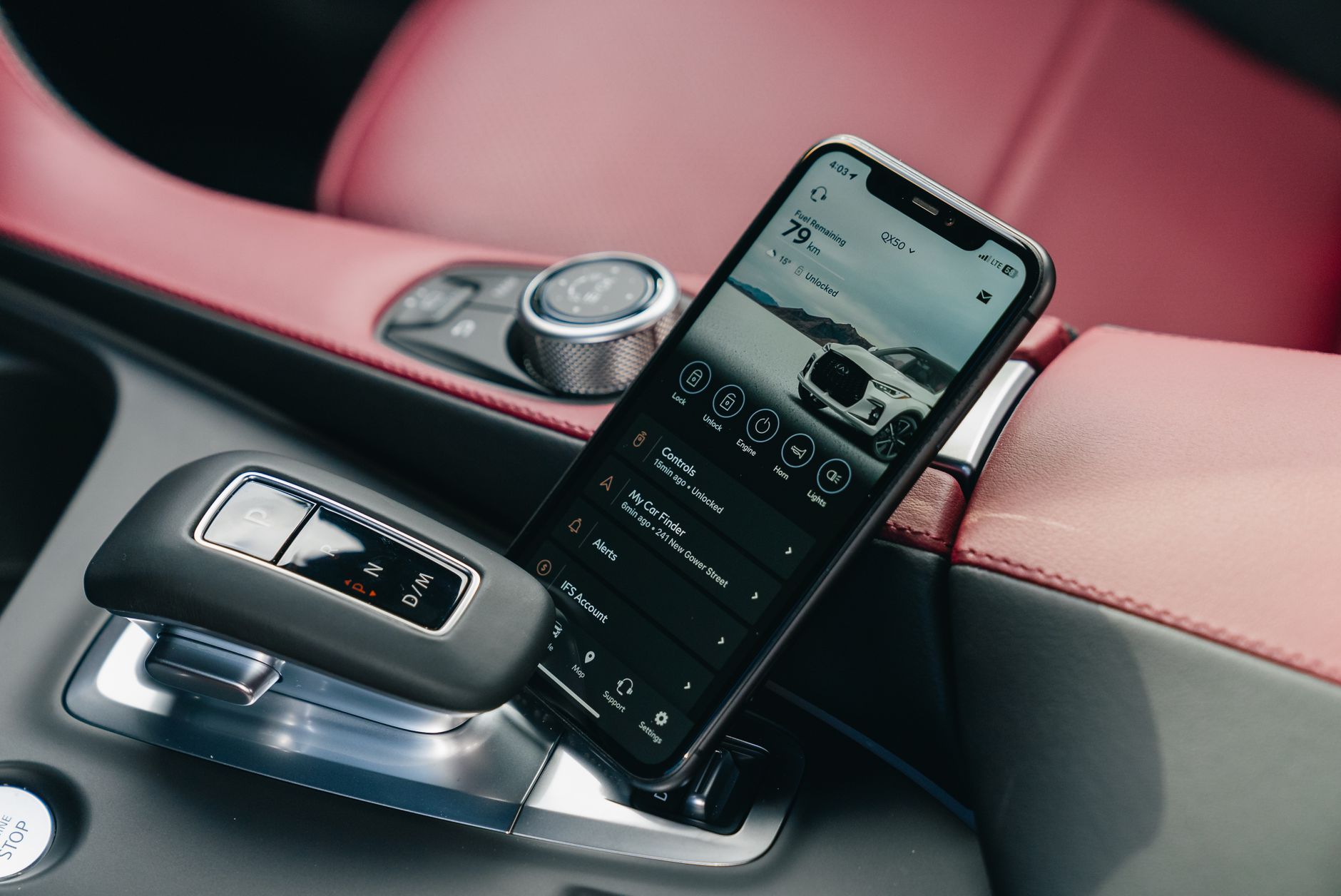
- Smartphone ignition apps are safe if you use multi-factor authentication.
- The risk is usually tied to account security rather than the car hardware.
- Regularly update your car's mobile app to patch known security gaps.
- Monitor app permissions to ensure third parties aren't accessing your data.
What are the primary security risks of remote vehicle access?
Using a smartphone app to start your car is safe, provided you follow standard cybersecurity habits. According to [1], these systems rely on encrypted connections between your vehicle and the manufacturer's servers to verify your identity. The primary risk is not the underlying technology, but rather how you manage your account access. If you protect your login with a strong password and multi-factor authentication, you significantly reduce the chance of unauthorized access. Most modern vehicles use these apps to bridge the gap between your pocket and the ignition. But, you should always monitor your app’s permissions and update the software whenever an update is available. It is a convenient tool, yet it demands the same security awareness you apply to your banking or email accounts.
How to secure car apps using multi-factor authentication
Automakers transitioned to app-based controls to offer convenience features like climate control and remote engine starting. According to [1], these features communicate through cellular networks or Wi-Fi to send commands to your car's onboard computer. This connection allows you to interact with your vehicle from virtually anywhere with a signal. While this creates a digital bridge, manufacturers build these systems with layers of encryption designed to prevent malicious actors from intercepting the signal. It functions much like a digital handshake between your phone and your car. When the handshake is verified, the engine starts. If the security protocols are bypassed or your phone is compromised, the risk increases, which is why your digital hygiene is the most important component of the setup.
Essential tips for smartphone car control security
Anyone using a connected vehicle app faces some level of exposure. According to [1], users who reuse passwords across multiple sites or ignore security notifications are the most vulnerable. If a hacker gains access to your car's account, they could theoretically gain control over features like door locks or engine ignition. It does not matter if you drive a budget model or a luxury vehicle; the security of your app account is the weakest link. Families sharing accounts should be especially careful. If multiple people have access to the same digital key, ensure everyone uses unique credentials and keeps their respective devices updated.
Why connected car cybersecurity matters for drivers
You can take immediate steps to lock down your car's digital connection. According to [1], the first step is enabling multi-factor authentication on your manufacturer's app. This forces the app to verify your identity through a second method, such as a text code or an authenticator app, before starting the engine. Next, audit your app permissions in your phone settings. Remove any unnecessary access the app might have to your contacts or location data if it is not required for basic functionality. Finally, keep your car's infotainment software updated. Manufacturers often release patches that fix vulnerabilities discovered after the car has left the lot.
What are the current limitations of vehicle app security?
Security researchers constantly find new ways to exploit connected hardware. According to [1], the long-term safety of these systems depends on how quickly automakers respond to emerging threats. It is still unclear how older models will handle future security updates as the underlying technology ages. Additionally, the industry has not yet standardized how these apps communicate, meaning security protocols vary wildly between brands. You should check your specific manufacturer's support page to see their current security policy for your model year. While the technology is generally stable today, the nature of digital security means that what is considered safe today might require new defensive measures tomorrow.
- Is it safe to use a smartphone app to start a car? Car Doctor — Google News, Oct 10, 2026
Add NewsPulse Time as a preferred source on Google
Frequently asked questions
Remote car starter apps are generally safe if you follow strict security protocols, such as using unique, complex passwords and enabling multi-factor authentication to prevent unauthorized account access.
To prevent unauthorized access, enable multi-factor authentication (MFA), use a password manager to store unique credentials, and ensure your smartphone's operating system is always updated to the latest version.
Yes, multi-factor authentication (MFA) adds a critical layer of security by requiring a second form of verification, making it significantly harder for hackers to gain access to your vehicle even if they obtain your password.
Related reading

FreeCast Named Best Streaming Technology Platform of 2026
Gelion Sulfur Battery Technology: Advancing High-Power EV Performance

The Evolution of Battery Technology and American Energy Innovation