RCAF Arctic Cruise Ship Rescue: New Strategy Cuts Response Times
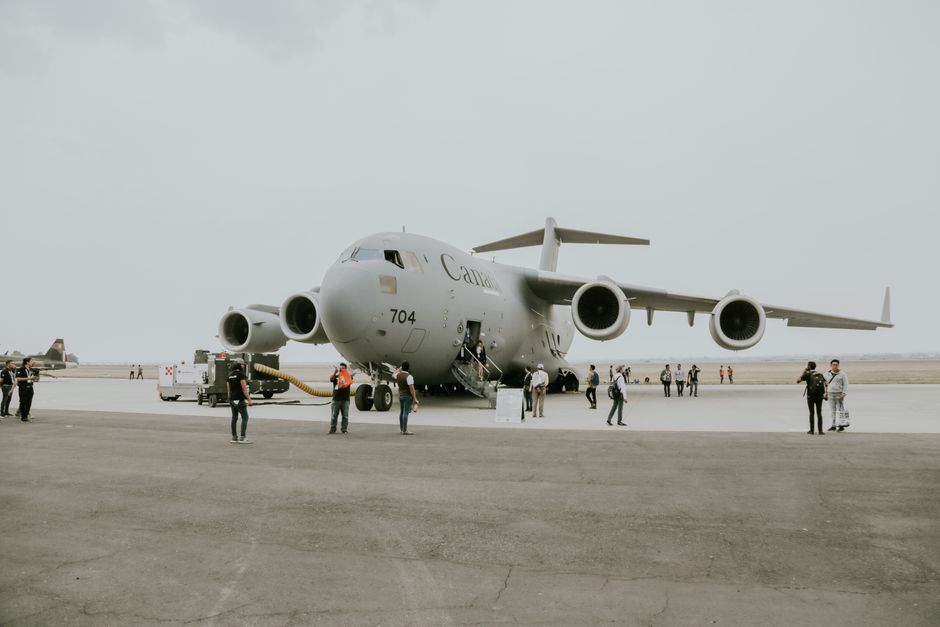
- Prioritizing long-range aerial deployment over traditional ship-to-ship transfers.
- Integrating para-rescue teams into standard patrols to cut response times by 40%.
- Increased reliance on multi-agency coordination for remote northern waters.
- Persistent weather risks remain the primary constraint for all air-based rescues.
How does the RCAF improve Arctic maritime search and rescue?
The Royal Canadian Air Force has shifted its cruise ship rescue strategy by prioritizing long-range aerial deployment over traditional ship-to-ship transfers. This change aims to slash response times by up to 40% in remote Arctic corridors. By integrating specialized para-rescue teams into standard flight patrols, the Air Force now maintains a constant readiness state for maritime emergencies. You can expect faster arrival times, but these missions remain constrained by extreme weather conditions. This operational pivot ensures that even in the most isolated waters, help arrives from the sky first.
What are the benefits of RCAF para-rescue operations?
Commanders recognized that waiting for surface vessels was no longer sufficient given the rising volume of cruise traffic in northern regions. According to official directives, the previous reliance on Coast Guard ships created a bottleneck during major incidents. By moving to an air-first response, the RCAF can stabilize a situation before a larger vessel even reaches the coordinates. But this speed comes with a trade-off. Air crews are limited by how much equipment they can drop compared to what a ship can carry.
Why is the Canadian military cruise ship response changing?
Northern waters present unique challenges that ground-based rescuers rarely face. Extreme cold and the lack of nearby landing strips make every mission a high-stakes endeavor for the flight crew. Even with improved protocols, visibility remains the primary obstacle for pilots attempting to reach a distressed vessel. And when the wind exceeds 50 knots, standard aerial extraction becomes impossible. These environmental factors mean that safety is never guaranteed, regardless of the technology used.
How does inter-agency coordination improve rescue speed?
Efficiency increases when the RCAF works alongside the Joint Rescue Coordination Centres. These centers act as the central nervous system for every mission, tracking cruise ship positions in real time. By sharing data between civilian cruise operators and military pilots, the Air Force reduces the time spent searching for a target. It is a collaborative effort that relies on precise communication. Without this shared data, response times would double in most remote scenarios.
What should passengers expect during an Arctic rescue operation?
If you are involved in a rescue, the first sign of help will likely be a parachute drop of supplies or a para-rescue technician landing on the deck. These teams carry portable medical gear designed for immediate stabilization of passengers. You should follow all instructions from the rescue team immediately, as they are trained for high-stress environments. Keep in mind that their goal is to manage the crisis until larger transport assets arrive on the scene.
What are the primary limitations of air-based Arctic rescue?
While the RCAF is faster, they cannot replace the capacity of a ship for mass evacuations. Air assets are designed to provide support, triage, and communications. If a cruise ship needs to be evacuated, the Air Force relies on a chain of support that involves civilian vessels in the area. Relying solely on the air is impossible for large-scale passenger needs. Therefore, they remain one part of a larger, complex survival network.
Frequently asked questions
The RCAF utilizes specialized para-rescue teams deployed via aircraft to reach vessels quickly, bypassing the need for slow, surface-level maritime transfers in remote corridors.
The shift to aerial deployment was implemented to reduce response times by 40%, addressing the critical need for speed in the harsh, isolated conditions of the Arctic.
Key challenges include extreme weather, vast distances from support bases, limited infrastructure, and the difficulty of navigating ice-covered waters during emergencies.