Paytm Stock Analysis: Evaluating Long-Term Risks vs. Bank Stocks
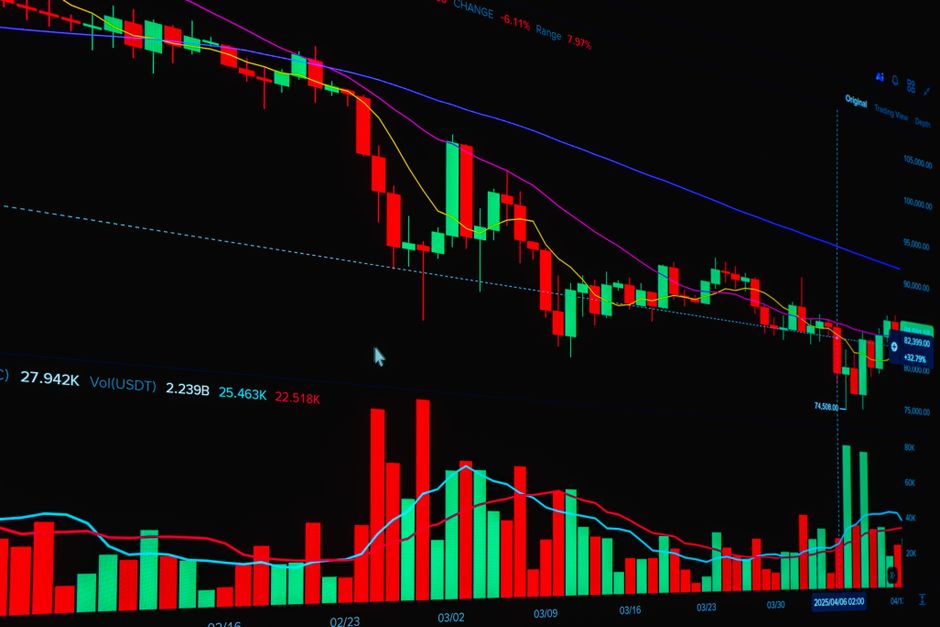
- Paytm stock remains highly volatile compared to established banking institutions.
- Traditional bank stocks offer more predictable dividends than fintech platforms.
- Growth-focused investors often favor fintech, while value investors prefer banks.
- Always verify the current price on a live ticker before executing trades.
What is the current Paytm share price trend?
Paytm's share price fluctuates daily based on market sentiment and regulatory updates, so you should check the latest quote on your brokerage app or a financial news site before making a move. There is no single 'correct' price that fits every strategy. When compared to traditional banking giants or newer fintech rivals, Paytm operates in a high-volatility sector. Some alternatives, like established private banks, offer lower growth potential but carry more stability in their dividend payouts. Digital payment platforms often trade at higher price-to-earnings multiples, meaning you are paying for future expansion rather than current profits. If you are looking for safety, bank stocks are usually the better bet. If you crave growth, the fintech sector remains the primary focus.
Why Fintech Stock Comparisons Are Essential for Investors
Traditional banks represent the bedrock of the financial sector. They generate steady income through net interest margins and loan products, which provides a layer of security during market downturns. In contrast, Paytm relies heavily on transaction volume and merchant services. A bank's share price is often tied to macroeconomic interest rates. Paytm's value is tied to user acquisition and the ability to convert those users into high-margin financial service customers. But, banks face less regulatory scrutiny regarding their core business models compared to digital payment firms. You might find that bank stocks trade at lower, more stable multiples. If your portfolio requires a defensive anchor, a regional or national bank is likely more appropriate than a digital payment player.
Is investing in Paytm safer than traditional banks?
Investing in fintech is fundamentally different from buying a utility or a bank. These companies often spend heavily on marketing and technology to capture market share. This high cash burn can lead to significant share price drops if growth slows down or if the company misses its quarterly targets. Alternatives, such as credit card processing firms or payment gateways, often carry different risks. Many of these established providers have already hit profitability, making their share price performance less tied to speculative growth. You should ask yourself if you are comfortable with the volatility inherent in a growth-stage company. If you prefer low-stress investments, the price swings of a company like Paytm might keep you up at night.
Paytm vs bank stocks: Which fits your risk profile?
If you are evaluating your fintech exposure, look at both direct competitors and traditional financial institutions. Direct competitors include other mobile wallet providers or digital banking startups that are currently vying for the same customer base. These companies often mirror Paytm's performance trends. On the other hand, you could look at diversified financial conglomerates. These entities offer a mix of insurance, banking, and wealth management, providing a hedge against the risks of a single-product business model. Consider the price-to-sales ratio when comparing these alternatives. A company with a lower ratio might be undervalued, but it could also signal a lack of market enthusiasm. Always compare these metrics side-by-side to ensure you aren't overpaying for a name you recognize.
Should you hold Paytm for the long term?
A long-term hold depends on your belief in digital adoption. If you think that physical cash will eventually disappear, then payment platforms have a massive runway for growth. However, this growth is not guaranteed. Competition is fierce, and thin margins are the reality for most payment processors. You might decide that holding a diversified ETF that includes both banks and fintech companies is a safer way to gain exposure to the sector. This approach reduces the impact of a single company's bad quarter on your total wealth. But, if you have done your research and believe in the specific strategy of a company, holding can pay off. Just ensure your financial goals align with the timeline required for growth.
Frequently asked questions
Paytm operates as a fintech company with higher volatility and regulatory exposure compared to traditional banks, which generally offer more stable, interest-based revenue models.
Key risks for Paytm include regulatory scrutiny from the RBI, intense competition in the digital payments space, and the ongoing challenge of achieving consistent long-term profitability.
Unlike traditional banks that rely on deposits and lending margins, Paytm focuses on digital payment processing, merchant services, and financial product distribution, which often results in different growth and risk profiles.