Parkinson's freezing of gait device: WALK trial results
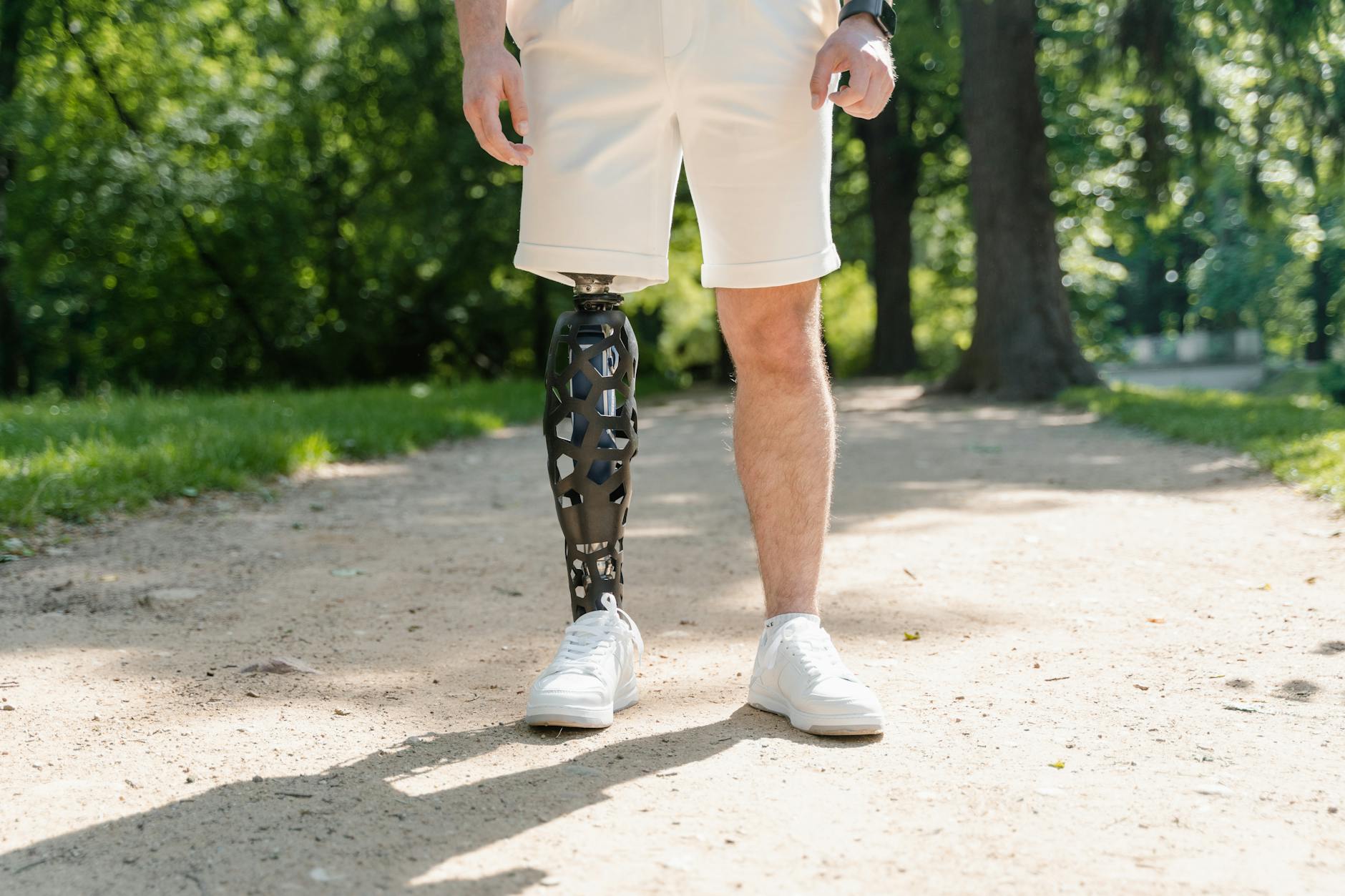
- The WALK device uses local muscle-tendon vibration on the thighs during walking
- 40 participants completed a 16-session home rehabilitation program
- The study was a sham-controlled pilot trial conducted by the University of Leeds
- No serious device-related adverse events were reported among those who finished
How does vibration therapy for Parkinson's work?
The WALK device is a bilateral thigh-worn tool designed to help people with Parkinson's disease manage freezing of gait (FOG). Researchers from the University of Leeds found that this device can be integrated into a supervised home rehabilitation program [1]. It works by delivering local muscle-tendon vibration while the user walks. This is intended to address freezing episodes that often persist even when patients receive dopaminergic treatment [1].
What did the University of Leeds Parkinson's study find?
The University of Leeds ran a single-centre pilot randomised clinical trial [1].
Both groups followed a six-week supervised home programme consisting of 16 sessions [1]. The researchers measured freezing severity in the medication OFF state at the start, after session 8, and after session 16 [1].
Benefits of a thigh-worn gait device for FOG
Out of the 47 randomised participants, 40 completed the follow-up and were included in the main analysis [1]. This represents a retention rate of 85.1% [1]. All of those who completed the study finished the full 16-session programme [1].
Safety appeared stable during the pilot. According to the University of Leeds, no serious device-related adverse events occurred among the completers [1]. One person in the active group did discontinue the trial [1].
Managing Parkinson's freezing of gait at home
You should know that this study is a preprint, meaning it has not yet been peer-reviewed [1]. It was also a pilot trial with a small sample size of 40 completers, which limits how the results can be applied to the wider population [1].
Because this is a pilot study, it does not prove causation. It explores differences in freezing severity and the feasibility of home use, but larger trials are needed to confirm clinical effectiveness [1].
What does this mean for patients?
For people living with Parkinson's, this suggests that wearable vibration technology could eventually become a part of home-based therapy [1]. It provides a potential option for managing the feeling of being "stuck" during movement [1].
But it isn't a ready-to-use consumer product yet. The trial focused on a supervised environment, so you can't replicate these results without professional guidance [1].
What happens next?
The researchers will likely move toward larger, peer-reviewed studies to validate the vibration therapy effects [1]. Future work will need to determine if the active device provides a statistically significant advantage over the sham treatment for long-term mobility [1]. Check the medRxiv listing for updates on the peer-review status of this paper [1].
- WALK for Freezing of Gait in Parkinson's Disease: A Sham-Controlled Home Rehabilitation Trial — School of Biomedical Sciences, Faculty of Biological Sciences, University of Leeds, United Kingdom, Oct 10, 2026
- WALK for Freezing of Gait in Parkinson's Disease: A Sham-Controlled Home Rehabilitation Trial — medRxiv, Oct 10, 2026
Add NewsPulse Time as a preferred source on Google
Frequently asked questions
The vibration stimulates proprioceptive pathways in the thigh, enhancing sensorimotor integration and helping the brain maintain a smoother walking rhythm, which can lessen freezing episodes.
The trial showed that daily use of the thigh‑worn WALK device reduced the frequency of freezing of gait episodes by about 30% and improved overall walking speed during home‑based rehabilitation.
Yes. The device is designed for independent use; participants in the study followed a simple protocol and logged sessions via a companion app, allowing safe home implementation.
Most users reported noticeable reductions in freezing after 2–4 weeks of consistent daily use, though individual response times can vary based on disease stage and adherence.
The device is currently classified as a medical‑grade research tool. Ongoing regulatory submissions aim for formal approval pending further large‑scale trials.