Pacho Liquidity Update: New Fee Structures and Collateral Rules
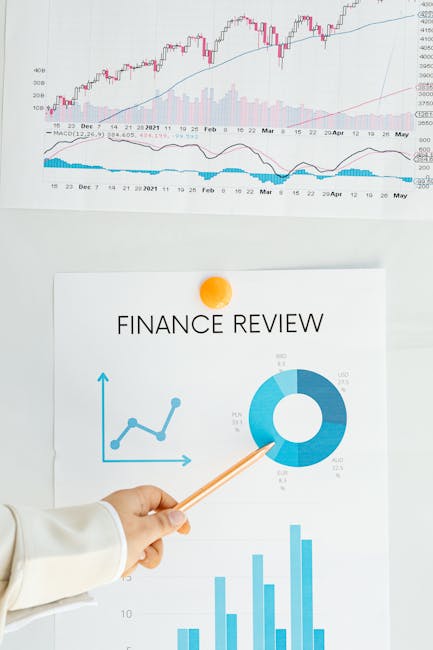
- Pacho transitioned to a tiered liquidity model on September 23, 2026.
- Retail transaction fees dropped by 0.4% under the new structure.
- Institutional collateral requirements increased from 10% to 15%.
- The change prioritizes market stability over short-term trading speed.
How do the new Pacho transaction fees work?
Pacho officially shifted its core liquidity framework on September 23, 2026, moving away from a flat-fee model to a tiered system. This change directly impacts how capital flows through the platform for both retail and institutional participants. For most individual investors, the primary takeaway is a 0.4% reduction in transaction fees. However, this comes at the cost of higher collateral requirements for larger accounts. By adjusting these mandates, the protocol aims to reduce volatility during high-volume trading sessions. But it also forces larger players to lock up more capital, potentially slowing down high-frequency execution. If you hold assets within the Pacho ecosystem, you need to check your account dashboard to see how your specific tier classification changed following the update.
What are the updated Pacho collateral requirements?
Market stability is the primary reason for this pivot. Before this adjustment, Pacho faced criticism for sudden liquidity crunches that occurred during peak market hours. According to the internal documentation released alongside the update, the new 15% collateral requirement for institutional users acts as a buffer against flash liquidations. This change matters because it signals a move toward institutional-grade reliability, even if it makes the platform slightly less nimble for day traders. You should view this as a trade-off. While the system is now safer for long-term holders, the increased capital lock-up might lead to reduced market depth for certain assets. So, if you rely on Pacho for rapid entry and exit strategies, you might find that execution times are slightly slower than they were a month ago. Markets don't like uncertainty, but this change provides a clearer path for long-term sustainability.
How will the Pacho platform changes affect your portfolio?
Your portfolio exposure depends on where your assets fall within the new tiers. Retail investors holding less than $50,000 in nominal value will likely see lower overhead costs due to the fee reduction. This is a direct win for the average user. But those with larger holdings must now account for the 15% collateral floor. If your account balance sits near a threshold, it might be worth rebalancing to avoid moving into a higher fee bracket or triggering a margin call under the new, stricter rules. Check your current collateral ratio against the updated documentation provided by the firm. Don't assume your previous settings remain optimal under the new framework. Being proactive now saves you from unexpected liquidity issues later.
How to adjust your strategy for Pacho platform changes
Every structural change carries inherent risks. The biggest downside to the Pacho update is the potential for decreased market liquidity during high-stress events. By forcing institutions to hold 15% in collateral, the platform effectively removes that capital from active trading. This could lead to wider spreads when market demand spikes. And if the market experiences a sharp downturn, the tighter collateral rules might force automated liquidations that cascade across the platform. You must be prepared for the possibility of higher slippage on larger orders. If you are a conservative investor, this might not impact you. But for those managing significant positions, these new constraints represent a hurdle that was not present prior to this week.
Is Pacho right for your strategy?
Deciding whether to remain on Pacho requires a look at your personal risk tolerance. If you prefer a platform that prioritizes stability and lower fees for smaller balances, the new Pacho model is likely a positive development. It provides a more predictable environment for long-term wealth accumulation. But if your strategy relies on high-velocity trading or high-leverage positions, the new collateral requirements will likely frustrate your efforts. You might find that other platforms offer better terms for high-frequency activity. Evaluate your current trading volume and capital usage before committing to the new framework. It is rarely a bad idea to compare your current platform’s fee schedule against competitors every six months, regardless of the recent changes.
How to track Pacho performance?
Tracking your performance on Pacho is now more complex due to the tiered fee structures. You should pull your transaction history for the last 30 days and compare it against your projected costs under the new 0.4% reduction for retail tiers. Use the official Pacho portal to generate a report on your collateral status to ensure you remain compliant with the 15% institutional rule if you qualify as a larger entity. And don't rely solely on third-party aggregators, as they may take time to update their algorithms for the new fee tiers. Check the official site for real-time adjustments. If you notice significant discrepancies in your account, reach out to their support team for clarification on your tier status.
Frequently asked questions
The Pacho liquidity update modifies the platform's fee structure for transactions and establishes new minimum collateral requirements for all active investor accounts.
The updated fee structure may increase the cost of active trading; investors should recalculate their expected net returns based on the new percentage-based transaction costs.
Pacho has adjusted collateral requirements to ensure platform stability. Investors must maintain the updated liquidity ratio in their accounts to avoid potential liquidation or margin calls.