How to Stop Streaming Lag for Live MLB Games
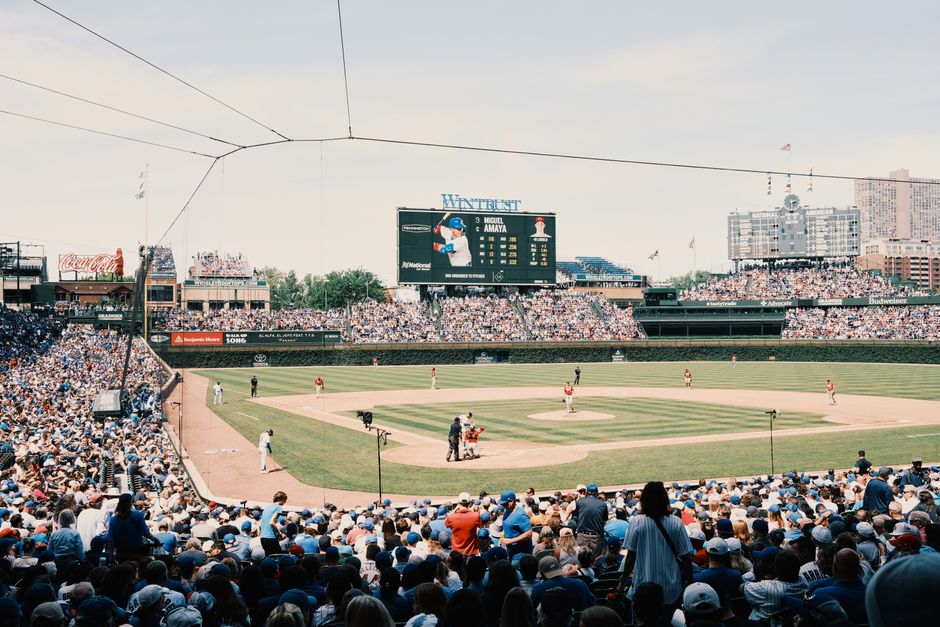
- High-definition streaming requires at least 25 Mbps for a stable 4K feed.
- Predictive analytics now dictate betting and tactical decisions in real-time.
- Latency remains the biggest hurdle for mobile-first sports viewers.
- Local network congestion can disrupt your viewing experience during peak innings.
Why do you need to fix buffering during live games?
The Cubs vs. Reds game is a benchmark for your home network performance. When you stream this matchup, your router handles massive packets of high-definition video alongside real-time data overlays. If you experience buffering or pixelation during high-leverage moments, your ISP or hardware is likely struggling to maintain a consistent 25 Mbps throughput. But it is not just about raw speed. It is about how your devices prioritize traffic during the game's peak intensity. So, if you notice your smart home devices slowing down while the game is on, you need to check your router's Quality of Service (QoS) settings immediately. A stable stream matters more than ever in 2026.
How to configure router QoS settings for sports
Baseball has evolved into a game of pure data. During the Cubs vs. Reds series, you can access more than just a box score. Modern broadcast platforms now integrate live probability models that predict the outcome of every pitch. According to MLB’s own data documentation, these models use historical pitch velocity and batter tendencies to calculate hit probabilities in milliseconds. You can use these tools to understand why a manager pulls a pitcher or shifts the infield. But there is a downside to this constant stream of information. It can distract you from the actual flow of the game. Relying too heavily on percentages might ruin the surprise of a comeback or a clutch hit.
Managing home network bandwidth for real-time data
Watching the game on your phone often introduces a lag that ruins the experience. You might see a home run on your neighbor’s TV before your mobile app even shows the pitch. This latency occurs because video packets must travel through multiple distribution nodes before hitting your device. If you are using a cellular connection, the issue is often network congestion at the cell tower. So, try switching to Wi-Fi if you are watching from home. But remember that even with a strong signal, mobile apps typically lag behind cable broadcasts by 15 to 30 seconds. You should prepare for this delay if you are following social media feeds during the game.
How Interactive Broadcasting Affects Streaming Latency
The push for interactivity comes with a cost to your privacy. Many sports streaming apps in 2026 track your viewing habits to serve personalized ads or suggest betting odds. When you enable location services to access local broadcasts, you are providing data points that companies use to build your consumer profile. It is a classic trade-off: you get a localized, tailored experience, but you lose a degree of digital anonymity. You can opt out of some tracking in your app settings, but expect the interface to become less intuitive as a result. Always check the privacy policy before syncing your accounts.
What to check if your stream fails
When the screen goes black, don't panic. First, check the status page of your streaming provider to see if there is a known outage in your region. If the service is fine, your local DNS settings might be the culprit. Switching to a public DNS provider like Cloudflare or Google often resolves connection drops during high-traffic events. But if that fails, a simple reboot of your modem is your best bet. It clears the cache and forces a fresh handshake with your ISP. Don't waste time troubleshooting individual devices until you have addressed the gateway itself.
Future Trends in Stadium and Home Connectivity
Stadium technology is rapidly catching up to the home experience. The Cubs and Reds are testing new 6G-enabled sensors that track player movement with centimeter precision. While this data is currently limited to broadcast use, we expect it to reach personal devices by next season. This could allow you to view the game from the perspective of any player on the field. It sounds exciting, but it will likely require a significant upgrade to your current hardware. Expect to see new subscription tiers that offer this level of immersive detail. The way we watch baseball is shifting toward a fully digital, interactive model.
Frequently asked questions
Live sports streams require consistent, high-speed bandwidth. Network congestion, background downloads, or a lack of Quality of Service (QoS) prioritization often cause buffering during high-traffic moments.
Quality of Service (QoS) is a router feature that allows you to prioritize specific types of network traffic. By setting your streaming device as a priority, you ensure it receives the bandwidth needed for a stable feed over less critical tasks.
Not necessarily. While high download speeds are important, network stability—specifically low latency and minimal jitter—is what prevents buffering. Optimizing your network settings is often more effective than simply upgrading your plan.