Why Oil Remains More Efficient Than Renewable Energy in Global Transport
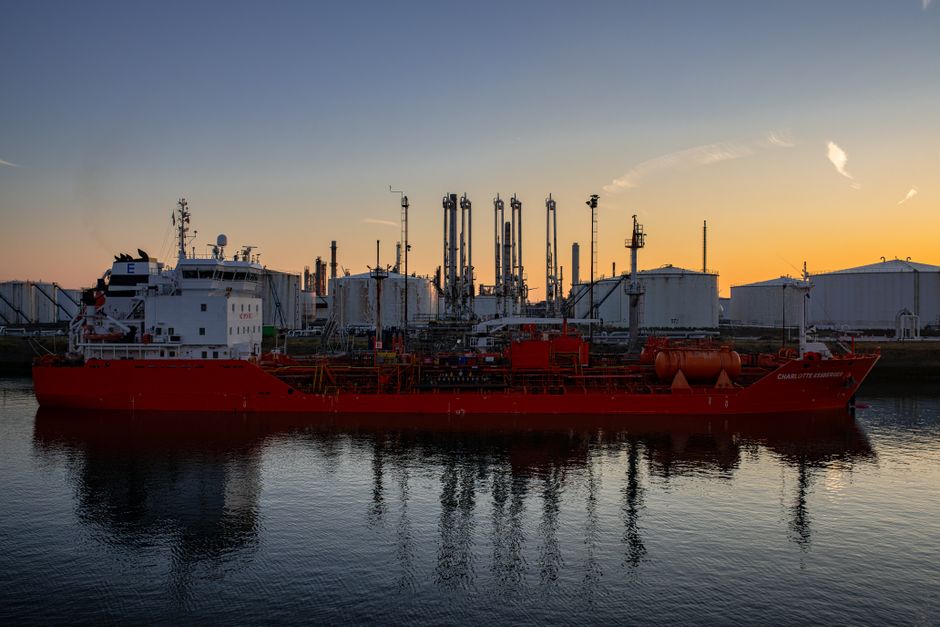
- Oil dominates due to its high energy density compared to batteries.
- Alternatives like solar offer lower costs but require grid storage.
- Infrastructure constraints make replacing oil-based systems expensive.
- Shipping and heavy industry remain tethered to liquid fuels.
Why is energy density critical for global transport?
Oil is the world’s most versatile fuel, but it no longer holds a monopoly on energy production. While solar and wind now provide cheap electricity in many regions, oil remains the primary choice for global shipping and heavy manufacturing. You cannot replace liquid fuels overnight because the current infrastructure is built entirely around oil. If you want to compare them, look at the energy density per kilogram. Oil delivers roughly 45 megajoules per kilogram, while the best lithium-ion batteries provide less than one. This massive gap explains why oil dominates long-haul transport. You should check the latest International Energy Agency reports for updated market share figures between these sectors.
What are the primary limitations of renewable energy?
Oil is remarkably easy to transport. You pump it into a tanker and it moves anywhere across the globe. Solar power requires a stable grid, and batteries require minerals that are not always available in large quantities. According to data from the U.S. Energy Information Administration, petroleum products still account for about one-third of total energy consumption. But the reliability of oil comes with a heavy carbon cost. You pay for that energy density with significant environmental impact. It is a trade-off between immediate utility and long-term sustainability.
How does existing infrastructure hinder the energy transition?
Batteries are catching up in the passenger vehicle market. A standard electric vehicle now covers most daily commutes for a fraction of the fuel cost. But for a container ship crossing the Pacific, batteries are too heavy and take up too much space. A ship running on batteries would lose half its cargo capacity to house the energy storage. That represents a massive financial downside for shipping companies. Until energy density improves, liquid fuels will likely retain the advantage for heavy transport.
What is the long-term outlook for global energy systems?
Hydrogen is often cited as the alternative for heavy industry. It burns clean, producing only water vapor. But the production process is inefficient today. You lose significant energy during the conversion from electricity to hydrogen and back again. You should check current research on electrolysis efficiency to see if costs have dropped enough for commercial viability in your region. It is a promising technology, but it faces significant scaling hurdles.
Why is current infrastructure a bottleneck for renewables?
Oil has a century of pipelines and refineries behind it. Replacing this global system requires trillions in capital investment. Solar panels and wind turbines are faster to install, but they are intermittent by nature. You need backup power for when the sun goes down or the wind stops. Until storage technology improves, oil remains the reliable backup for the grid. The cost of building that storage is the hidden price of the energy transition.
How to evaluate the trade-offs between oil and renewable energy
You choose oil for its density and ease of transport. You choose alternatives for lower operating costs and long-term sustainability goals. The transition is not necessarily about one fuel winning, but about finding the right tool for the specific job. Check the current energy price indices to see how these costs shift. Your choice depends entirely on your specific energy needs and your local infrastructure.
Frequently asked questions
Energy density determines how much power a fuel can provide per unit of volume or mass. High energy density is critical for shipping and aviation because it allows vessels to travel long distances without needing massive, heavy fuel storage that would reduce cargo capacity.
The primary barrier is the lack of existing infrastructure designed for renewables. While oil benefits from a century of global pipelines, refineries, and distribution networks, renewable energy requires entirely new grid storage and transmission systems.
Currently, oil is difficult to replace in manufacturing because it serves as both a fuel source and a chemical feedstock for plastics and synthetics. Renewables can provide electricity for processes, but they cannot yet replicate the chemical properties of petroleum-based inputs.