NWS vs. Commercial Weather Apps: Which Forecast Is More Accurate?
- The NWS is the primary data source for nearly all commercial weather apps.
- Commercial apps provide superior user interfaces and specialized push notifications.
- The NWS offers the most reliable long-term data without commercial bias.
- Paid apps often trade data accuracy for aesthetic features and convenience.
Why does weather data accuracy matter?
The National Weather Service is the primary data provider for almost every commercial weather service in the country. When you check a private app, you are likely viewing NWS data processed through a proprietary visual filter. While the NWS offers unmatched scientific rigor and critical public safety alerts, commercial apps win on interface and hyper-local convenience. You do not choose between them; you choose how to view the same underlying truth. The NWS provides the raw observation, while private companies compete to make that data readable for your specific lifestyle. One is a public utility, and the other is a consumer product. Understanding this distinction is the key to getting the most accurate forecast.
How does the public weather service differ from private apps?
The NWS operates on a mission of public safety rather than profit. Their models, such as the Global Forecast System, serve as the backbone for international meteorology. Because their mandate is to save lives and protect property, they avoid the sensationalism sometimes found in private apps. When a major storm approaches, the NWS remains the most consistent source for objective risk assessment. They do not need to keep you clicking on ads or purchasing a subscription to justify their existence. But there is a downside. The NWS website can feel archaic, and its data presentation is designed for meteorologists, not the average person. If you need a quick, intuitive glance at your commute, you might find their interface frustrating. They prioritize scientific precision over the user experience that defines modern digital products. For many users, this gap creates a clear opening for private companies to succeed.
How do meteorological forecast models work?
Private weather companies thrive by solving the usability problems that the NWS ignores. They offer features like hyper-local 'rain-start' notifications, allergy tracking, and visual graphs that make sense in seconds. If you work in construction, aviation, or outdoor events, these specialized alerts provide tangible value that a general government site cannot match. Many premium apps offer these services for approximately $20 to $50 per year. You are not paying for better weather data; you are paying for better presentation and faster delivery. These companies often combine NWS data with their own private sensor networks, providing localized readings that the broader national models might miss. However, the trade-off is often a cluttered interface filled with advertisements or aggressive upselling. You must decide if the convenience of a polished push notification is worth the subscription fee or the data tracking that often accompanies free commercial apps.
How do commercial weather apps monetize data?
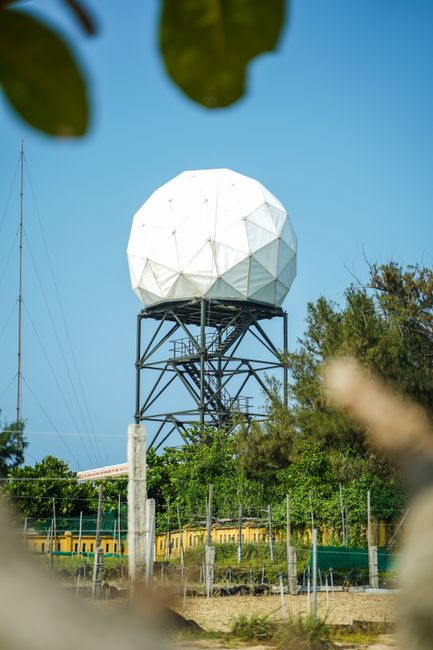
The relationship between the government and private weather companies is a unique public-private partnership. The NWS spends billions on satellites, radar stations, and supercomputers to gather data. They provide this information to the public for free, which allows private companies to build profitable businesses on top of that infrastructure. This is efficient for the taxpayer, as it creates a competitive market for weather delivery. But this model creates a conflict of interest for private firms. A weather app needs you to engage with its platform to generate revenue. This can lead to features that encourage checking the app more often than necessary, such as gamified forecasts or alarmist language. While the NWS focuses on the forecast, the private sector focuses on your attention. Always verify extreme warnings against the official NWS feed to ensure you are not acting on a marketing-driven exaggeration.
Frequently asked questions
The NWS provides the foundational data for most forecasts in the U.S. While private apps use the same raw data, they apply proprietary algorithms to create user-friendly visualizations, which can lead to slight variations in the final output compared to the official NWS forecast.
Most commercial weather apps access raw meteorological data from the National Weather Service (NWS) or international meteorological agencies, then process that information through their own unique forecast models to provide localized updates.
Forecasts differ because each app uses different proprietary models to interpret raw data, adjusts for local terrain, and updates at different intervals throughout the day, leading to variations in how the weather is presented to the user.