How Nor'easters Impact Your Investment Portfolio and Net Worth
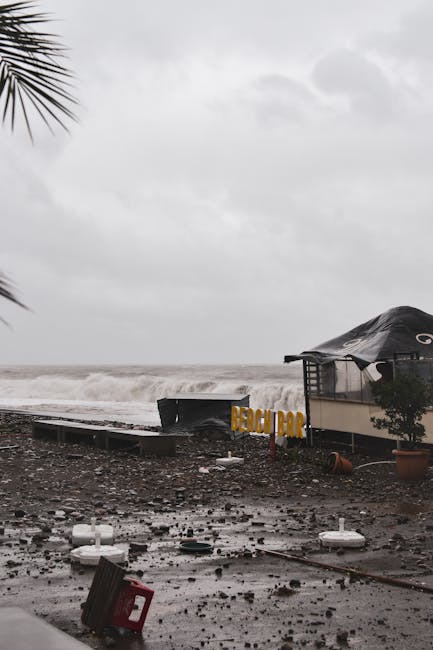
- Insurance premiums rise based on regional, not individual, storm risk.
- Municipal bonds for storm cleanup create long-term property tax burdens.
- Lost productivity and business downtime represent unrecoverable financial losses.
- Storm-prone properties face potential liquidity traps during resale.
How do Nor'easters affect municipal bond interest rates?
A nor'easter is not just a storm; it is a systematic drain on your portfolio. While insurance covers roof repairs, it ignores the hidden tax of regional economic stagnation. Homeowners frequently overlook the long-term impact on property values and the inevitable rise in municipal bond interest rates following storm-related infrastructure damage. When a coastal town spends millions on seawalls, that money comes from your property taxes, not a magic fund. You are paying for the storm years after the skies clear. It is a slow, quiet erosion of your net worth that rarely makes the evening news. Protect your assets by calculating these secondary costs today.
Does climate risk on property values impact your net worth?
Actuarial models are changing. Insurance companies no longer look at individual risk alone but rather the collective risk of a geographic region. If your neighbors file consistent claims after winter storms, your specific policy price climbs regardless of your own roof's condition. According to state insurance board filings, coastal premiums in high-risk zones have climbed roughly 12% annually. You are effectively subsidizing the disaster resilience of the entire block. But the downside is clear: if you stay, you pay. If you sell, you may face a discount from buyers who perform deeper due diligence on flood maps and historical claims records.
Why are insurance premium increases tied to regional risk?
Local governments often issue municipal bonds to cover emergency cleanup and long-term storm mitigation. These bonds carry debt service costs that eventually hit the local tax base. When a town issues $50 million in bonds for post-storm restoration, the interest payments are spread across every resident. This is a recurring cost hidden within your annual property tax assessment. Check your local county budget for line items labeled 'storm mitigation' or 'coastal defense.' These expenses often grow by 3-5% every year as maintenance costs on aging sea walls and drainage systems increase.
Is regional economic stagnation hurting your investments?
Business owners and remote employees lose more than just a few days of work during a severe nor'easter. Power grid failures often last longer than the storm itself, causing ripple effects in local supply chains. If your local internet provider’s infrastructure suffers, you lose billable hours that never return. For those in retail or service sectors, a two-day closure can represent 1% of annual revenue. Unlike insurance, no policy covers the lost momentum of your career or business growth during these unplanned outages.
Are property values actually falling?
Buyers are smarter than they were a decade ago. Property disclosures now include specific flood history, and lenders often require specialized surveys in storm-prone areas. Homes that consistently show storm damage risk a liquidity trap where they become difficult to sell at market price. If you cannot sell your home for its appraised value because of the storm risk, you have lost equity. This is an unrealized loss that sits on your balance sheet until you finally decide to move. Always check the FEMA flood map history before buying.
Can you protect your portfolio from storm costs?
Diversification is the only hedge. If your primary residence is in a region prone to nor'easters, ensure your investment portfolio is not tethered to the same geography. Avoid over-concentrating in local real estate investment trusts or regional banks that hold high percentages of local mortgage debt. By spreading your assets into different climate zones, you ensure that a single storm system cannot dismantle your financial future. It is not about avoiding the weather; it is about decoupling your wealth from the ground you stand on.
Frequently asked questions
Yes, frequent storm damage and rising insurance costs in vulnerable coastal areas can lead to long-term property value erosion as buyers factor in climate risk.
Municipal bonds in storm-prone regions may see interest rates rise as investors demand higher yields to compensate for the increased risk of infrastructure damage and potential tax base erosion.
Insurance premiums are increasing because insurers are adjusting for higher loss probabilities and the rising costs of rebuilding infrastructure after severe weather events.