How NC Farm Taxes Influence Your Grocery Bill
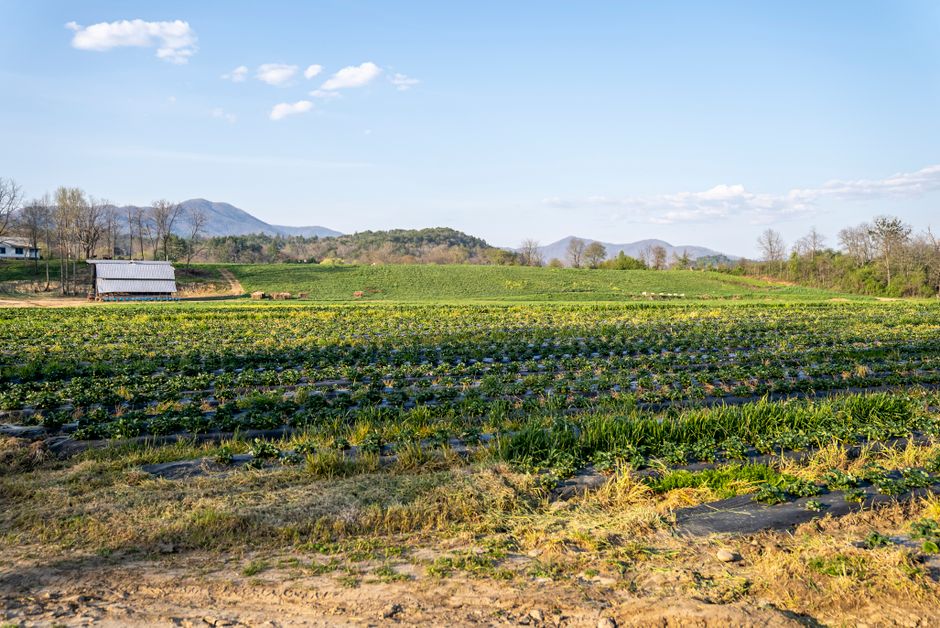
- Rising production costs are tightening margins for NC farm families.
- Higher farm taxes translate directly into higher prices at the checkout counter.
- Taxing agriculture reduces the long-term stability of the local food supply.
- Supporting farmers keeps food affordable for every North Carolina household.
How does food price inflation start on the farm?
Farmers across North Carolina are struggling to keep their operations afloat, and raising their taxes will only pass the cost on to you. When farm margins tighten, the price of the food on your dinner table inevitably rises. You might think farm taxes are a niche issue for rural landowners, but they are a direct factor in your household budget. If we want to keep local food affordable and accessible, we must avoid adding tax burdens to our agricultural sector. Keeping these costs low protects the stability of the entire food supply chain. It is a simple matter of economics: when the cost of production goes up, the price at the register follows suit.
Why the cost of food production matters to consumers
Production costs for farmers have surged, leaving many families with razor-thin margins. According to agricultural data, the cost of fertilizer, fuel, and machinery has climbed significantly over the past few years. Many farmers are essentially price-takers, meaning they cannot simply raise the price of their crops to cover these new expenses. They are caught between rising overhead and stagnant wholesale prices. If the state adds a tax burden on top of these operational costs, many small-scale family farms may reach a breaking point. The trade-off is clear: either we keep the tax burden manageable, or we risk losing the family farms that serve as the backbone of our state's economy.
Preventing grocery bill increases through smart tax policy
You might wonder how a tax in a rural county affects your shopping trip in the city. The answer is supply chain efficiency. When a local farmer faces a higher tax bill, they must find a way to recoup that capital to stay in business. Often, this means the local produce you see at the market becomes more expensive than the imported alternative. If local farms close, we become more dependent on long-distance logistics and volatile global supply chains. A local farm that pays lower taxes can afford to sell at a competitive price point. When you support policies that keep farmers on their land, you are effectively voting for lower food prices in your own neighborhood.
What happens if local farms disappear?
When family farms fold, the land is often sold to developers, which changes the economic profile of an entire region. A single family farm creates jobs for mechanics, feed suppliers, and logistics providers. If these farms vanish, the local tax base actually suffers because it loses the secondary economic activity that farming generates. You see the impact when local supply chains break down and you are forced to rely on goods shipped from thousands of miles away. These imported goods carry their own price premium due to transportation and storage costs. Losing local production is a permanent blow to our food security and your long-term cost of living.
Can we support local agriculture without tax hikes?
The state has several ways to ensure farmers remain profitable without leaning on them for more tax revenue. One option is to focus on efficiency grants or infrastructure support rather than broad tax increases. By prioritizing the preservation of existing farmland, the state can keep operational costs predictable. We should be looking for ways to streamline regulations that hinder production, rather than adding layers of taxation. If you want to know if your local representatives are helping, look for their stance on agricultural tax exemptions. These exemptions are not handouts; they are essential tools that keep food production viable for the families who feed us.
Frequently asked questions
When production costs rise due to tax burdens, farmers often pass these expenses to consumers, leading to higher prices for local produce at the grocery store.
Smart tax policies help keep local farms operational, which stabilizes food supply chains and helps mitigate sudden price spikes for fresh, locally grown food.
Yes, by reducing the overhead costs for local growers, tax relief can help stabilize production expenses and prevent unnecessary price increases at the retail level.