How Artists Make Money: A Guide to Modern Music Revenue
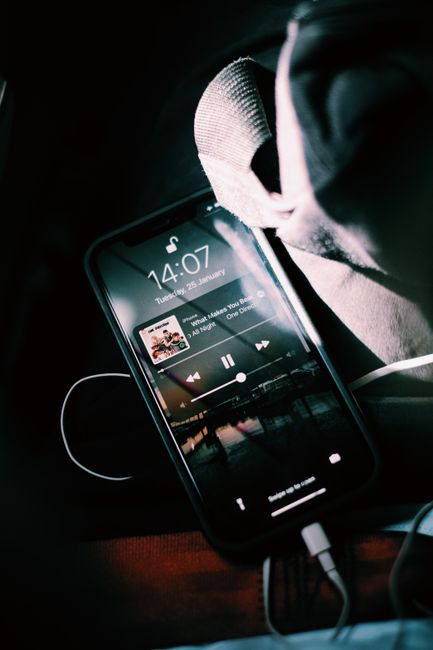
- Streaming payouts prioritize high-frequency engagement over total sales.
- Artists now rely on touring and merchandise to offset low royalty rates.
- Algorithms act as the modern gatekeepers for song discovery.
- Ownership of fan data remains the largest challenge for creators.
How do streaming royalty rates impact artist profit?
The music business currently centers on engagement metrics rather than unit sales. Artists earn revenue through a fraction-of-a-penny royalty model, forcing a heavy reliance on touring and merchandise for actual profit. In 2026, streaming platforms control the distribution pipeline, dictating which songs gain traction through algorithmic recommendations. While this gives listeners infinite choice, it has created a winner-take-all environment where the top 1% of artists claim the vast majority of streaming income. Success no longer depends on selling albums to a dedicated fanbase. It depends on capturing fleeting attention in a hyper-competitive digital feed. You have to treat your music as a service rather than a product.
What are the most effective music monetization strategies?
The industry moved away from transactional sales because piracy threatened the entire value chain. Platforms offered a subscription-based alternative that provided legal access to nearly every song ever recorded for a flat fee. This shift effectively stripped away the premium pricing that physical media once commanded in stores. Now, the value of a song is tied to its lifespan in a playlist rather than its status as a collector's item. Most platforms pay out based on a pro-rata model, meaning all subscription revenue goes into a giant pool before being divided by total streams. This structure favors high-volume pop acts over niche genres.
Why is the artist revenue breakdown shifting toward engagement?
The gatekeepers are no longer radio station program directors. They are the playlist curators and the recommendation algorithms powering platforms like Spotify and Apple Music. These systems reward high-frequency engagement and low skip rates. If your song does not hook a listener in the first 30 seconds, the algorithm buries it deep in the archives. Labels spend millions on marketing campaigns designed specifically to trigger these automated systems. It is an arms race for digital shelf space that small artists rarely win.
What are the primary financial risks for independent creators?
The primary downside is the loss of ownership over your own audience. If a platform changes its algorithm or removes your catalog, you lose the connection to your listeners overnight. Unlike the era of physical mailing addresses or direct email lists, you do not own the data of your fans on these apps. You are effectively renting your audience from a tech company. This creates a precarious foundation for any long-term career.
How are music streaming royalties distributed?
The typical royalty split remains heavily skewed toward labels and distributors. A standard contract often leaves the artist with 15% to 20% of the net revenue after the label recoups its marketing and production expenses. This recoupment process often keeps artists in a state of perpetual debt to their corporate partners. It is a system built to favor the entity that fronts the capital, not the one creating the art. Always check your specific contract terms before signing away your master rights.
The future of independent music sustainability
Independent artists have more tools than ever to distribute music without a traditional label. Platforms like Bandcamp or Patreon offer ways to bypass the royalty race by selling directly to superfans. However, the sheer volume of new tracks released daily—now exceeding 100,000 per day globally—makes discovery harder than ever. The barrier to entry is gone, but the barrier to attention is nearly insurmountable. You have to work twice as hard to stand out in a crowded room.
Frequently asked questions
Streaming platforms typically pay between $0.003 and $0.005 per stream. However, the final payout depends on the platform, the listener's territory, and the artist's distribution agreement.
No, streaming services generally pay royalties to labels, distributors, or publishers. These entities then distribute the earnings to the artist based on the specific terms of their contract.
No, sustainable music careers are built through diversified income streams, including live touring, merchandise sales, sync licensing for film and TV, and fan-funded platforms.