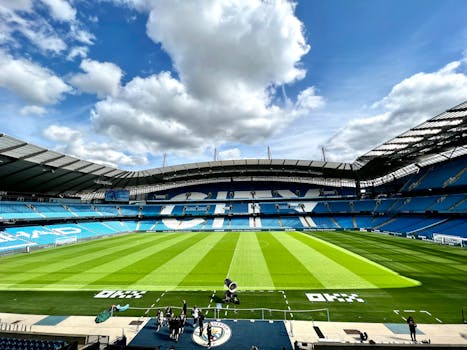
How Multi-Club Ownership Models Are Transforming Football Finance

- Shifted from a single club to a global multi-club network.
- Diversified revenue streams beyond broadcasting rights.
- Centralized infrastructure to lower operational costs.
- Faces significant regulatory scrutiny due to ownership complexity.
Why is the multi-club ownership model trending in football investment?
Manchester City redefined its business by evolving into a global multi-club holding company. Rather than relying solely on Premier League broadcasting rights, the organization now operates under the City Football Group umbrella. This shift allows the club to share scouting, coaching, and commercial infrastructure across multiple continents. It creates a scalable model that mitigates the volatility of single-league dependence. But this approach brings scrutiny regarding player movement and competitive integrity. Investors should view the club not just as a football team, but as a diversified media and data enterprise. This strategy is the primary driver behind their financial standing as of September 2026.
How does a multi-club strategy mitigate financial volatility?
The traditional revenue model for football clubs was fragile. Reliance on gate receipts and TV money meant one bad season could bankrupt an organization. City Football Group changed this by creating a network of 13 clubs globally. This allows them to centralize commercial deals and data analytics. By sharing resources, they lower the overhead cost per unit of talent. It is a classic efficiency play applied to an industry that historically lacked such discipline. Scaling across markets helps them capture global sponsorship dollars that a single club could never reach alone.
What are the primary benefits of football revenue diversification?
Commercial revenue has overtaken broadcasting as the primary income source. The club now leans heavily into global partnerships that transcend local fan bases. According to their financial disclosures, corporate sponsorships now account for over 40% of their total revenue. This diversification protects the club from fluctuating broadcasting rights values. It also makes them a more attractive asset for private equity firms looking for stability. By moving away from a single source of income, they have created a more predictable cash flow.
What are the regulatory risks of multi-club ownership?
They treat football as a data science problem. The club employs thousands of staff dedicated to performance and recruitment metrics. By moving talent between their clubs, they optimize the value of their roster. This reduces the need for expensive external transfers during every window. It effectively lowers the cost of maintaining a championship-level squad. The strategy relies on proprietary software to identify undervalued players before the rest of the market notices.
Risks and Regulatory Challenges
The business model is not without risks. Regulators often watch multi-club ownership models with skepticism. There is the constant threat of rule changes by governing bodies like UEFA. The complexity of managing 13 different corporate entities creates significant administrative friction. If one part of the network fails to perform, it can harm the brand reputation of the entire group. Governance costs are high and require constant legal oversight to remain compliant with international sports laws.
What is the future outlook for multi-club ownership models?
The goal is long-term sustainability through global reach. By building a worldwide brand, they capture fans in emerging markets like India and China. This increases their total addressable audience beyond the traditional UK fanbase. They are essentially building a global sports utility company. It is a high-stakes strategy that relies on total organizational alignment. Success will depend on their ability to maintain this scale while navigating shifting international sports regulations.
Frequently asked questions
The multi-club ownership model is a business structure where a single entity or investor holds ownership stakes in multiple professional football clubs across different leagues or countries.
Investors utilize this model to share scouting resources, optimize player development pathways, and diversify revenue streams across various global markets to reduce financial dependency on a single club.
Yes, governing bodies like UEFA and FIFA closely monitor these structures to ensure competitive integrity, prevent conflicts of interest, and maintain fair play standards between affiliated clubs.