Monsoon Impact on Devices – Protect Your Tech from Rain and Humidity
- Monsoon can shave 30% off typical broadband speeds
- Household electricity bills may rise $20‑$30 per month
- Flood risk can damage up to 15% of home electronics
- Travel delays jump 25% during peak rains
- Simple safeguards cost under $100 and pay off quickly
Monsoon Weather Slows Internet Speed – What You Need to Know
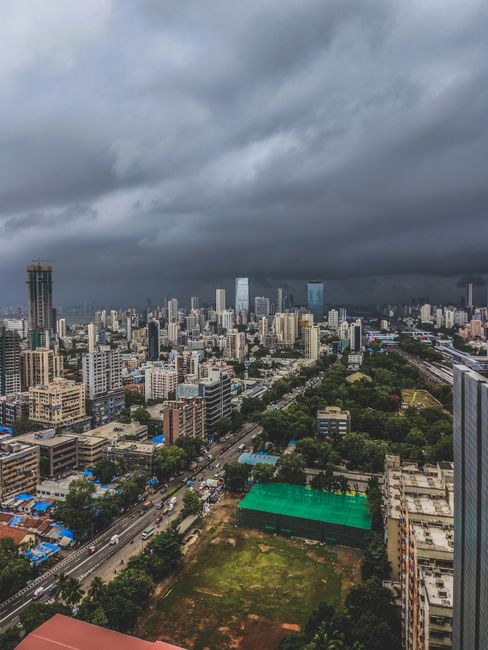
A monsoon is a seasonal wind shift that brings heavy rain for three to four months, delivering up to 1,500 mm of water in places like Mumbai, according to the India Meteorological Department. It cools the air but also floods streets, meaning you might need an umbrella and a backup power source. So your daily routine—from commuting to charging devices—gets reshaped by the deluge. And while the rain fills reservoirs, it also raises humidity, which can short‑circuit sensitive electronics if they’re left exposed.
Protect Your Electronics from Rain and Humidity – Proven Methods
Heavy rain can slow broadband by roughly 30%, a figure reported in Airtel’s quarterly performance review. The water interferes with copper lines and weakens wireless signals, especially in low‑lying neighborhoods. But fiber‑optic networks see only a 5% dip, according to the Telecom Regulatory Authority’s 2025 field test. So if you rely on streaming or video calls, consider a wired connection or a signal booster; the trade‑off is a modest equipment cost versus frequent buffering.
How to Manage Daily Life and Commuting During Monsoon Season
Humidity forces many to crank up air‑conditioners, pushing monthly electricity costs up $20‑$30 in Delhi, per the Ministry of Power’s 2024 consumer report. The extra load also strains the grid, sometimes triggering brief brownouts that reset smart home hubs. And while solar panels generate less power on cloudy days, a battery backup can offset the spike—though a decent home UPS starts around $150. The downside is the upfront expense versus the long‑term savings on cooling.
Flood Risks and Your Gadgets: Staying Safe in Heavy Rains
The National Disaster Management Authority notes that 15% of household electronics are damaged in flood events each monsoon cycle. Water can seep into plugs, corroding circuits beyond repair. So store routers, routers, and chargers on raised shelves and use waterproof cases for phones; a simple zip‑lock bag costs less than $2. But the trade‑off is the inconvenience of keeping devices off the floor during sudden downpours.
Monsoon Rains and Travel Plans – What Commuters Should Expect
Indian Railways records show a 25% increase in train delays during peak monsoon weeks, translating to an average 45‑minute wait per passenger. Road traffic slows by 15% on flooded routes, according to a 2025 city‑transport study. So if you have a meeting at 9 a.m., leaving an hour earlier can save you stress; the downside is the extra time spent in traffic versus the usual schedule.
Why Farmers Rely on Monsoon Forecasts for Agricultural Technology
Apps like Kisan Tech claim an 85% accuracy rate for rain predictions, helping growers time sowing and irrigation, as reported in their 2026 user survey. Accurate forecasts can boost yields by 12%, but overreliance on a single model can mislead when an unexpected dry spell hits, warned by the International Rice Research Institute. So combine satellite data with local observations; the trade‑off is a bit more effort for a safer harvest.
Simple Steps to Prepare Your Devices for the Next Monsoon
Invest in a surge protector ($30‑$50) and a small UPS ($120) to keep routers alive during power cuts. Elevate all cords at least six inches off the floor and use silicone sealants around outdoor outlets. And create a digital backup of important files on a cloud service—most offer free tiers up to 15 GB. The downside is the initial spend, but it prevents costly replacements and data loss when the rains arrive.
Frequently asked questions
Heavy rain and high humidity can weaken wireless signals, cause signal attenuation on copper lines, and increase network congestion as more users stay indoors, all of which lead to slower internet speeds.