Mitch McConnell’s Strategy: How He Reshaped the Federal Judiciary
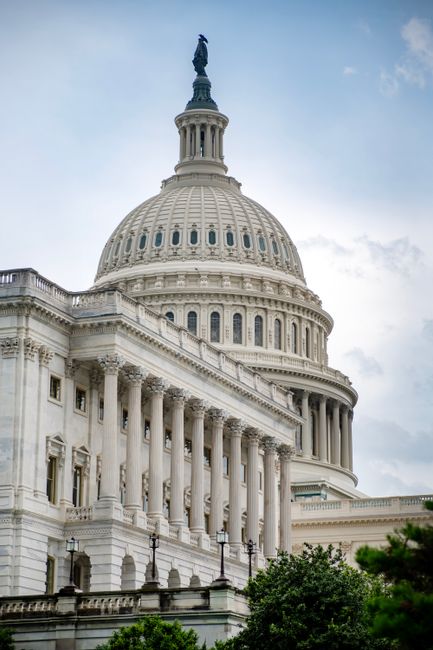
- McConnell’s strategy prioritized long-term judicial appointments over short-term legislative wins.
- His control of Senate procedures fundamentally shifted the federal court system.
- The primary cost of his tenure was the erosion of traditional bipartisan collaboration.
- His career functions like a high-stakes portfolio focused on durable institutional control.
How did judicial appointments define the Mitch McConnell legacy?
Mitch McConnell is worth it if you value institutional power over short-term popularity. He transformed the federal judiciary by prioritizing lifetime appointments, effectively locking in a conservative legal framework that will persist long after his time in office concludes. This strategy was never cheap. It required immense political capital and a willingness to break traditional Senate norms to secure his objectives. For his supporters, the return on investment is clear. He moved the needle on the Supreme Court and appellate benches more than any leader in decades. If you want to understand power, look at his record. It is a masterclass in patience and tactical control.
What are the core Senate power dynamics McConnell mastered?
McConnell treated judicial vacancies as high-yield assets. He understood that while legislation can be repealed, a federal judge sits on the bench for a lifetime. According to official Senate records, he prioritized the confirmation of conservative judges at a pace that outperformed many of his predecessors. By blocking nominees during the final year of the Obama administration, he essentially saved these seats for a later date. This was a calculated risk that paid off significantly when the political climate shifted. It created a durable, conservative-leaning court system. You are looking at a permanent shift in the interpretation of law.
Was political capital management the primary driver of his success?
In political terms, his returns are measured in policy influence. When you look at the tax cuts signed into law during his tenure, the financial impact for corporations and high-net-worth individuals reached into the billions. These policy wins were only possible because he maintained a tight grip on the Senate floor. He understood that legislative success depends on procedural timing. By controlling the calendar, he ensured that specific bills faced minimal opposition. It was not about broad consensus; it was about efficiency. He traded the possibility of public goodwill for concrete, bankable policy results.
How did McConnell build a lasting conservative legal framework?
Every high-yield strategy carries downside risk, and McConnell’s approach is no exception. The most obvious cost is the total breakdown of bipartisan trust within the Senate chamber. When you prioritize speed and procedural maneuvering, you lose the ability to negotiate in good faith with the opposition. This creates a volatile environment where the next leader faces a fractured institution. Legislative gridlock has become the default setting for the federal government. For the average taxpayer, this means that major economic reforms often stall indefinitely. Stability is the first thing sacrificed when you play for long-term control.
Who holds the balance of power in the Senate today?
As of September 2026, the Senate remains a battlefield of competing interests. McConnell’s influence persists through the judges he installed, even as his direct role in daily floor management changes. The current Senate leadership must contend with the precedent he set for utilizing procedural rules to bypass traditional debate. Anyone checking the current makeup of the federal courts will see his fingerprints on nearly every major ruling. The question of whether he was worth it depends on your perspective. Do you prefer a functional, slower government, or one that produces aggressive, lasting structural change?
Frequently asked questions
McConnell prioritized the rapid confirmation of conservative judges to federal courts, utilizing Senate procedural rules and prioritizing judicial vacancies to secure a long-term ideological shift in the judiciary.
He transformed Senate operations by emphasizing party-line voting, strategically utilizing the filibuster, and prioritizing the confirmation of federal judges over traditional legislative consensus.
Because federal judges serve lifetime appointments, McConnell’s influence on the bench will impact U.S. law, policy, and constitutional interpretation for decades, regardless of future election outcomes.