Stop Topping Off Your Gas Tank: Why It Causes Car Damage
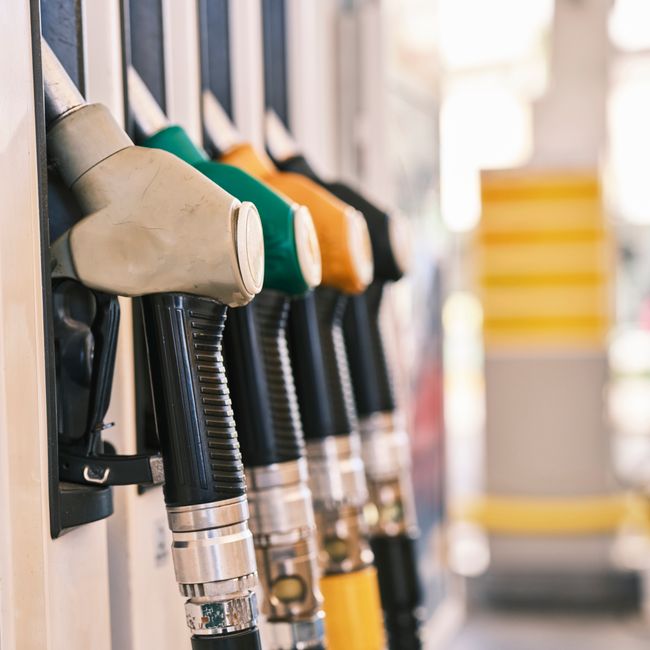
- Stop pumping immediately when the nozzle clicks off to avoid vapor system damage.
- Using higher octane than your manual requires is a waste of money.
- Driving on empty can overheat your fuel pump and cause costly failures.
- A loose gas cap is the most common cause of a check engine light.
Why is topping off your gas tank bad for your vehicle?
Topping off your gas tank is the most common mistake drivers make. It ruins your vehicle's vapor recovery system and can lead to expensive repairs at the mechanic. Stop pumping the moment the nozzle clicks off automatically. You won't get more fuel, but you will send excess gas into the charcoal canister, which is designed to manage fuel vapors rather than liquid. This error often forces a check engine light to appear, costing you hundreds of dollars to fix. Most modern fuel pumps are designed to shut off at the exact right moment to prevent pressure build-up. Follow the pump's lead, keep your hands clean, and save your car's internal components from unnecessary damage.
How does overfilling damage your car's vapor recovery system?
Unless your owner's manual specifically requires premium fuel, using it provides zero benefit. Many drivers believe higher octane burns cleaner or provides more power in standard engines. This is a myth. According to the Federal Trade Commission, using a higher grade than recommended does not improve performance for the average commuter car. You are simply paying an extra 50 to 80 cents per gallon for no reason. If your engine does not have a high-compression ratio or a turbocharger, stick to the regular grade listed on your fuel door. Check your manufacturer's documentation to see if premium is 'required' or merely 'recommended' to make an informed choice at the pump.
Are premium fuel myths costing you extra money?
Driving until your fuel light turns on is a dangerous habit for your engine. Modern vehicles use the fuel in the tank to keep the fuel pump cool. When you drive on fumes, the pump pulls in air, which causes it to overheat and fail prematurely. Replacing a fuel pump is a labor-intensive job that can cost between $500 and $1,200 depending on your vehicle make. Beyond the pump, running low on fuel allows sediment at the bottom of the tank to get sucked into the fuel lines. This can clog your injectors and lead to poor performance. Plan to fill up when your gauge reaches the quarter-tank mark to ensure longevity.
What causes a check engine light after refueling?
If your check engine light comes on shortly after a fill-up, check your gas cap first. A loose or damaged cap lets fuel vapors escape, which triggers the vehicle's emissions sensor. Simply tighten the cap until it clicks, then drive for a few days to see if the light resets. If the cap is cracked or the rubber seal is worn, buy a replacement immediately. A new cap usually costs less than $20 at most auto parts stores. Ignoring this simple fix can lead to failing an emissions test, which is a mandatory requirement in many states. Don't rush to a mechanic before checking this basic component yourself.
Does the time of day change fuel density?
You might have heard that filling up in the cool of the morning saves money. The theory states that cold gas is denser, so you get more energy per gallon. While technically true, the difference is negligible for a standard passenger vehicle. Gas is stored in underground tanks that stay at a constant temperature regardless of the weather above ground. You would need to fill up a massive fleet of vehicles to see any measurable financial gain from this strategy. Focus on finding the lowest price in your area rather than watching the thermometer. Convenience and a reliable station matter far more for your wallet than the time of day.
When is it time to replace your fuel filter?
Neglecting your fuel filter is a mistake that leads to sluggish acceleration and hard starting. Most manufacturers suggest changing the filter every 30,000 to 50,000 miles to keep the engine running smoothly. If you notice your car hesitating when you press the gas pedal, the filter may already be clogged with debris. A clogged filter forces the fuel pump to work twice as hard to push gas through the system. Consult your service manual for the specific interval for your vehicle model. Replacing a filter is a relatively cheap maintenance task, often costing under $100 if you have a shop do it, and it prevents much larger issues down the road.
Frequently asked questions
Yes. Topping off can saturate the charcoal canister in your vehicle's vapor recovery system, leading to fuel leaks and potential damage to the emissions system.
Overfilling can cause liquid gasoline to enter the vapor lines, which may trigger a check engine light, damage the purge valve, and result in costly repairs.
Premium fuel is only necessary if your vehicle's manual specifically requires it for high-compression engines. For most standard vehicles, it provides no performance benefit and is a waste of money.