Microsoft Healthcare AI: Automating Clinical Documentation & Data

- Microsoft acts as the digital infrastructure for hospital data.
- AI tools automate clinical documentation to save doctors time.
- Data stays protected through high-level encryption and compliance standards.
- System integration helps hospitals avoid manual data entry.
How does AI clinical documentation improve hospital workflows?
Microsoft functions as the digital infrastructure for modern healthcare by combining massive cloud storage with specialized AI tools that handle clinical documentation. Hospitals use these systems to move patient data from paper charts into secure digital formats that computers can read and analyze. It acts like a giant, high-speed library for medical records that doctors access from anywhere. Because clinicians often spend hours on paperwork, these tools automatically summarize patient visits to save time. But, it requires hospitals to trust a massive corporation with their most private information. This setup creates a faster workflow while raising important questions about data control.
What are the security risks of Microsoft health data storage?
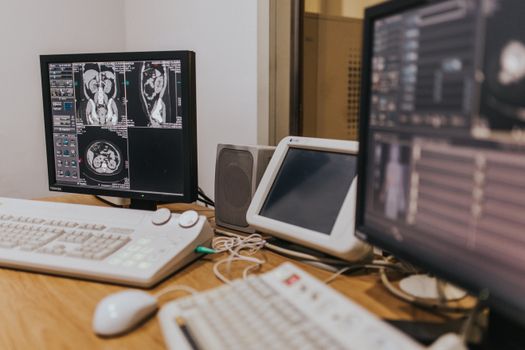
Microsoft processes health data primarily through its Azure cloud platform, which offers specific tools for healthcare organizations. When a hospital feeds data into the system, the platform organizes it using industry standards like FHIR, or Fast Healthcare Interoperability Resources. This makes sure that information from an MRI scan talks correctly to the electronic health record system. Then, AI models scan this data to identify patterns or help doctors find specific test results without manual searching. For example, a physician might use an AI-assisted search to pull up a patient’s blood pressure history from the last five years in seconds. It saves time, but it also means that hospitals lose a bit of their independence by relying on a single provider’s ecosystem. If the cloud connection drops, the hospital staff might find themselves cut off from critical patient history.
How is AI in medical records changing patient care?
Data protection in the Microsoft ecosystem relies on strict compliance certifications, such as HIPAA in the United States. They use encryption both while the data sits in the cloud and while it travels between the hospital and the server. This prevents unauthorized outsiders from reading sensitive files. However, the downside remains: data is still being processed by a third party. While Microsoft states they do not use patient data to train their general AI models, the risk of a breach at a central hub is a concern for many security teams. You should check the specific Business Associate Agreement of any hospital system to see exactly what safeguards are in place for your records.
Key Benefits of Microsoft AI for Hospital Data Management
Most hospitals choose Microsoft because it integrates with tools they already use, like Windows and Office 365. It is easier to train staff on familiar interfaces than to switch to an entirely new platform. Microsoft also offers massive scale, meaning they can handle the millions of images generated by a large hospital network without slowing down. But, this convenience creates vendor lock-in. Once a hospital builds its entire digital infrastructure on Microsoft, moving to a competitor becomes incredibly expensive and technically complex. For most administrators, the immediate efficiency gains outweigh these long-term risks.
Frequently asked questions
Yes, Microsoft’s healthcare AI solutions are built on the Azure platform, which is designed to meet HIPAA requirements and other global healthcare compliance standards to ensure patient data privacy.
Microsoft AI uses advanced natural language processing (NLP) to transcribe, summarize, and structure clinical encounters, significantly reducing the administrative burden on healthcare providers.
Yes, Microsoft utilizes Azure cloud services, which employ enterprise-grade encryption, identity management, and access controls to securely store and process sensitive medical records.