Can You Sue for a Defective Medical Device? Understanding Preemption
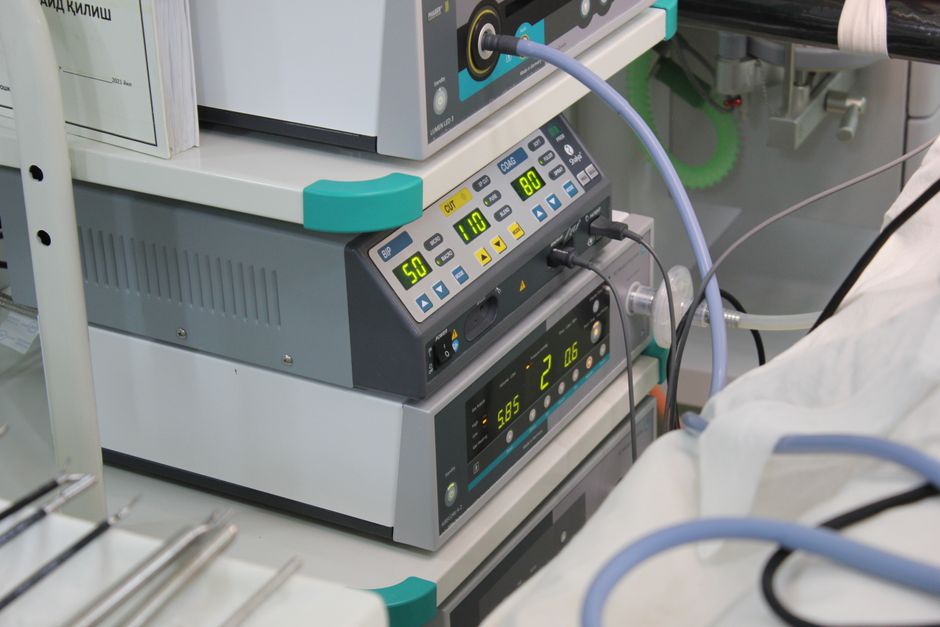
- FDA approval can shield manufacturers from state-level lawsuits.
- The 3rd Circuit ruling limits how you can hold companies accountable.
- Federal law often overrides consumer protections established by states.
- Injured patients must often prove a violation of federal standards to sue.
How does FDA premarket approval affect medical device injury claims?
If you are injured by a medical device, federal preemption acts as a legal shield for the manufacturer. It means that because the FDA approved the device, state-level lawsuits for design defects or failure to warn are often blocked. Federal law overrides state law, preventing you from seeking damages in many local courtrooms. This matters because it limits your ability to hold companies accountable when things go wrong. A 2026 ruling from the 3rd Circuit reinforces this protection, narrowing the paths available for injured patients to pursue legal compensation. If your device was approved through the FDA’s Premarket Approval process, the manufacturer likely enjoys this immunity from state-based litigation. You are essentially left with fewer options for recovery.
Why federal preemption acts as a legal defense for manufacturers.
Manufacturers are increasingly looking for what industry observers call 'DrFreeZones' to minimize their risk. These are jurisdictions where courts have historically interpreted federal preemption in the broadest possible terms for the defense. By shifting operations or legal strategy toward these regions, companies aim to lock in protections against class-action lawsuits. It is a strategic move to ensure that federal standards remain the only bar they must clear. But this leaves patients with a significant downside. When a company avoids state-level oversight, they effectively remove a layer of consumer protection that would otherwise force them to answer for design flaws. This creates a difficult environment for anyone seeking justice after a device malfunction.
Can you still pursue a lawsuit against medical device manufacturers?
You can still file a lawsuit, but the legal bar is extremely high. Instead of proving that a product was dangerous under state law, you must prove the manufacturer violated specific federal requirements set by the FDA. This is often called a 'parallel claim.' If the company followed every federal rule to the letter, you will likely lose your case. You need to show that the company failed to follow their own FDA-approved manufacturing processes. This requires access to internal company records that are rarely made public. Most individuals find this process expensive and time-consuming. You should expect to work with a legal team that specializes in federal regulatory disputes rather than standard personal injury law.
Does FDA Premarket Approval Grant Immunity to Manufacturers?
Not all medical devices are treated the same by the courts. Devices that go through the stringent Premarket Approval (PMA) process are the ones that receive the strongest preemption protections. These devices have undergone rigorous clinical testing before hitting the market. Conversely, devices cleared via the 510(k) process—which only requires showing the device is 'substantially equivalent' to one already on the market—often have fewer preemption defenses. This distinction is vital for your attorney to identify. If your device was cleared through the 510(k) pathway, your potential case may not be preempted at all. Check your device documentation to see which pathway the manufacturer used for approval.
What should I do if a device injures me?
First, report the incident to the FDA through the MedWatch system. Your report creates an official record that can help track broader safety issues with that specific product. Second, keep all records related to the device, including the implant card, serial numbers, and any correspondence with your surgeon. Do not wait to see if the company will offer a settlement on their own terms. Contact a lawyer who specifically understands federal preemption in the medical device sector. They will know how to look for those 'parallel claims' that bypass the preemption barrier. This is a technical area of law, so general practice attorneys may not have the necessary experience to help you.
Exceptions to Medical Device Preemption: When Can You Sue?
Legal experts are currently debating whether the current interpretation of preemption serves public safety. Some argue that it encourages companies to cut corners because they know they are immune to state tort law. Others claim that without these protections, the cost of medical innovation would become unsustainable for manufacturers. As of October 2026, the courts continue to favor the manufacturers in most disputes involving PMA-approved devices. Unless federal legislation changes to grant patients more standing, the burden remains on you to prove the company broke federal law. Stay informed by checking the FDA’s public database for any recall notices or safety alerts related to your specific device.
Frequently asked questions
No. FDA premarket approval signifies that the agency has determined the device's benefits outweigh its known risks, but it does not guarantee the device is free from defects or long-term complications.
Federal preemption is a legal doctrine where federal law (the Medical Device Amendments to the FDCA) overrides state law claims, often preventing patients from suing manufacturers for injuries caused by devices that received FDA premarket approval.
Yes, in specific circumstances. If the manufacturer violated FDA-approved manufacturing processes, failed to report adverse events, or if the device was not subject to the rigorous premarket approval process, you may still have grounds for a lawsuit.