Meat Industry ESG Risks and Financial Performance
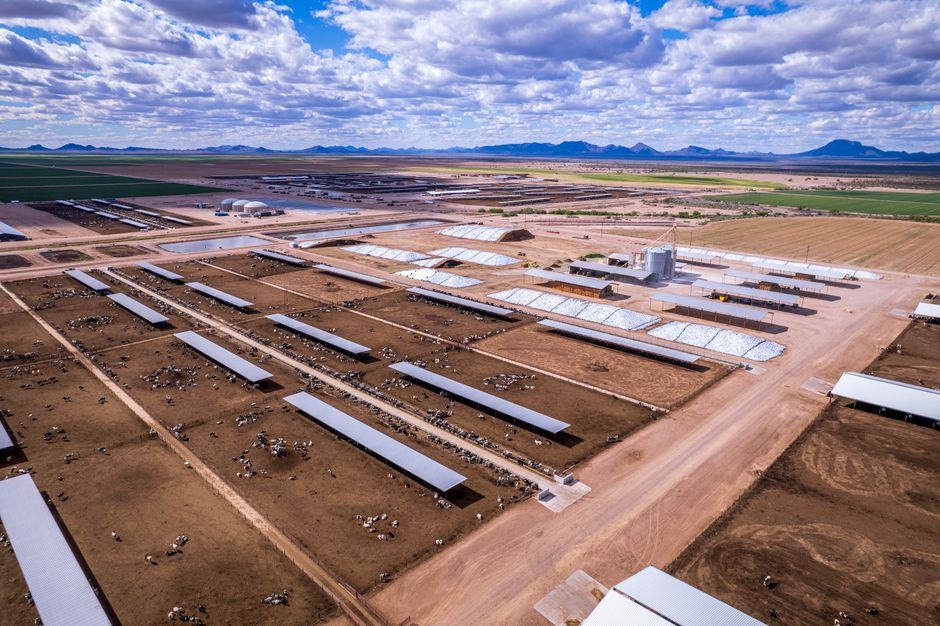
- Supermarket prices ignore environmental and health externalities.
- Antibiotic overuse in livestock creates future litigation and regulatory risks.
- Centralized meat processing creates massive single-point-of-failure risks.
- High feed-to-meat conversion ratios represent inefficient capital allocation.
How do meat production liabilities affect stock value?
Meat prices at the supermarket are a mirage. The sticker price reflects the protein, not the externalities. When you buy a pound of beef, you are subsidizing a supply chain burdened by hidden environmental and health liabilities that eventually land on your balance sheet through taxes or insurance premiums. Investors often ignore the long-term risk of antibiotic resistance and soil degradation, but these factors are quietly eroding the profitability of traditional meat conglomerates. You need to look past the per-pound price to see the true cost of production. It is a fundamental shift in how we must evaluate food companies.
Why is sustainable food investing gaining traction?
Meat production requires massive water and land inputs. Cattle ranching drives deforestation, which creates long-term liability for corporations facing stricter ESG regulations. Look at the water footprint per pound of beef—often cited at over 1,500 gallons—and compare it to plant-based alternatives. These resource-heavy processes make producers vulnerable to drought-related price spikes. Investors should check the current sustainability reports of major producers for water usage metrics, as these figures correlate directly with future operational costs. If a company cannot account for its water footprint, it has no plan for a drier future.
How to assess food company financial risk in the current market?
The agricultural sector remains the largest consumer of medically important antibiotics. This practice contributes to the rise of drug-resistant superbugs, which creates a massive, under-priced public health risk. If regulations tighten, meat producers face significant compliance costs or outright bans on specific drugs. Check the annual filings of major meat processors to see if they disclose their antibiotic usage policies. Companies failing to transition now are essentially holding a ticking time bomb of future litigation and regulatory expense. The market rarely prices in this risk until a crisis occurs.
Is the meat supply chain too fragile?
Large-scale meat production relies on highly concentrated processing facilities. This centralization creates a single point of failure for investors. When disease outbreaks hit, the entire chain grinds to a halt, causing massive inventory loss and stock price volatility. Compare this to the decentralized nature of modern indoor farming or lab-grown alternatives. If a company does not have a plan for biological containment or supply chain diversification, they are one bad season away from a catastrophic loss. Resilience is the new measure of value.
What is the opportunity cost of feed crops?
Most corn and soy production is diverted to livestock feed rather than direct human consumption. This represents an inefficient allocation of capital and land that could be generating higher margins elsewhere. As global food security concerns rise, governments may prioritize human-grade crops, forcing meat producers to pay more for inputs. Check the ratio of feed-to-meat conversion for your holdings. High ratios are a red flag that the company is wasting resources on an outdated, low-margin business model. Efficiency dictates long-term survival.
Can investors hedge these risks?
You don't have to divest entirely, but you must demand transparency. Look for producers investing in regenerative agriculture or cellular protein technologies. These companies are effectively buying an insurance policy against the risks of traditional livestock farming. If a firm refuses to discuss their hidden costs, assume they have no plan to mitigate them. Your portfolio should reflect the reality of a changing food system rather than the habits of the past. Start by asking for data on resource efficiency.
Frequently asked questions
The meat industry faces significant ESG risks, including greenhouse gas emissions, water scarcity, land-use changes, and increasing regulatory pressure regarding animal welfare and labor practices.
Environmental liabilities can lead to increased operational costs, legal fees, supply chain disruptions, and reputational damage, all of which negatively impact long-term earnings and investor confidence.
Sustainable food investing focuses on companies with resilient supply chains and lower regulatory exposure, helping investors mitigate the financial risks associated with climate change and resource depletion.