How Patrick McEnroe Uses Wearable Tech to Manage Parkinson’s
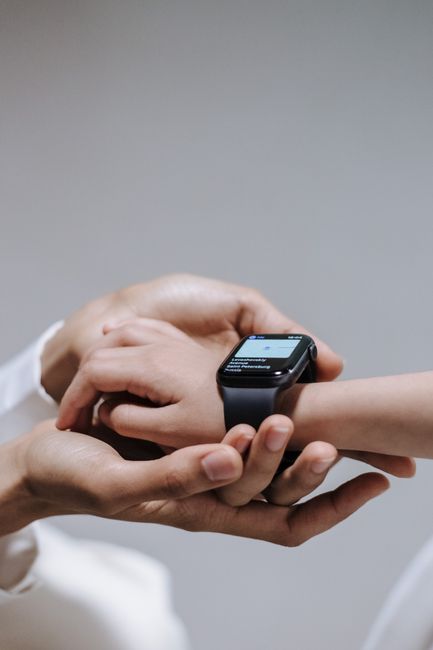
- Uses wearable sensors to track motor function and tremors daily.
- Replaces memory-based doctor visits with objective data logs.
- Reduces the margin of error in medication adjustment timing.
- Faces challenges regarding data privacy and the burden of constant self-monitoring.
How do wearable sensors for Parkinson's improve accuracy?
Patrick McEnroe manages his health by using digital tracking tools to monitor Parkinson's symptoms through objective data rather than memory. He relies on wearable sensors that record motor functions throughout the day, creating a precise timeline of his physical state. This approach allows his medical team to see exactly when symptoms fluctuate, which is often difficult to explain during a standard fifteen-minute office visit. By removing the guesswork from his care, he provides his physicians with a reliable map of his condition. It is a shift from reactive check-ins to a proactive, data-informed lifestyle. And this strategy helps him maintain his daily routine while ensuring his treatment plans stay as accurate as possible.
Why are digital health tools changing patient outcomes?
The system functions by syncing wearable devices to a mobile application that logs movement patterns. These devices measure frequency and intensity of tremors, which are then uploaded to a secure dashboard for his doctors to review. When a patient arrives at a clinic, they often struggle to describe their symptoms accurately because the most severe episodes happen at home. But with this system, the doctor views a digital log covering the weeks between visits. The software highlights patterns that might suggest a need for a medication adjustment. So, instead of relying on subjective feelings, the patient and doctor look at the same graph to make decisions. It simplifies the conversation significantly. However, this process requires daily discipline and the technical ability to manage the device syncs.
How does symptom monitoring improve Parkinson's clinical visits?
Using technology for health management is not without its downsides. One major hurdle is the cognitive load of constant monitoring, as patients must remember to wear and charge their devices consistently. If the data isn't recorded, the medical record remains incomplete, which can lead to gaps in care. Privacy remains another significant concern for users who worry about who controls their health statistics. Data breaches or unauthorized sharing of sensitive medical information keep many people wary of connected health tools. Furthermore, the reliance on an app means that technical bugs or connectivity issues can prevent a user from getting the help they need. Balancing the benefit of better data against the stress of constant digital tracking is a personal choice.
Why transition to data-driven Parkinson's disease management?
Modern medicine often struggles with the gap between office visits. A doctor might only see a patient for two hours a year, leaving 8,758 hours of health status unaccounted for. Patrick McEnroe’s use of health tech fills this void by providing a longitudinal view of his physical condition. It allows for faster medication titration, which is vital for conditions where timing is everything. When a patient can provide their doctor with specific timestamps for their symptoms, the medical team can work with precision. It turns a guessing game into a structured science project. And for many, this level of clarity is the difference between feeling lost and feeling in control.
Frequently asked questions
Wearable sensors utilize accelerometers and gyroscopes to quantify motor symptoms like tremors, gait patterns, and bradykinesia, converting physical movement into objective data points for analysis.
Yes, technology enables more precise medication adjustments by providing neurologists with continuous, real-world data, moving beyond the limitations of subjective patient recall during brief office visits.
Remote monitoring captures symptom fluctuations throughout the day, reduces the burden of frequent travel, and helps clinicians identify specific patterns or triggers that might be missed during standard clinical exams.