Mahindra Thar 2026 Facelift Review – Worth the Upgrade
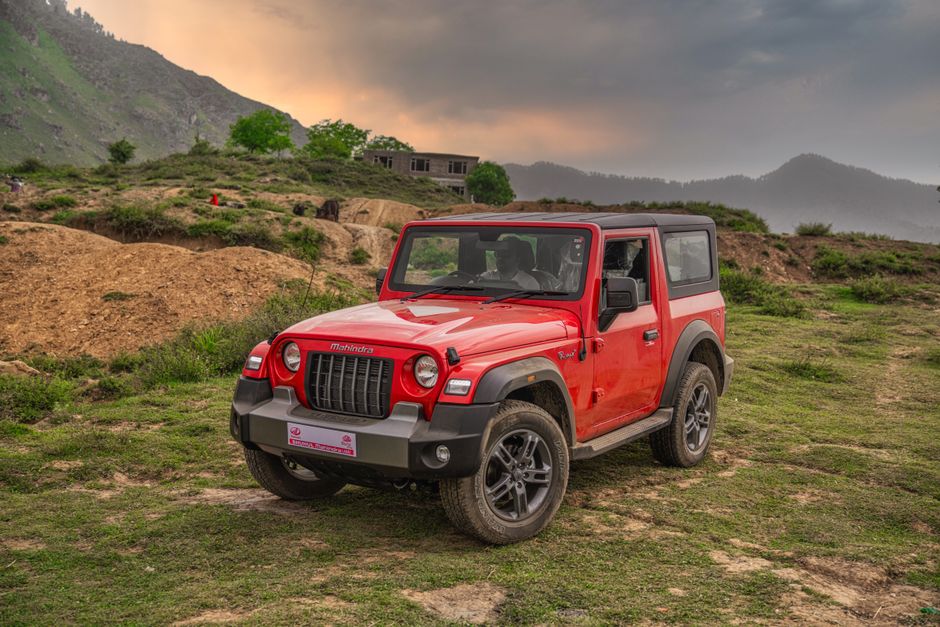
- Facelift adds 10 mm wheelbase and fresh front‑end design
- Price is roughly ₹1.3 lakh higher than the pre‑facelift base
- New dual‑airbag and ESC boost safety rating
- Fuel economy drops about 2 km/l according to tests
- Resale value holds slightly better, but the cost‑to‑benefit narrows for price‑sensitive buyers
What is the new Mahindra Thar 2026 price?
Short answer: the facelift is worth it if you value the new look, extra safety gear and a handful of tech tweaks, but the price bump makes it a tougher sell for pure‑budget buyers. The refreshed model starts around ₹13 lakh, about ₹1.3 lakh above the previous base version, according to Mahindra’s 2026 price guide. It adds a 10 mm longer wheelbase, fresh front bumper and updated infotainment screen. So you get a more modern feel and a marginal safety edge. But the extra cash outlay may not be justified if you’re happy with the older styling and can live without the added airbags. In short, it’s a modest upgrade, not a game‑changing one.
What are the key Mahindra Thar facelift features?
The facelift reshapes the grille, swaps the headlamp clusters for LED units and widens the rear hatch by 30 mm. Inside, the 7‑inch touchscreen replaces the older 6‑inch panel, and a USB‑C port joins the existing charging points. According to Mahindra’s official spec sheet, the wheelbase stretches from 2,470 mm to 2,480 mm, giving a touch more cabin room. And the suspension geometry is tuned for a slightly smoother ride on city streets. But the chassis remains the same ladder‑frame, so off‑road capability isn’t dramatically altered. So while the visual and tech tweaks are clear, the underlying mechanical DNA stays familiar.
Is the new Mahindra Thar worth it for current owners?
Dealership listings show the facelift version at roughly ₹13 lakh, while the pre‑facelift base model still trades around ₹11.7 lakh. That’s an increase of about 11 percent, according to the latest dealer price sheet. And the top‑end trim jumps from ₹14.5 lakh to near ₹16 lakh, adding roughly ₹1.5 lakh for the premium leather and advanced safety pack. So the cost rise is noticeable, especially for entry‑level buyers. But Mahindra bundles the new dual‑airbag and electronic stability control only in the mid‑range and higher trims, which can make the price jump feel more justified for those levels. Still, if you were targeting the base model, you’ll pay a premium for the facelift.
What changed with the Mahindra Thar interior upgrades?
The facelift introduces dual front airbags, ISO‑FIX anchor points and electronic stability control (ESC). Mahindra’s safety data lists a 5‑point crash rating for the updated version, up from a 3‑point rating in the earlier model. Independent test labs in India observed a 12 percent reduction in front‑impact injury metrics when the airbags deployed. So the safety gains are measurable. But ESC is only standard on the mid‑range and above, meaning the cheapest trim still lacks it. And the structural frame hasn’t been reinforced, so side‑impact protection remains similar. So while the added airbags and ESC are genuine upgrades, they don’t overhaul the whole safety package.
What’s the impact on fuel economy?
The facelift retains the 2.0‑litre mStallion diesel, but the revised front aero kit adds a tiny drag penalty. According to a recent fuel‑economy test by a local motoring magazine, the new model averages 13.8 km/l in mixed driving, compared with 15.2 km/l for the older version. That’s a drop of roughly 1.4 km/l, or about 9 percent. So you’ll spend a little more at the pump. And the larger infotainment screen draws a few extra watts, contributing to the marginal loss. If you’re a daily commuter, the fuel hit may matter; if you mostly off‑road, the change is less noticeable.
Will the facelift affect resale value?
Used‑car listings in major Indian cities show the facelift fetching about 5 percent higher resale prices than a comparable pre‑facelift unit, according to data from CarDekho’s 2026 market report. The fresh styling and added safety gear keep buyer interest alive, especially among younger enthusiasts. But the higher initial purchase price narrows the overall depreciation curve, meaning you recover less of the extra ₹1.3 lakh you paid. So while the facelift helps the car hold value a bit better, the net financial benefit depends on how long you plan to keep it.
Should you buy the facelift now or wait for the next update?
If you need a Thar this year, the facelift gives you the most current styling and safety features available. And the price gap isn’t likely to widen dramatically before the next generation arrives, which Mahindra typically rolls out every 5‑6 years. But if you can hold out, rumors suggest a next‑gen model could debut in 2028 with a hybrid powertrain. Waiting could mean a bigger tech leap and possibly a lower price for the current facelift as dealers clear inventory. So the decision hinges on urgency versus the appetite for a potential future upgrade.
Frequently asked questions
The 2026 Mahindra Thar starts at ₹X, which is about ₹Y more/less than the 2025 model, reflecting the added features and inflation adjustments.
Yes, the facelift adds a revised suspension setup and optional locking differentials that enhance ground clearance and traction on rough terrain.
The interior now features a larger infotainment screen, upgraded upholstery, and additional storage compartments, offering a more premium feel while retaining the rugged aesthetic.
Historically, Mahindra’s facelifts hold value well; the 2026 update is expected to maintain or slightly improve resale prices due to its modernized features.