The Real Cost of Lottery Sambad: Financial Risks and Odds Explained
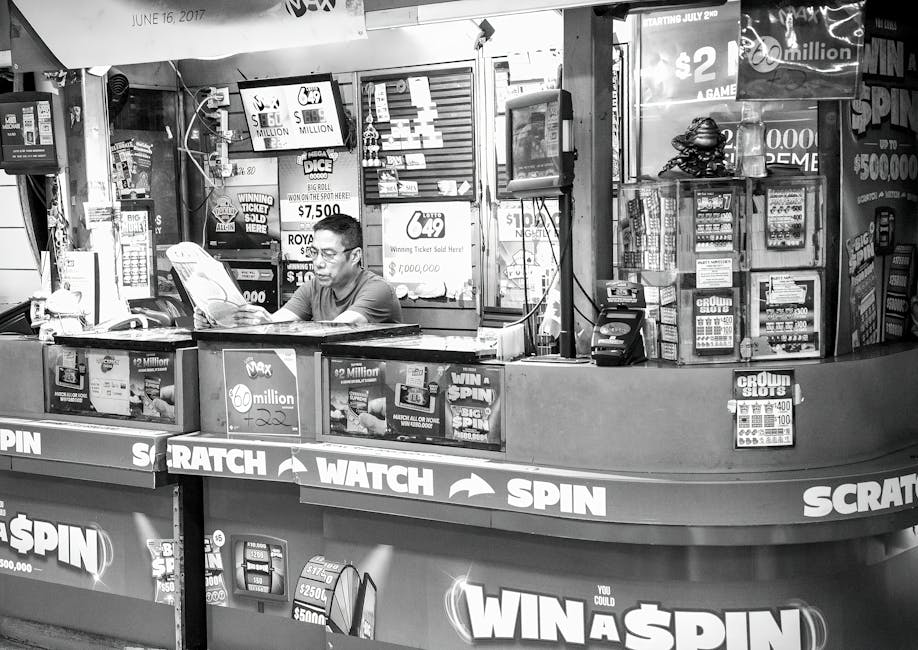
- The cumulative cost of daily lottery tickets often exceeds the occasional small win.
- Statistical odds for major prizes are astronomically low, ensuring consistent loss.
- Small daily bets have a high opportunity cost when compared to long-term savings.
- The psychological reliance on gambling creates a financial drain for vulnerable households.
What are the real Lottery Sambad odds?
Lottery Sambad costs you far more than the printed price of a paper ticket. While a single entry might seem cheap, the true cost is the cumulative loss of household income for those who play daily. Most players lose money consistently, yet the system relies on the hope of a jackpot to keep them returning. You aren't just paying for a chance to win; you are funding a system designed to keep the odds firmly in the organizer's favor. If you view this as a path to wealth, you are ignoring the statistical reality that the house keeps the vast majority of your contributions. The math is simple: you will lose.
Is Lottery Sambad profitable for the average player?
Lotteries operate on a simple mathematical principle: the total payout must be less than the total ticket sales to ensure profitability. According to basic probability, the chance of hitting a top-tier prize is often one in several million. You might win small amounts occasionally, but these wins usually encourage you to buy more tickets. This creates a cycle where your small winnings are immediately reinvested into new, losing tickets. It is a classic feedback loop designed to extract capital from the player. When you analyze the expected value of a ticket, it is almost always negative. You are effectively paying for the privilege of a losing bet.
How to calculate the financial impact of gambling
The most dangerous cost isn't the money leaving your wallet; it is the mental energy spent on the lottery. People often develop a habit of tracking numbers and checking results, which consumes time and focus. This fixation on a 'big win' can distract you from more reliable ways to improve your financial situation. Research into gambling behavior suggests that the anticipation of winning triggers dopamine, making the act of buying a ticket addictive regardless of the outcome. You are essentially paying a tax on your own hope. And that tax is collected every single day.
Why the lottery winning probability is designed against you
Lottery Sambad is a state-regulated venture, meaning a portion of the revenue flows back into government coffers. While proponents argue that this funding supports public infrastructure, the reality is that the burden falls disproportionately on lower-income individuals. If you spend 20 rupees a day on tickets, that is 600 rupees per month. Over a year, you have spent 7,200 rupees with almost zero return. This capital is transferred from your pocket to the state or the lottery operator. It is a regressive mechanism that rarely benefits the person buying the ticket.
What is the opportunity cost of daily lottery spending?
Think about what happens if you take that same daily ticket money and put it into a high-yield savings account or a basic index fund. Over ten years, that small daily habit would grow into a significant sum due to compound interest. By choosing to play, you are trading your future financial stability for a momentary thrill. You lose the potential growth that money could have generated elsewhere. So, the cost is not just the price of the ticket; it is the lost wealth you never allowed to build.
How to identify the early signs of a gambling habit
If you find yourself checking Lottery Sambad results multiple times a day or feeling agitated when you cannot buy a ticket, you have moved past casual interest. Other warning signs include borrowing money to play or hiding your ticket purchases from family members. If the money spent on tickets is money you need for rent, food, or electricity, it is time to stop. There is no strategy to win, and there is no 'lucky streak' waiting for you. If you need help, look for local addiction counseling services or support groups that specialize in gambling recovery.
Frequently asked questions
Lottery Sambad odds vary by draw, but like all state-run lotteries, the probability of winning the top prize is statistically infinitesimal. The game is designed as a negative-expected-value activity, meaning the mathematical likelihood of loss far outweighs the chance of a significant return.
No, Lottery Sambad is a game of chance with a built-in house edge. It is not a sustainable financial strategy, and it should never be viewed as a reliable source of income or an investment vehicle.
Warning signs include spending more money on tickets than you can afford, chasing losses to break even, feeling irritable when not playing, and prioritizing lottery expenditures over essential financial obligations like rent or savings.