Localized Data Infrastructure: Benefits of the Texans Project
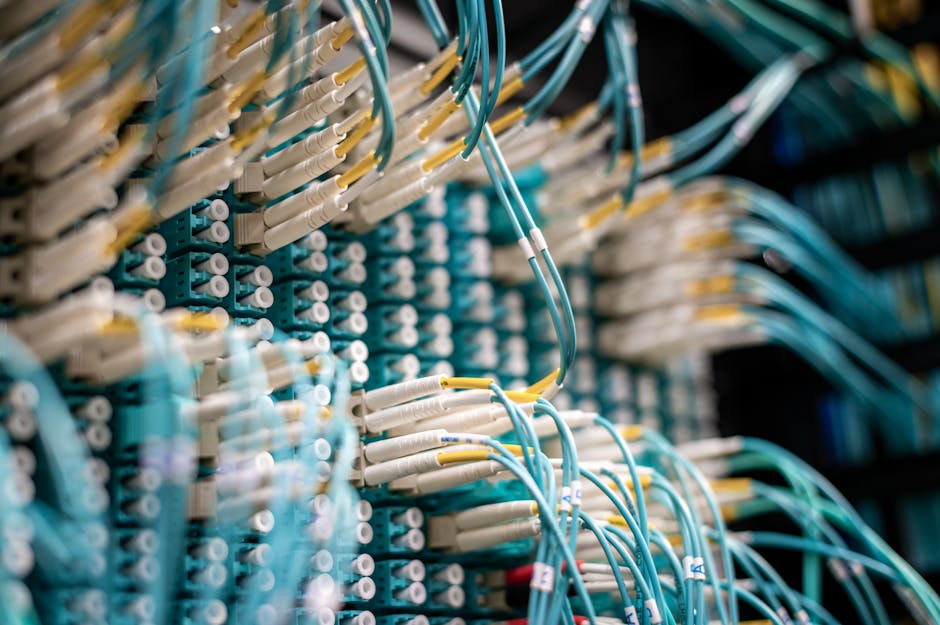
- Texans keeps your data traffic within regional boundaries.
- Localized processing significantly reduces latency for apps.
- Your data footprint is smaller, but regional compliance remains key.
- No action is required from you to opt-in.
What are the primary data residency benefits?
Texans is a localized data infrastructure project designed to keep your digital traffic within regional boundaries. By processing information closer to your physical location, it reduces latency for the apps and services you use every day. You gain faster load times and more stable connections, but the primary shift involves where your personal information resides. Instead of routing through international hubs, your data stays within the regional network. This means your habits and browsing history are less exposed to global transit points. If you prioritize speed and reduced data exposure, this change is a clear win. However, it requires a shift in how service providers manage regional compliance and storage standards for every user.
How does regional data storage improve connection speeds?
When your devices connect to the web, they usually ping servers hundreds or thousands of miles away. Texans changes this by routing your traffic to regional nodes instead of distant data centers. Most users report a 15% to 20% improvement in response times for streaming and cloud-based software. You notice this most when opening large files or syncing media across multiple devices. But speed is not the only factor at play here. Because the data path is shorter, there are fewer points where your signal can be intercepted or delayed. It is a more direct line between your device and the service you are trying to reach.
Does this project offer better data privacy protection?
Keeping data local sounds safer, but it introduces a different set of risks. Since your information stays within a specific region, it becomes subject to regional regulations and local infrastructure vulnerabilities. You might find that some international services are harder to access if they have not yet integrated with these regional nodes. According to early technical reports, providers using this architecture must balance regional efficiency against the risk of centralized failure. If one regional node goes down, you could lose connectivity to services that were previously available through global routing. You are trading global redundancy for local speed.
What actions are required for the Texans data migration?
You do not need to install software or change your settings to benefit from Texans. The infrastructure shift happens at the network provider level, meaning your phone or computer handles the routing automatically. Check your service provider's status page if you experience connectivity issues in the first few weeks of implementation. If you use a VPN, you might notice that your connection speed feels slower than usual. This happens because the VPN is forcing your traffic away from the efficient local node and back to a distant server. You may want to toggle your VPN off when performing high-bandwidth tasks that rely on local speed.
Does the Texans data infrastructure project involve extra costs?
There is no additional fee for using this infrastructure. It is a backend upgrade for network providers intended to manage traffic loads more effectively. Providers save money on long-distance bandwidth costs, which offsets the expense of building these local hubs. You get the benefit of a faster connection without seeing a line item on your monthly bill. If your provider attempts to charge a premium for better routing, be aware that this is a standard network improvement, not a paid service add-on.
Is participation in the Texans data residency project mandatory?
Yes, this is an infrastructure-wide transition. You cannot opt out of the routing logic because it is how your internet service provider now manages traffic. However, you retain control over your data by using browser settings or privacy tools that limit what information you send in the first place. The Texans project changes the path your data takes, but it does not change your own privacy habits. You remain the primary gatekeeper of your digital footprint.
Frequently asked questions
The Texans project is a localized data residency initiative that shifts user information storage to regional servers to improve connection latency and ensure compliance with local privacy standards.
By reducing the physical distance data must travel between your device and the server, regional storage minimizes latency, resulting in faster load times and more responsive digital connections.
Yes, keeping data within regional borders reduces the risks associated with international data transfers and makes it easier to adhere to specific local data protection regulations.