Kerala Lottery Odds and Why It Is Not a Sound Financial Investment
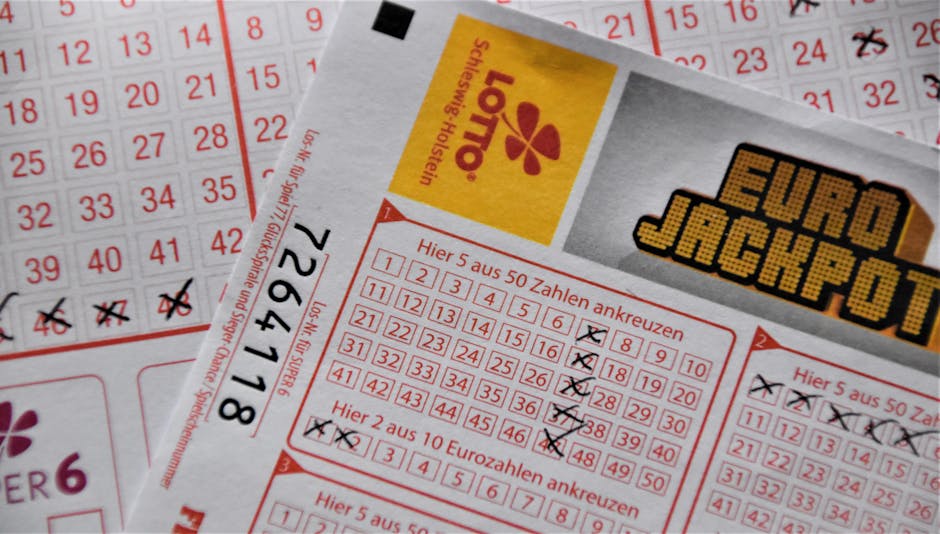
- Mathematical odds are heavily stacked against players.
- Financial returns are lower than standard savings accounts.
- Winning is purely luck-based, not a skill-based investment.
- Digital result checkers are reliable, but cannot change your odds.
What is the actual Kerala lottery winning probability?
No, buying Kerala lottery tickets is a poor financial strategy. If you are looking for a way to grow your wealth, this isn't it. The odds of winning a top-tier prize are statistically negligible, often hovering in the millions to one. Most players spend more on tickets over time than they ever recoup in winnings. If you play for fun, set a strict budget you can afford to lose completely. But if you think of this as an investment, stop immediately. It is a tax on hope, not a path to financial freedom. Always remember that the house edge is designed to ensure the state government makes money, not the buyer.
Why the Kerala state lottery house edge favors the government
Lotteries operate on a simple principle of probability. The Kerala State Lotteries department prints millions of tickets, but only a tiny fraction contain winning numbers. For the major jackpots, your chance of winning is roughly one in several million. Think of it this way: you are more likely to be struck by lightning than to hit the top prize. Even smaller prizes, which seem easier to win, have odds that make breaking even mathematically unlikely. The payout structure is set so that the total prize pool is always significantly smaller than the total revenue collected from ticket sales.
Is playing the lottery a sound financial investment?
There is no skill involved in picking a winning ticket. Some players believe that choosing numbers based on patterns or past results gives them an edge. This is a cognitive bias known as the gambler’s fallacy. Each draw is an independent event, meaning the machine or the drum has no memory of what happened last week. Whether you buy one ticket or one hundred, your probability of winning remains infinitesimally small. Buying more tickets only increases your total expenditure, which further guarantees that your net return will be negative.
Understanding the financial risk of state lotteries
The cost of a single ticket might seem small, often ranging from 40 to 100 rupees. However, the true cost is the cumulative loss over months or years. If you spend 200 rupees every week, you are out over 10,000 rupees in a single year. That money could have earned interest in a high-yield savings account or bought fractional shares in a low-cost index fund. When you play, you are essentially paying for a few minutes of daydreaming. If you view that cost as entertainment, like buying a movie ticket, that is one thing. If you view it as a financial plan, you are losing money every single day.
Are online results safe to check?
The Kerala State Lotteries department publishes official results on their website, keralalotteries.com. Checking these results online is safe, provided you stick to official government domains. Avoid third-party apps that ask for your personal financial information or bank credentials. Many of these apps are ad-heavy and prone to tracking your behavior for marketing purposes. If you win a small amount, you can usually claim it from an authorized lottery agent. For larger prizes, you must follow the official verification process involving government identification and bank documentation.
What happens if I actually win?
Winning a major prize comes with significant administrative hurdles. You must surrender the original, undamaged ticket to the department within the specified time frame, usually 30 days. The government then deducts a mandatory percentage for taxes and agency commissions before you receive the remainder. This can be as much as 30% or more depending on the tax laws at the time of your win. Do not expect to see the full advertised amount in your bank account. The publicized jackpot is almost always a gross figure, not the net amount you will take home.
Frequently asked questions
The odds of winning the top prize in Kerala State Lotteries are statistically extremely low, often exceeding 1 in several million, depending on the specific ticket series and draw volume.
No, the lottery is a form of gambling with a significant house edge. It is not considered a sound financial investment strategy for long-term wealth accumulation or retirement planning.
The house edge is the mathematical advantage the government maintains by ensuring that the total prize payout is significantly lower than the total revenue generated from ticket sales.