Is ICC Membership Worth It for Your Business?
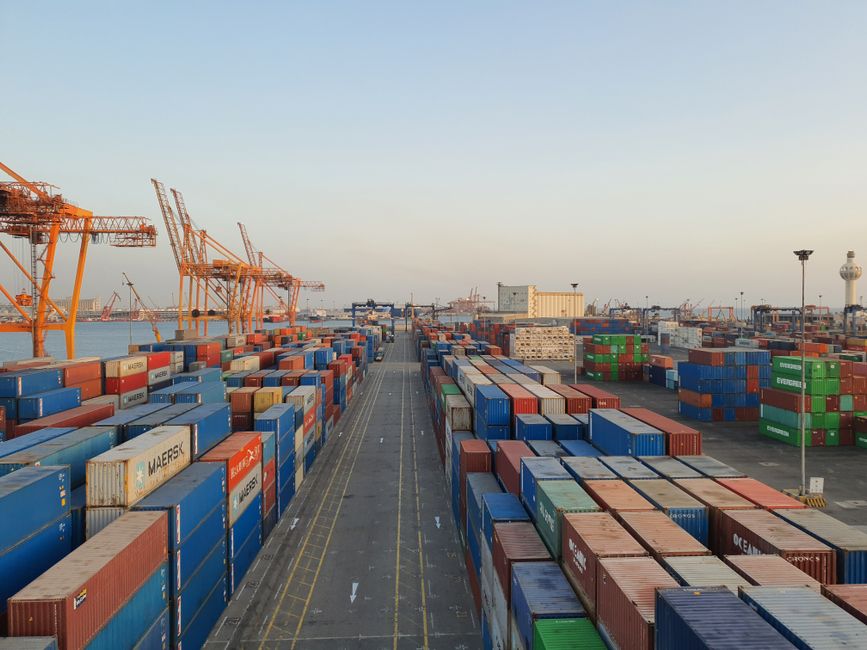
- Incoterms are free to use and do not require ICC membership.
- ICC membership provides access to arbitration services and policy influence.
- Small businesses rarely benefit from membership costs.
- Always specify the version year when using Incoterms in contracts.
Do you need ICC membership for Incoterms for international trade?
For most businesses trading across borders, the International Chamber of Commerce (ICC) is worth it, but primarily for the standardized rules it provides rather than the membership itself. You don't need to join the ICC to use Incoterms, which are the industry-standard rules for international trade. If your goal is simply to define shipping responsibilities in a contract, you can access these rules for free through various online guides or legal resources. But if your firm handles massive, complex cross-border disputes or requires formal arbitration services, the ICC is the global leader. It costs thousands of dollars to join, so assess your specific need for dispute resolution before committing to a membership fee. Ultimately, the rules are essential, but the membership is likely optional for smaller players.
When are ICC arbitration services necessary?
The ICC serves as the global voice for business, creating the rules that govern how goods move across borders. Most notably, they maintain the Incoterms rules, which define where a seller’s responsibility ends and a buyer’s begins during transit. Without these definitions, global trade would devolve into a chaotic mess of regional regulations. According to their own documentation, the ICC also hosts the world’s most preferred arbitration court. This court handles thousands of international commercial disputes annually. If you find yourself in a disagreement with a supplier in a different jurisdiction, the ICC provides a neutral forum to settle the matter. It isn't just a trade association; it acts as a private judiciary for global commerce.
What are the primary functions of International Chamber of Commerce rules?
Using Incoterms removes ambiguity from your sales contracts. When you specify a term like FOB or DDP, both parties understand who pays for insurance, who handles customs clearance, and where the risk of loss transfers. This clarity prevents expensive delays at ports or surprise fees on your invoices. A company that ignores these standards often ends up paying for shipping costs they never agreed to cover. You can find the full list of current Incoterms definitions on their website without paying a cent. Using these codes properly is the most effective way to protect your margins during transit. Just ensure both parties cite the version year, such as Incoterms 2020, to avoid confusion.
Is business dispute resolution worth the cost?
The primary downside is the risk of misinterpretation. Even with standardized rules, parties often apply them incorrectly or fail to account for local tax laws. An ICC term defines shipping risk, but it does not override local customs or tax requirements. If you rely solely on these rules without a solid contract, you may lack legal recourse in specific countries. Some jurisdictions do not fully recognize ICC arbitration awards as binding. This can lead to lengthy enforcement battles that cost far more than the original shipping dispute. Always consult a local trade attorney before assuming an ICC term protects your specific business interests in a new market.
Who should pay for ICC membership?
Large multinationals and law firms benefit most from formal ICC membership. By joining, these entities gain influence over the development of future trade rules and secure better access to networking events. The annual fees vary by country and company size, often ranging from several hundred to several thousand dollars. If you are a small business owner, the cost rarely justifies the return. You can access the essential rulebooks and attend public seminars without being a member. Only pay for membership if you require active participation in global policy discussions or need priority access to the ICC Court of Arbitration. Otherwise, save your budget for actual legal counsel.
How do ICC standards compare to domestic terms?
Domestic shipping terms often lack the rigor of international standards. While local couriers might use simple delivered terms, ICC Incoterms cover complex transitions like terminal handling and export documentation. Domestic terms are usually shorter and easier to understand, but they leave too much room for interpretation in international transit. A domestic contract might cost nothing to draft, but it could end up being ten times more expensive if a dispute arises. Always default to ICC standards when crossing borders. Mixing domestic terminology into an international shipment is a common mistake that leads to significant financial loss. Keep your language precise to protect your bottom line.
Frequently asked questions
No, you do not need to be an ICC member to use Incoterms. Incoterms are global standards available for any business to incorporate into their contracts, regardless of membership status.
ICC membership provides access to exclusive networking, policy advocacy, specialized training, and discounted rates on ICC publications and dispute resolution services.
ICC arbitration is not mandatory unless both parties have explicitly agreed to an ICC arbitration clause in their commercial contract.
ICC membership fees vary significantly depending on your country of residence and the size of your business, as membership is managed through local national committees.