How to Protect Your Investment Portfolio During Geopolitical Conflict
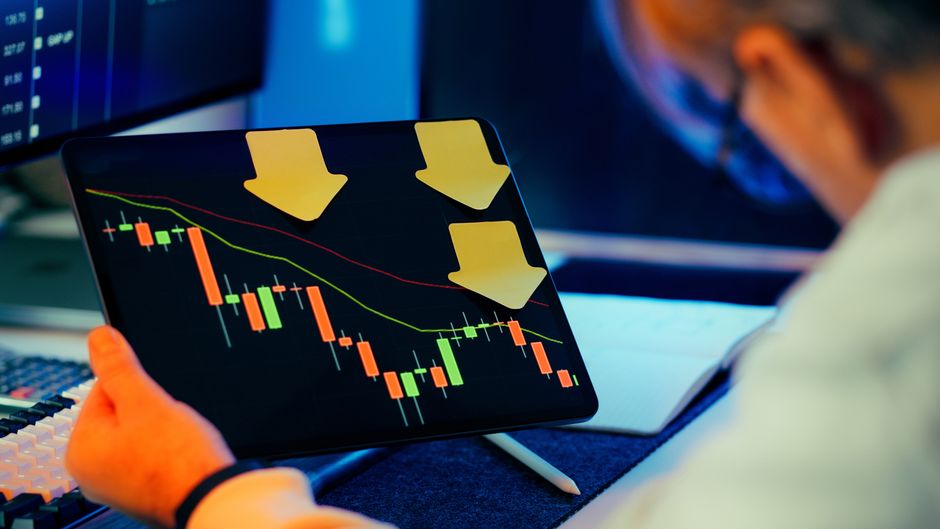
- Panic selling during geopolitical shocks often locks in avoidable losses.
- Chasing energy stocks during conflict spikes usually leads to buying at the peak.
- Gold is not a guaranteed safe haven and should remain a small portfolio portion.
- Rebalancing during market dips is more effective than trying to time the war.
How to Manage Geopolitical Risk in Your Investment Portfolio
The biggest mistake investors make during the Israel-Iran conflict is reacting to headlines with immediate, emotional trades. History shows that markets often overreact to initial geopolitical shocks, but they frequently recover once the initial uncertainty fades. If you sell your holdings now, you risk locking in temporary losses that you could have avoided by staying the course. Focus on your long-term goals instead of the daily volatility. Most successful portfolios survive regional conflicts by maintaining a diversified asset mix rather than trying to time the market based on war reports. Your goal shouldn't be to predict the next strike, but to ensure your financial plan remains resilient against short-term noise. Keep your eyes on the horizon, not the ticker tape.
Should You Sell Stocks During Geopolitical Market Volatility?
Many investors rush into energy companies when tensions rise in the Middle East. However, energy prices often bake in geopolitical risk long before a conflict escalates. If you buy at the peak, you are paying a premium for a commodity that could drop rapidly if tensions de-escalate. Stick to your existing energy exposure if it fits your plan. Trying to play the short-term swing is a losing game for most retail investors. According to historical market data, energy sector volatility often hits its highest point during the first few days of a conflict. Jumping in after the news breaks is usually too late to capture the upside.
Why Long-Term Investment Strategies Outperform Market Timing
Gold often jumps when conflict headlines hit the wire, but it is not a guaranteed hedge. During past geopolitical flare-ups, gold prices have shown extreme volatility without providing a consistent buffer against equity market drops. Remember that gold pays no dividends and holds no inherent cash flow. If you own it, keep your allocation under 5% of your total portfolio. Relying on it as a primary defense during an Israel-Iran conflict is a dangerous strategy. Diversification across asset classes remains a more proven way to manage your overall risk exposure.
How to Rebalance Your Investment Portfolio During Crises
Instead of panic selling, use market dips as a chance to rebalance your holdings. If your equity allocation dropped below your target, use this time to buy high-quality assets at lower prices. This systematic approach forces you to buy low and sell high without needing to guess the outcome of the war. Consult your brokerage statement to see your current asset breakdown. You want to align your risk with your long-term timeline, not the morning news cycle. Discipline here is what separates a successful investor from a speculator.
Where to Find Reliable and Objective Market Data
Avoid social media feeds which amplify fear and speculation. Look for reports from major financial institutions or government agencies that track global trade routes and oil supply chains. Bloomberg or the International Energy Agency provide data on market impacts rather than war rhetoric. Cross-reference these reports with your own risk tolerance levels. If a source offers a prediction on the war's outcome, stop reading it immediately. Stick to raw data regarding supply disruptions and interest rate impacts.
What Are the Risks of Inaction During Market Uncertainty?
The main downside of staying the course is short-term discomfort as your account balance fluctuates. You might watch your portfolio drop in value over a few weeks or even months. This requires a level of stoicism that most people find difficult. However, the alternative—selling out—is almost always worse because you must time your re-entry perfectly. You rarely get that right. Accept the volatility as the cost of long-term wealth building, and keep your focus on the years ahead.
Frequently asked questions
Historically, markets often experience short-term volatility during geopolitical conflicts, but they frequently recover as investors adjust to new information and economic realities.
Selling based on fear often leads to locking in losses. Maintaining a long-term perspective and sticking to your original investment thesis is generally more effective than reactive trading.
Geopolitical events can cause broad market fluctuations, impacting major indices. However, index funds provide diversification that helps mitigate the impact of volatility compared to holding individual stocks.