Inter Miami Business Strategy: How Messi and Infrastructure Drove Growth

- Marquee player acquisitions fundamentally shifted the club's profile.
- Stadium demand rose significantly following roster investments.
- Higher ticket prices reflect the club's transition to a premium brand.
- The team's strategy changed how other MLS clubs view growth.
How does the Inter Miami marketing strategy drive ticket sales?
Inter Miami transformed from a struggling expansion team into a global sports brand by prioritizing high-profile talent and infrastructure development. The club moved from fighting for relevance to consistently selling out matches. This shift matters because it created a new template for Major League Soccer teams to use star power for commercial success. It changed the league's reputation from a quiet retirement destination into a competitive, high-stakes hub. By landing world-class players, the organization forced a massive reassessment of how soccer clubs in the United States could generate revenue. The focus moved from long-term organic growth to immediate, impact-heavy investments that draw global attention and spike ticket demand.
What defines the club’s approach to MLS commercial success?
The club’s management realized that winning matches alone was not enough to capture the Miami market. They needed household names to anchor the project. According to club press releases, the strategy prioritized bringing in veteran players with established international reputations to build an instant identity. But this approach created a reliance on specific personalities to drive engagement. It worked, as attendance figures surged, but it left the team vulnerable to injury or retirement cycles. Other teams now analyze this model to see if they can replicate the buzz without the same financial burden.
How do high-profile signings influence soccer club revenue growth?
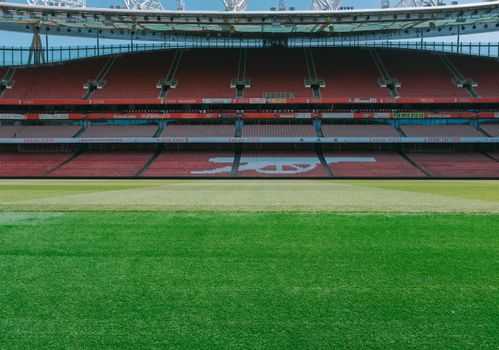
Attendance numbers are the clearest indicator of the club's success. In the early days, the stands often featured empty rows and cheaper entry points. Now, the stadium consistently hits capacity for nearly every home match. This change forced the organization to rethink its venue logistics and security protocols to accommodate larger crowds. It also turned the stadium into a tourist destination rather than just a local sports venue. Fans now travel from across the country, which keeps hotels and local businesses busy during game weeks.
How has Inter Miami’s rapid growth impacted ticket prices for fans?
Success comes with a price, and for Inter Miami fans, that price is literal. Ticket costs have climbed steadily as the team gained popularity. In some sections, prices are now triple what they were when the club first launched. This creates a barrier for long-term supporters who feel priced out by the influx of casual fans and tourists. The club has effectively traded a smaller, dedicated local base for a broader, more affluent audience. It is a common trend in sports, but it remains a point of frustration for the original supporters.
What are the long-term trade-offs of Inter Miami’s rapid expansion?
Building a team around stars brings pressure to perform every single week. When those stars are unavailable, the team often struggles to maintain the same level of intensity or results. Critics point out that this reliance on individual brilliance can overshadow the development of local youth prospects. It creates a 'win-now' culture that discourages patience. If the big names leave, the club faces a difficult task in sustaining its current momentum. Balancing short-term excitement with long-term stability is the biggest challenge the front office faces.
How does Inter Miami track and report key club performance metrics?
You can monitor the team's progress through the official MLS website or major sports news aggregators. Check the league standings and player availability reports if you want to track how the roster rotation affects match results. Look for official club statements on social media channels to get the most accurate information on ticket releases and stadium updates. Avoid relying on unofficial rumors, as the club’s high profile often leads to significant speculation. Stick to verified sources for official injury news and lineup changes.
Frequently asked questions
Inter Miami generates revenue through a combination of match-day ticket sales, high-profile player merchandise, MLS broadcast rights, and lucrative global sponsorship deals.
Yes, Messi’s arrival shifted the club from a local team to a global media entity, significantly increasing franchise valuation, jersey sales, and international commercial partnerships.
While specific private financial data is not public, the club has experienced record-breaking revenue growth since 2023, driven by increased stadium attendance and expanded commercial reach.