Police Stops: Know Your Rights and How to Stay Safe
- Keep your hands visible at all times to avoid triggering suspicion.
- Politely but firmly state that you do not consent to any searches.
- You have the right to remain silent; use it if you feel uneasy.
- Always ask if you are free to leave before walking away.
What are your police interaction rights?
The best way to handle a police encounter is to remain calm, keep your hands visible, and clearly state your rights without being aggressive. You should avoid sudden movements, which can be misinterpreted as threats or attempts to reach for a weapon. When asked for identification, provide it slowly and clearly. But if an officer asks to search your property, you have the legal right to say "no." It is vital to remember that arguing on the side of the road rarely changes an officer’s mind. Instead, document the interaction afterward and address any concerns through formal legal channels. By keeping your cool and knowing when to stay silent, you significantly reduce the risk of a situation escalating into something worse.
What to do if pulled over by police?
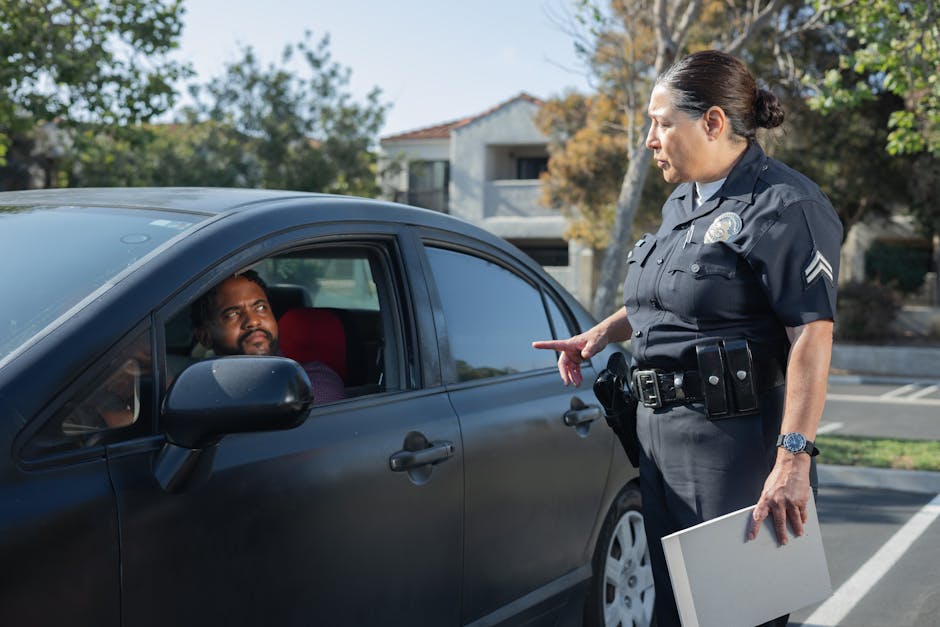
Pull over safely as soon as you see lights, ideally in a well-lit area. Once stopped, turn off your engine, turn on the interior lights, and place your hands on the steering wheel where they are easily seen. Don't reach into your glove box or under the seat until you are asked to do so. If you have passengers, ask them to keep their hands visible as well. An officer may approach the window and ask for your license, registration, and proof of insurance. Provide these documents calmly. If the officer asks you to step out of the vehicle, comply promptly to avoid being charged with obstruction. It is a common mistake to argue about the legality of the stop; save that debate for a courtroom.
Why is staying calm critical during a police stop?
You have the right to refuse a search of your person, your car, or your home at any time unless the officer has a warrant or probable cause. If an officer asks, "Do you mind if I take a look around?" you should clearly say, "I do not consent to a search." Do not physically resist if they decide to search anyway. If they proceed without your consent, stay quiet and observe. Their own body camera footage, if available, or your own witness accounts will be the evidence used if you decide to challenge the search later. Remember that your refusal is not an admission of guilt. It is a fundamental protection under the Fourth Amendment.
What are the police search laws for vehicles?
You are generally required to provide your name and identification if asked, but you are not required to answer questions about where you are going or what you are doing. If you feel uncomfortable, you can say, "I would prefer not to answer questions without a lawyer present." This is your right to remain silent. Do not lie to the police, as that can lead to criminal charges regardless of the initial stop. If you are not under arrest, you should ask, "Am I free to go?" If the officer says yes, leave immediately and calmly. Don't linger or try to offer extra explanations.
Can I record the police?
In most public settings, you have a legal right to record police interactions as long as you do not physically interfere with their work. Keep your phone steady and do not get in the way of the officers. If they ask you to step back, do so immediately to ensure you aren't accused of obstruction. Recording provides a objective record of exactly what happened, which is vital if the account of the event is later disputed. Just remember that the recording device itself can be seen as a threat if you hold it too close to an officer's face. Keep a safe distance at all times.
What if I feel my rights were violated?
If you believe an officer acted improperly, do not try to resolve it on the street. Instead, write down as many details as possible as soon as the interaction ends. Note the officer’s name, their badge number, the time of the incident, and any witnesses who were present. Most departments have a formal complaint process managed by an internal affairs division or an independent oversight board. You can also contact a civil rights attorney to discuss your options. Filing a complaint is a formal process that creates a paper trail, which is far more effective than an emotional outburst during the event.
Frequently asked questions
Generally, you have the right to remain silent. While you must provide your driver’s license, registration, and proof of insurance upon request, you are not legally obligated to answer questions about your destination or activities.
Police may search your vehicle without a warrant if they have 'probable cause' to believe it contains evidence of a crime or contraband. They may also conduct a search if you provide clear, voluntary consent.
Yes, you generally have a protected right to record police officers performing their duties in public spaces, provided you do not physically interfere with their work or obstruct their investigation.