Ranger Career Guide
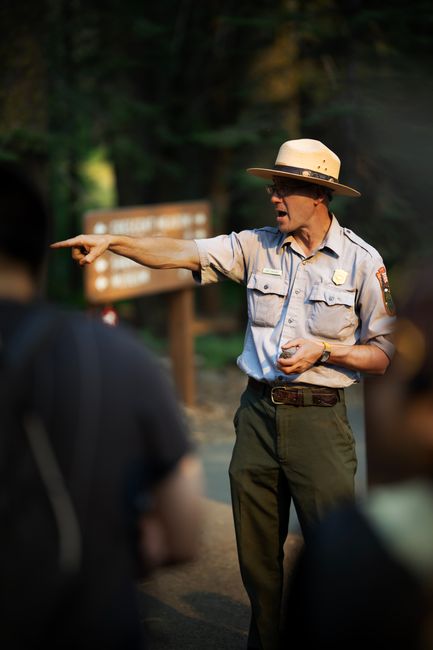
- Research different types of rangers
- Meet the basic requirements
- Get specialized training
What Types of Ranger Jobs Are Available?
A ranger is a professional responsible for managing and protecting natural resources, such as parks, forests, and wildlife. They work to conserve and preserve the environment, enforce laws and regulations, and educate the public about conservation and safety. To become a ranger, follow these steps.
How Do I Become a Forest Ranger?
There are several types of rangers, including park rangers, forest rangers, and wildlife rangers. Research the different types to determine which one is the best fit for you. For example, park rangers work in national and state parks, while forest rangers work in forests and grasslands. According to the National Park Service, there are over 27,000 park rangers in the US.
What Training Is Required to Be a Park Ranger?
To become a ranger, you typically need a bachelor's degree in a field such as environmental science, biology, or natural resources. You'll also need to be physically fit and have a clean driving record. Some rangers may also need to have specialized skills, such as firefighting or emergency medical training. The US Forest Service requires rangers to have a degree and at least 2 years of experience.
What Is the Typical Career Path for a Wildlife Ranger?
Once you've met the basic requirements, you'll need to get specialized training. This can include training in law enforcement, firefighting, and emergency medical response. You may also need to complete a training program, such as the Seasonal Law Enforcement Training Program (SLETP). The SLETP program is 640 hours long and covers topics such as law enforcement procedures and wildlife management.
How Do I Apply for Ranger Positions?
Once you've completed your training, you can apply for ranger positions. You can search for job openings on websites such as USAJobs or the National Park Service website. You'll need to submit an application, resume, and cover letter, and may need to complete a physical fitness test or assessment. The application process can be competitive, so be sure to tailor your application materials to the specific job you're applying for.
Why Is Ongoing Certification and Training Important for Rangers?
As a ranger, you'll need to maintain your certification and training. This can include completing continuing education courses, attending conferences and workshops, and participating in training exercises. The International Association of Wildland Fire requires rangers to complete 20 hours of continuing education every 2 years.
Conclusion
Becoming a ranger requires a combination of education, training, and experience. By following these steps, you can prepare yourself for a career in conservation and wildlife management. Remember to research different types of rangers, meet the basic requirements, and get specialized training to increase your chances of success.
Frequently asked questions
Typically, a bachelor's degree in a field such as environmental science, biology, or natural resources is required to become a ranger.
The time it takes to become a park ranger can vary, but typically involves 2-4 years of education and 1-2 years of training or experience.
Successful wildlife rangers typically possess skills such as knowledge of wildlife biology, conservation principles, and outdoor skills, as well as strong communication and interpersonal skills.